All Science
 Manhattanhenge marks sun's alignment with the street gridTuesday night marks the second and final Manhattanhenge of 2016, as the sun aligns perfectly with Manhattan's east-west street grid.
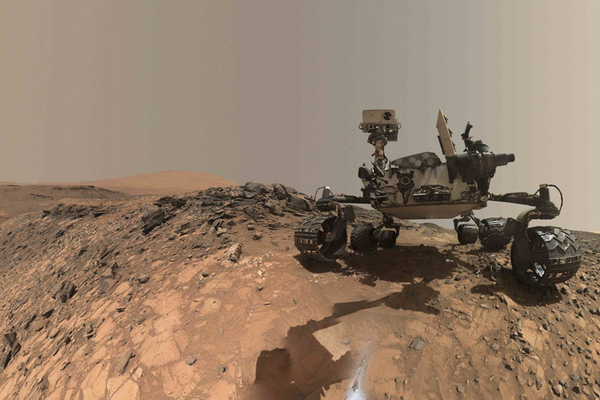 First LookMystery solved: Mars rover Curiosity back to workCuriosity is back in action. The Mars rover went into a partial shutdown last week, and stopped communicating with Earth.
 What can we learn from 'untranslatable' words?A British researcher is tracking words related to positive psychology but considered 'untranslatable' into English, hoping they can shed light on wellbeing.
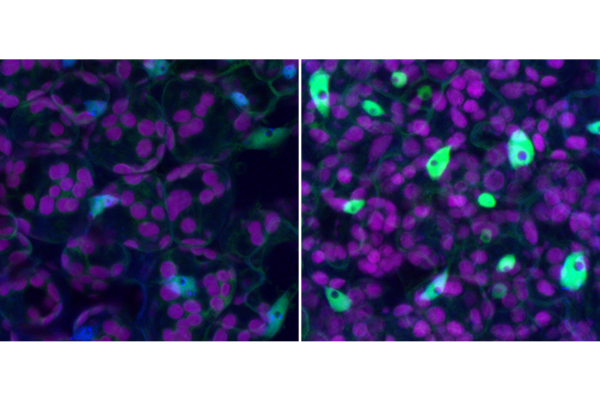 How built-in sunblock shields plants from harmful radiationResearchers at the University of Geneva demonstrated how a network of proteins protect plant cells from harmful UV rays.
 Instead of hunt, Florida bear-proofs its trashThe Florida Fish and Wildlife Conservation Commission is looking for ways to curb the dramatic increase in human-bear encounters without another controversial black bear hunt.聽
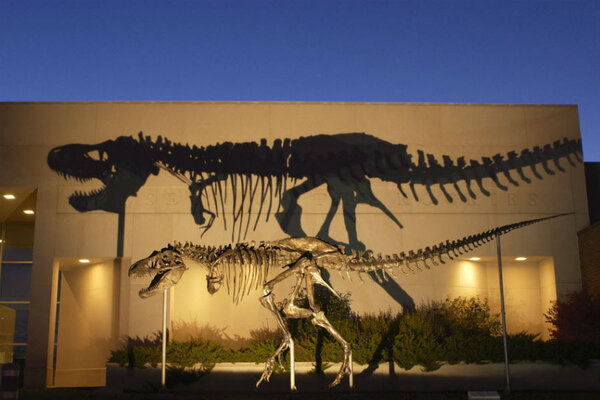 Did dinosaurs really roar? Probably not, say scientists.New research suggests that some dinosaurs may have sounded more like ostriches than ferocious monsters.聽
 How climate change is altering Earth鈥檚 cloud coverShifting cloud patterns bear the hallmarks of a warming world, and will likely contribute to global warming going forward.
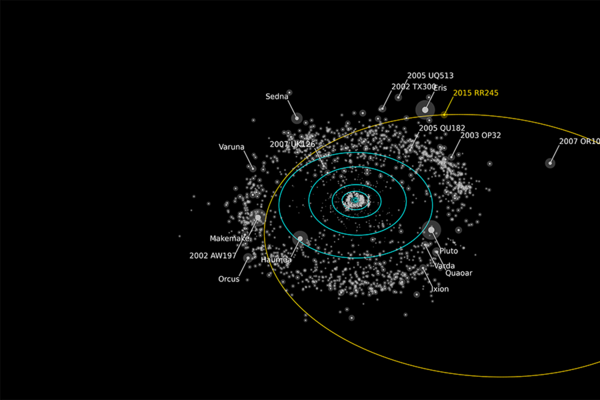 First LookBeyond Neptune and Pluto, a new dwarf planetAn international team of astronomers has observed a distant dwarf planet, making a 700-year orbit around the sun.
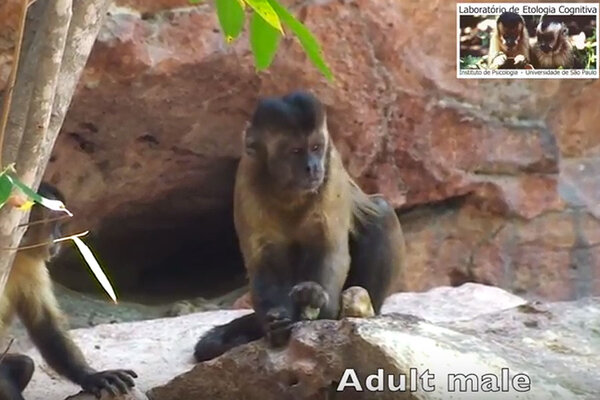 Archaeologists discover 700-year-old evidence of tool use...by monkeysCapuchin monkeys, nicknamed organ-grinder monkeys, are particularly wily nutcrackers in the wild. According to new archaeological research, they have been for 700 years.
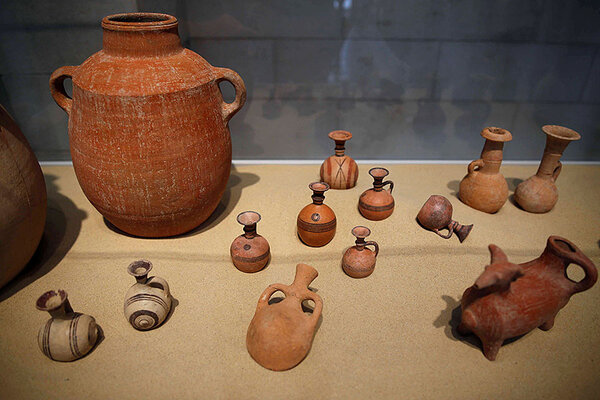 First LookThe Philistines weren't such philistines after all, say archaeologistsArchaeologists have unearthed a 3,000-year-old cemetery in Israel, lending clues to the origins of the ancient seafaring people known as the Philistines.
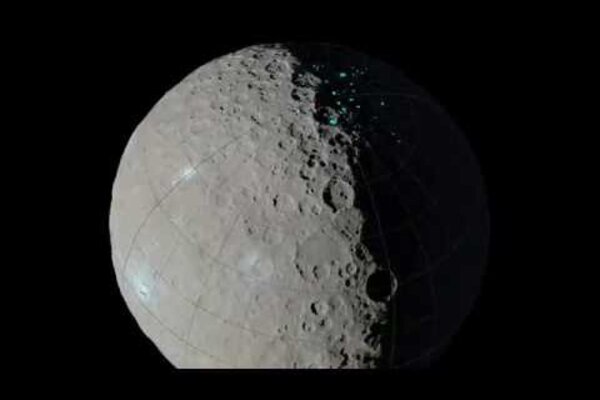 First LookNASA's Dawn space probe maps permanent shadows on CeresResearchers with NASA's Dawn mission have identified regions on the dwarf planet Ceres that are likely to have been cold enough to trap water ice for a billion years.
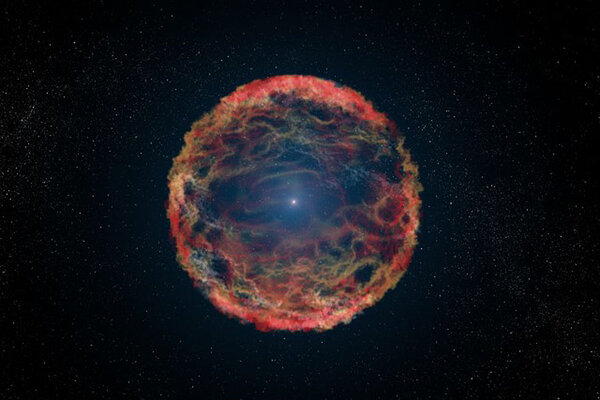 Spectacular supernova may have helped usher in mass extinctionNew research suggests that a distant supernova explosion may have played a role in a mass extinction some 2.59 million years ago.
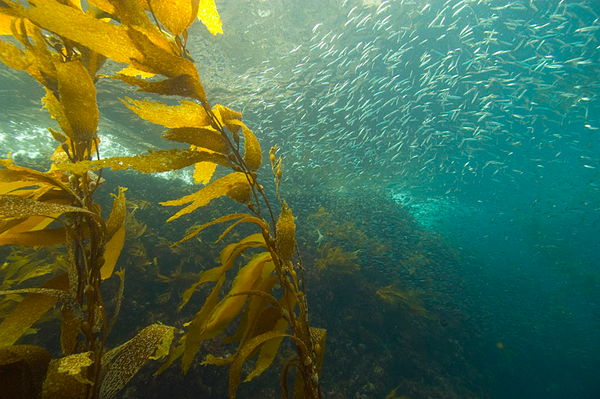 Death of Australia's other great reef a troubling sign for world's kelp forestsA heat wave in 2011 killed 43 percent of kelp along Australia's Southern Great Reef, which stretches more than 1,400 miles.聽
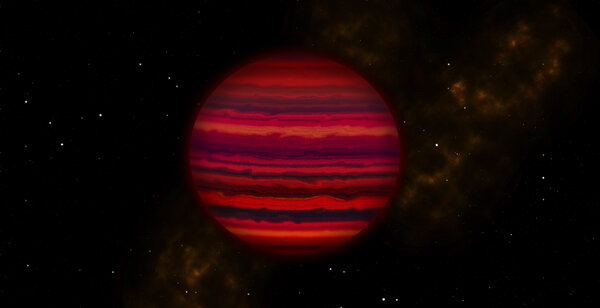 For first time, astronomers find water clouds beyond our solar systemThe coldest brown dwarf known to science has yielded another first: the only water clouds ever discovered beyond our solar system.
 Hubble captures spectacular shot of Crab Nebula's pulsing 'heart'Hubble has captured the Crab Nebula's beating heart in a photograph 鈥撀燼 swiftly spinning neutron star known as a pulsar.聽
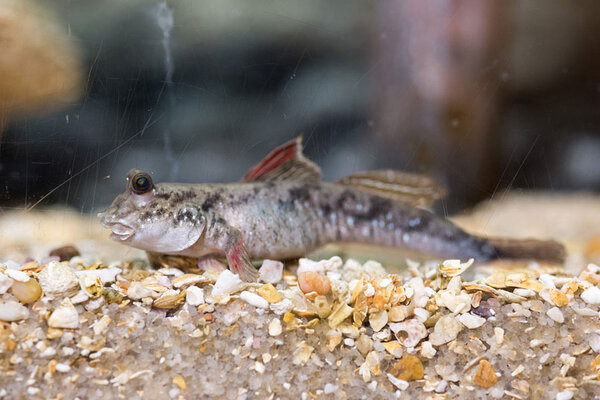 Did early land animals get a leg up by using their tails?Scientists studied a fish that can live on land for insights into the mystery of how vertebrates became terrestrial animals.
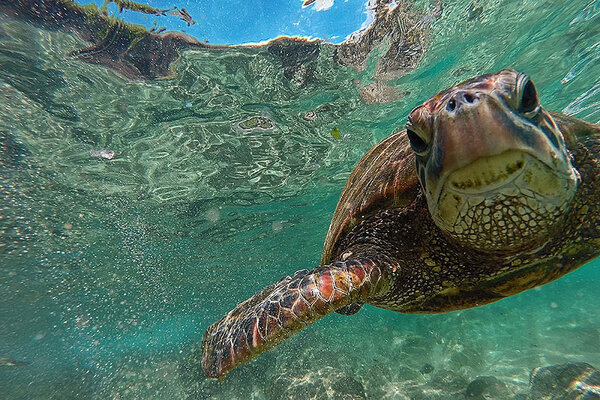 Can you ever have too many turtles?Scientists may have figured out why hordes of turtles on a small tropical island are having such a hard time hatching their eggs.
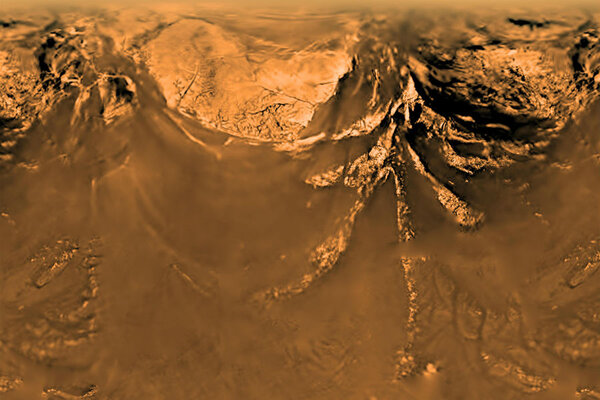 Could Saturn's moon Titan host life, even without water?New research proposes a molecule on Titan's surface whose properties just might make it able to start a pathway to life.
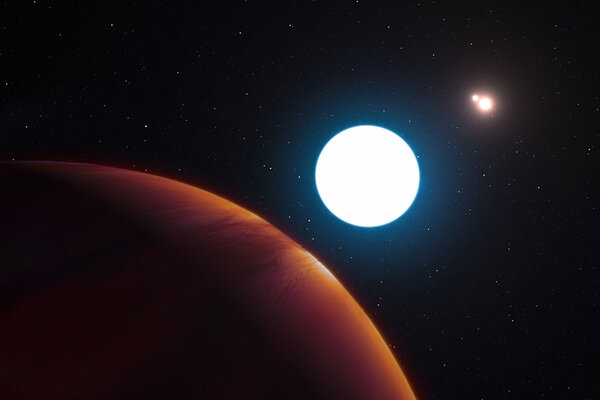 This massive planet has three suns, and that's not all that's weird about itThis exoplanet was an unexpected discovery because it sits in a strange spot in a triple star system.
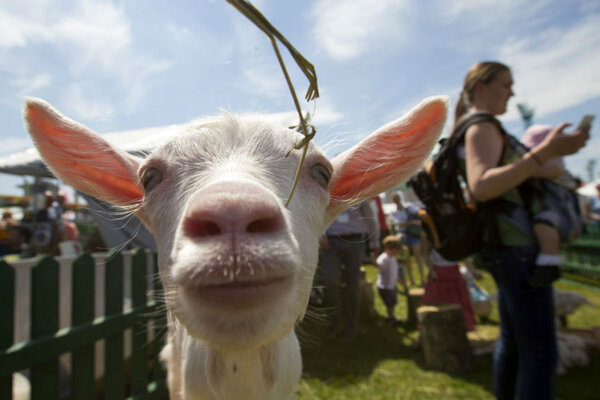 Goats: Man's other best friend?Recent research shows that goats look to humans for help, just like dogs do.聽