All Science
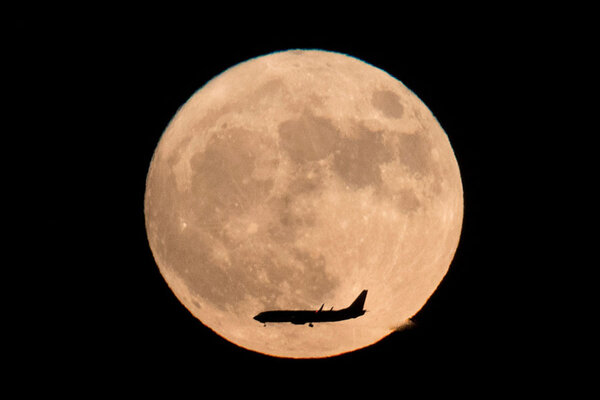
- First Look'Supermoon' to illuminate sky beginning Monday morningThe so-called supermoon is the brightest full moon since 1948.
 MARS: National Geo mini-series journeys into uncharted TV territoryNational Geographic's new 'MARS' miniseries blends documentary and fiction to show the struggles and possibilities of humans living on Mars.聽
 First LookMysterious metal object falls from sky in MyanmarThe big hunk of metal crashed into a local jade mine, frightening locals.聽
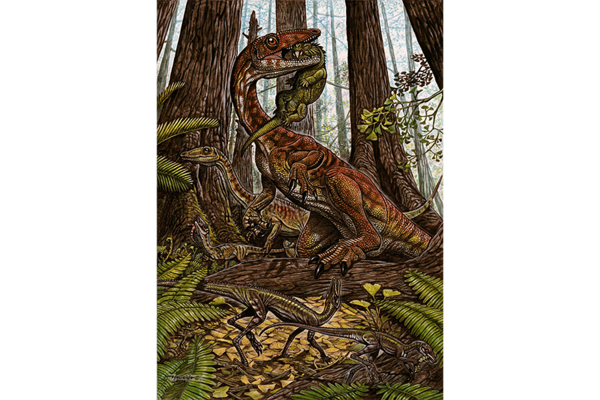 Did dinosaurs and their precursors coexist?This dinosaur and its close cousin were found in the same grave. What can their bones tell us about the early history of the famous creatures?
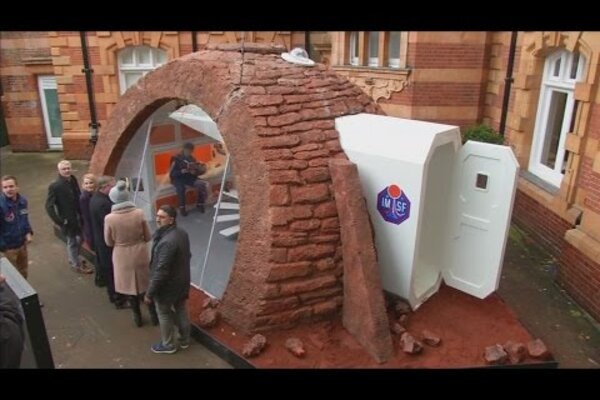 First LookWhat will Mars homes look like? London show house offers suggestions.A new Martian show home, which opened Thursday at the Royal Observatory Greenwich, offers one view of what our houses might look like if we go to Mars.
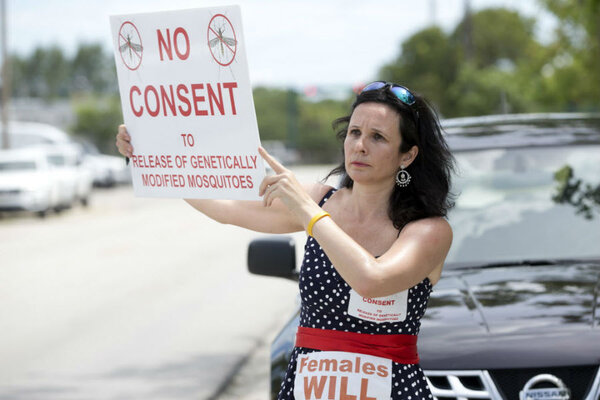 First LookGenetically modified mosquitoes? Florida neighborhood votes no.Residents of a Florida neighborhood voted against releasing genetically modified mosquitoes as a test to reduce the population of Zika-carrying mosquitoes.
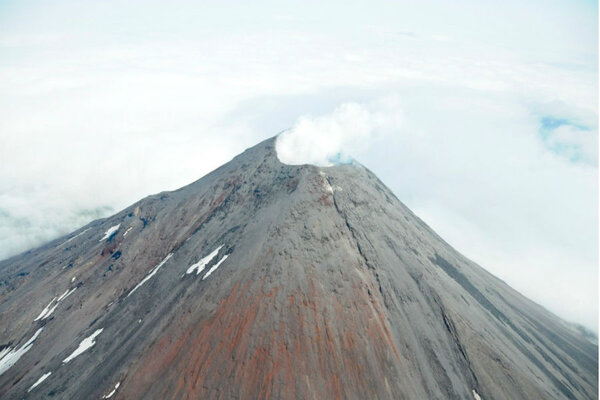 When will a volcano erupt? Check for bubbles.Researchers studying the dormant volcano聽Uturuncu in Bolivia say that bubbles in underground magma may be responsible for the volcano's more violent eruptions in the past.
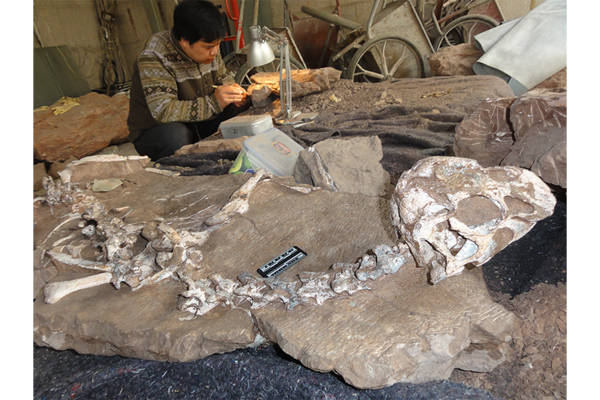 'Mud dragon': How a pristine dinosaur fossil was found after dynamite blastA mud-encrusted, birdlike dinosaur found in China could help scientists piece together the picture of life right before the creatures went extinct.
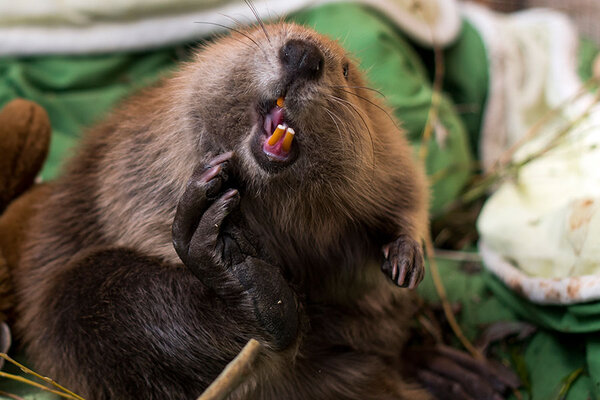
- Supermoon Sunday: What makes it a Beaver Supermoon?In a news cycle full of full moons 鈥� Black Moons, Strawberry Moons, Wolf Moons, and Super-Blood-Harvest Moons 鈥� those names may begin to lose meaning. Has the monthly moon hype gone too far?
 What makes plastic trash seem so tasty to seabirds?Why are seabirds tricked into thinking that plastic is food? The answer, say scientists, might help humans cut plastic out of the birds' diets.
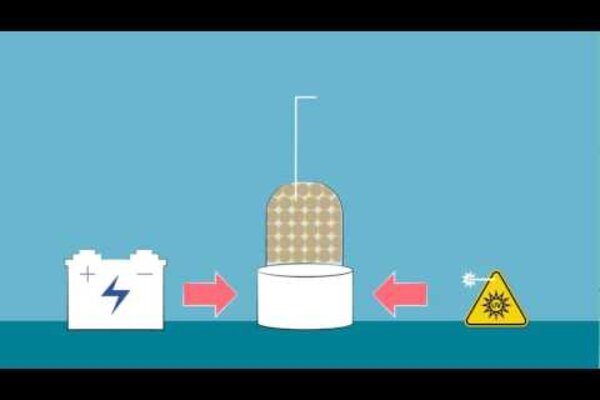 First LookA microelectronic breakthrough: chips that need no semiconductorUsing this new technology, scientists may someday be able to build faster and more powerful electronic devices, such as solar panels.
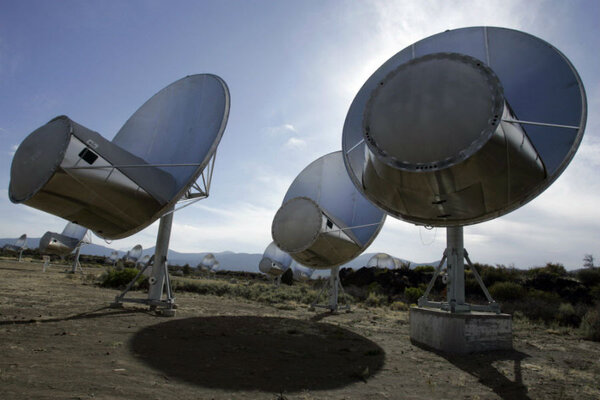 First LookAustralia's Parkes telescope joins the search for alien lifeThe Parkes telescope聽will be a heavy hitter for Breakthrough Listen, a project dedicated to searching the sky for alien transmissions.
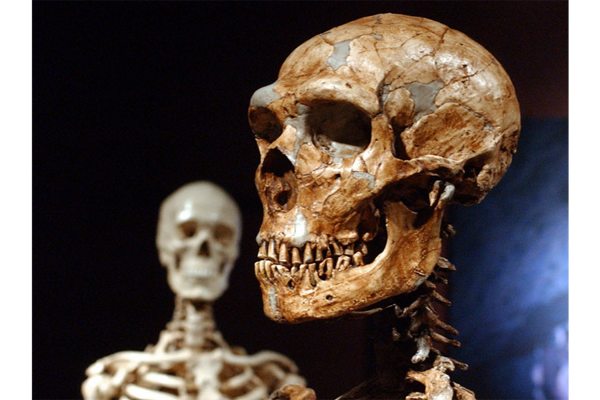 Why don't humans have more Neanderthal DNA?Scientists may have figured out how the modern human genome became purged of some Neanderthal genetics.
 First LookVaping leads teens to smoking, new study saysA study of more than 3,000 students at public schools in LA suggests that those who vape are more likely to become traditional cigarette smokers.
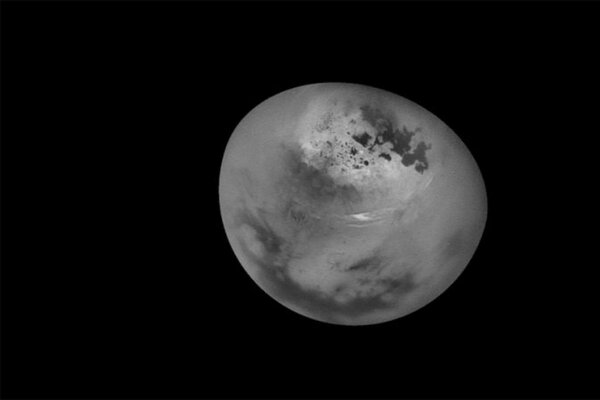 First LookCassini space probe images a cloudy summer day on Saturn's largest moonBy observing clouds develop on other planets, scientists may glean new insights into those planets鈥� dynamic behavior and chemical makeup.
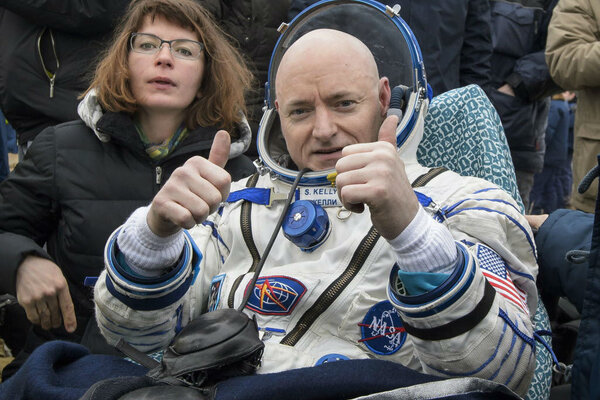
 First LookHow NASA astronauts cast their votes ... from spaaaaace!Shane Kimbrough, the sole American astronaut aboard the International Space Station, cast his vote Monday via a digital version of the familiar federal absentee ballot.
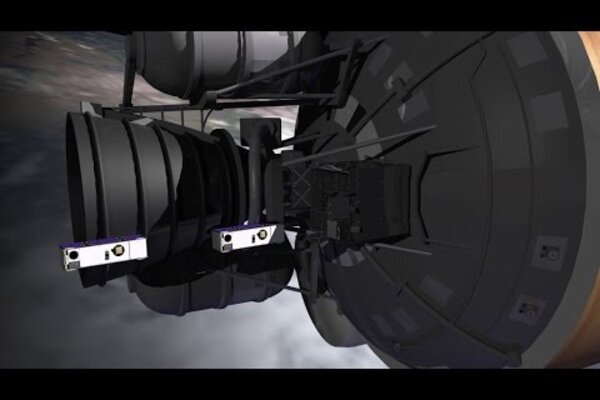 First LookNASA to launch swarms of tiny satellites into orbitThese new 'smallsats' are part of a paradigm shift for NASA, which is increasingly turning to tiny technology as a more economical alternative to traditional satellites.
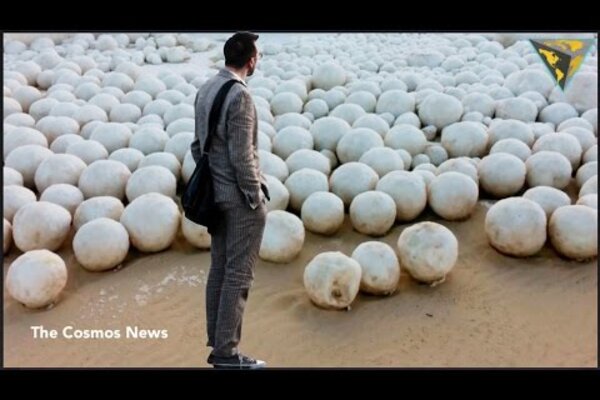 First LookMystery: Why are giant snowballs turning up on Russian beaches?Snowballs ranging from the size of a tennis ball to globes almost three feet across have been washing up along 11 miles of Russia's Siberian coast.
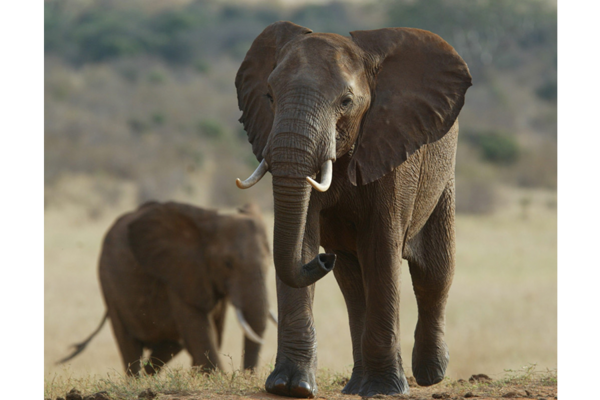 First LookWhat carbon dating tells us about elephant poaching. (It's not good.)Scientists examining confiscated elephant tusks say that the majority come from elephants killed within the last three years.
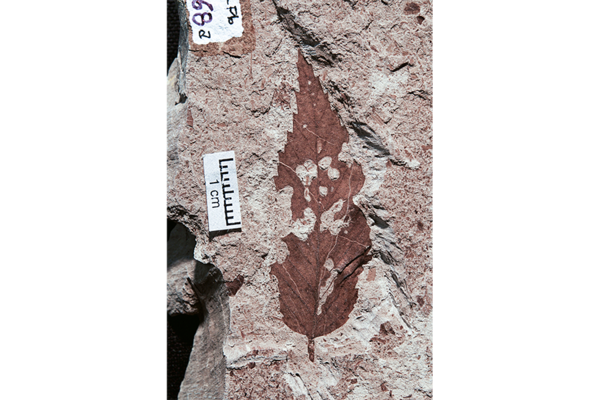 Was South America a refuge during the dino-killing mass extinction?New fossils from Argentina shed light on the last mass extinction 鈥� the one some 66 million years ago that wiped out the non-avian dinosaurs.