All Science
 The new clue that could solve the Amelia Earhart mysteryUS聽Secretary of State Hillary Clinton has joined scientists and aviation archaeologists in unveiling a renewed search for the wreckage of the plane flown by Amelia Earhart as she attempted to circle the globe in 1937.
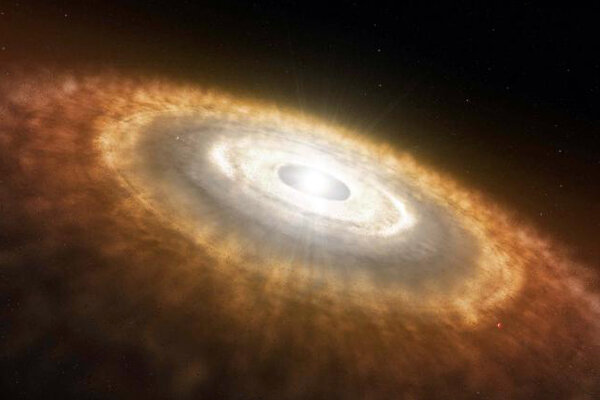 Scientists explain pileups of gigantic alien worldsResearchers say they have apparently discovered the secret behind the mysterious clumping of massive alien worlds: high-energy radiation from their stars.
 Satellites identify thousands of small hills as ancient human settlementsNow, two scientists have figured out a more efficient way of locating these sites, via their footprints, from space.
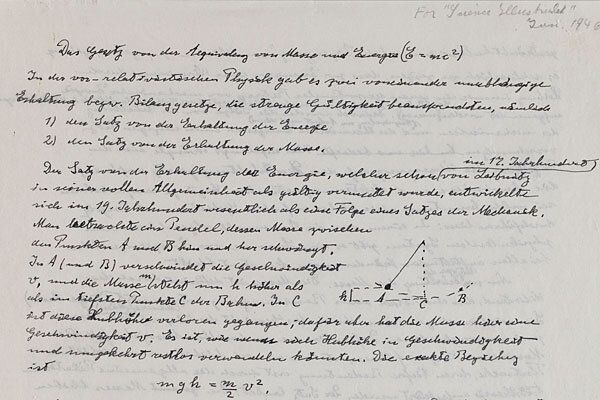 Albert Einstein papers show physicist as lover, dreamerThe Hebrew University of Jerusalem, which Albert Einstein helped found, is uploading scans of the physicist's manuscripts, political ideals, and love letters to his mistress,聽
 Stars create gaps devoid of gas giants, study findsComputer simulations of young solar systems suggest that gas giants seem to avoid certain orbital regions around stars, a phenomenon caused by intense radiation emanating from young stars.聽
 Vikings spread mouse species to Greenland, Newfoundland, study findsA genetic study of house mice suggests that the species was spread by Vikings between the eighth and 10th centuries. 聽
 'Frozen Planet' will make you fall in love with north, south poles'Frozen Planet' the seven-part BBC/Discovery documentary whose first episode aired Sunday night features penguins, polar bears, and a time-lapse brinicle, which has to be seen to be believed..聽
 Retest of neutrino speed suggests Einstein was right, after allAn attempt to replicate experiments last year in which neutrinos were measured moving faster than light has clocked the ethereal particles traveling within the cosmic speed limit, suggesting that Einstein's special theory of relativity still holds up.聽
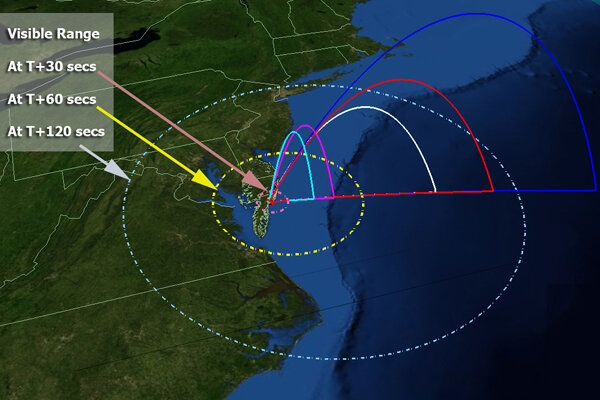 NASA to launch one rocket per minute tonight (for five minutes)The five-rocket salvo, which is scheduled to launch Sunday night from NASA's Wallops Flight Facility in Virginia, forms the core of the agency's Anomalous Transport Rocket Experiment, or ATREX.
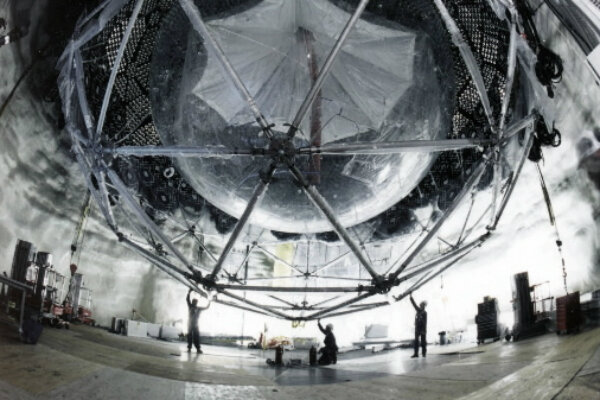 Neutrinos slower than light, but continue to befuddle physicistsA recent experiment has demonstrated that neutrinos do not, in fact, travel faster than light. But this ethereal subatomic particle continues to undermine established physical models in other ways.聽
 Scientists unravel mystery of humongous squid eyeballsLiving at extreme ocean depths, the colossal squid and its cousin, the giant squid, has unusually large eyes. A group of researchers say they now know what accounts for the animals' huge peepers.聽
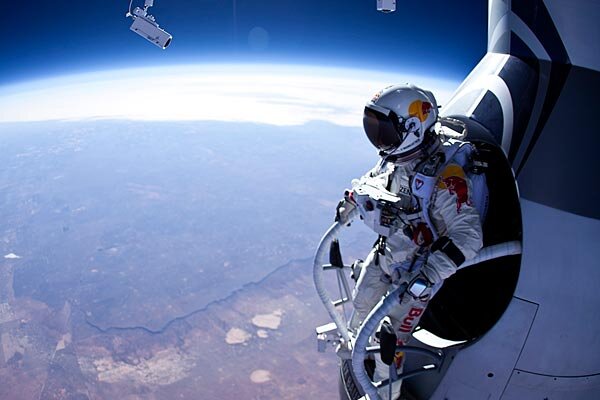 Sky diver, after free-falling 13 miles, sets sights on record 23-mile jumpFelix Baumgartner landed successfully after a free-fall jump from 13 miles above Roswell, N.M., on Thursday. His ultimate aim: a 23-mile dive during which he would break the sound barrier.
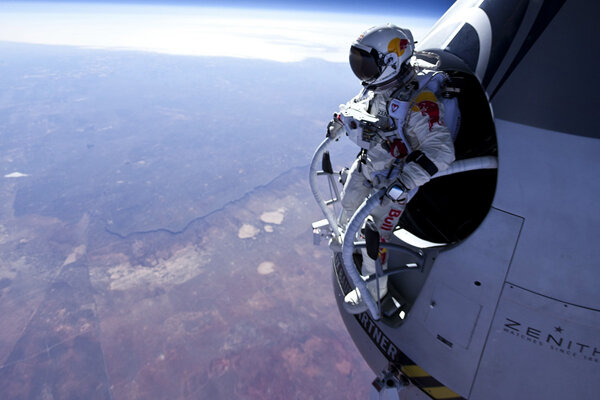 Skydiver falls from stratosphere in preparation for 'space jump'Austrian skydiver Felix Baumgartner stepped out of a custom-built capsule at an altitude of 71,581 feet and plummeted to Earth in a nearly four-minute freefall.
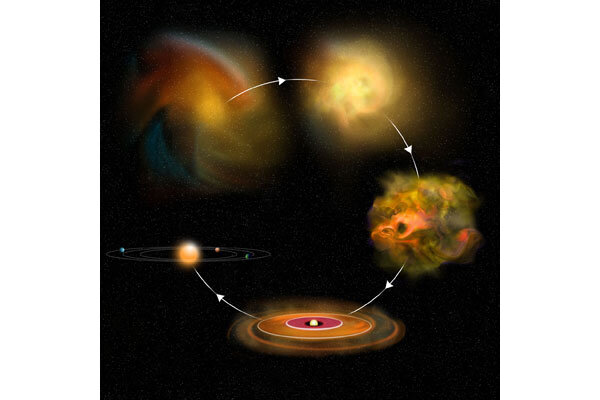 How does star-making start? For first time, scientists might get a glimpse.Scientists have yet to see a star form all on its own 鈥� away from the influence of surrounding stars. Now, researchers say they might have found a candidate.聽
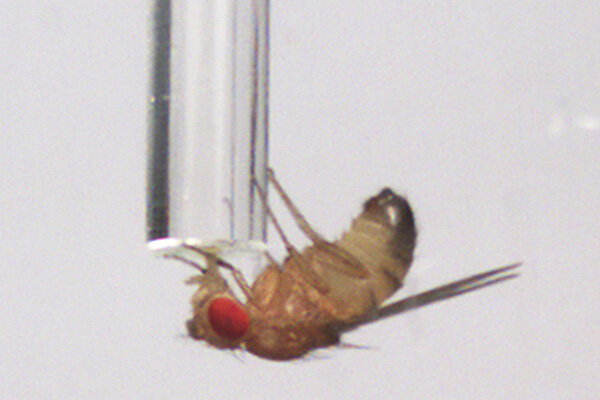 Rejected fruit flies use alcohol to copeFruit flies that haven't mated recently are more likely to ingest alcohol, according to a recent study.
 Why do colossal squids have such colossal eyeballs?The colossal squid is thought to have the largest eyes of any animal. A new study suggests that the squids eyes evolved to help them avoid sperm whales.聽
- Pentagon seeks cheap, disposable satellites to observe battlefieldsThe Pentagon's Defense Advanced Research Projects Agency lab plans to launch a fleet of disposable satellites to provide images for troops fighting聽on the ground.
 Tiny particles send a message for the first timeScientists have used neutrinos to send a message. This may be the first step toward a new form of communication.聽
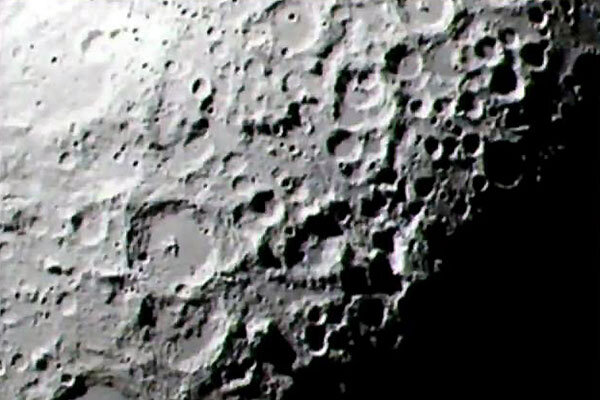 How did the moon get there? NASA videos explain.Images captured by NASA's Lunar Reconnaissance Orbiter have been used to create an animated 4-billion-year history of the moon.
 Study: Psychic ability doesn't hold upA new study supports skeptics of psychic abilities. Researchers failed to find evidence to support claims that extrasensory perception is real.