All Science
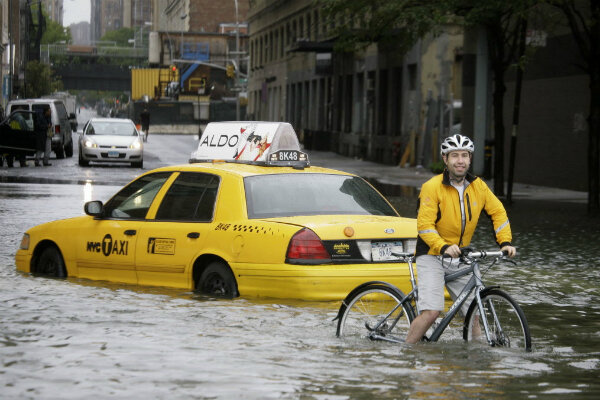 Past decade's extreme weather is manmade, new study suggestsExtreme rainfall and heatwaves over the past decade have been linked to global warming in a new Nature Climate Change study. The relationship between storms and warming is less clear.
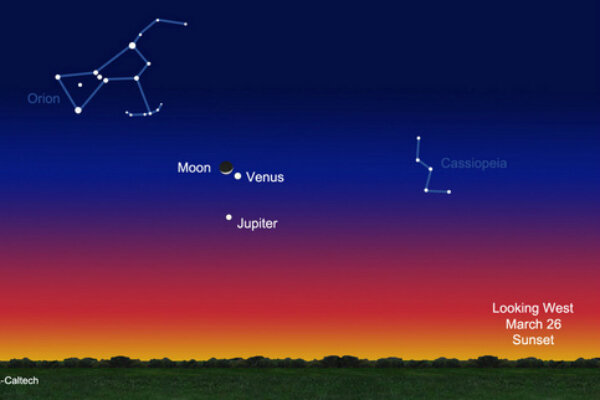 Bright Venus to show in daytime skyEffulgent Venus will show just beside the moon today. Also, some cues on how to observe this rare and beautiful event.
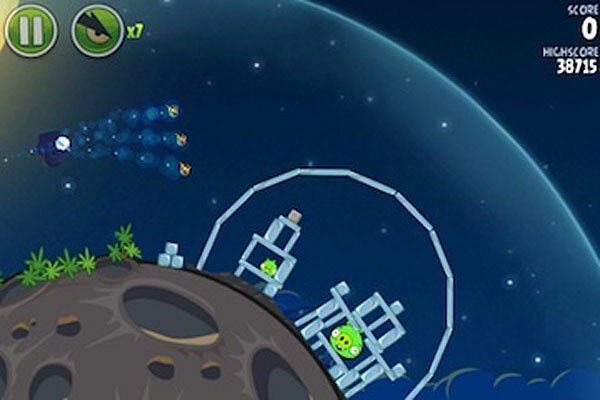 Angry Birds Space: Should you download it?Review: Released on Thursday, Angry Birds Space offers dazzling new physics.
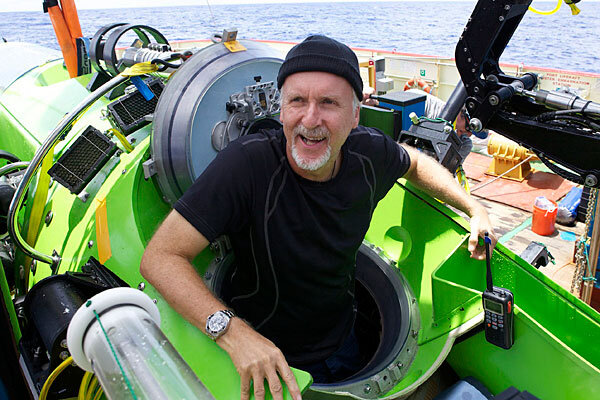 Why James Cameron was forced to surface earlyJames Cameron described the Mariana Trench as "very lunar, a very desolate place, very isolated.鈥� His six hour trip was cut in half by hydraulic problems.
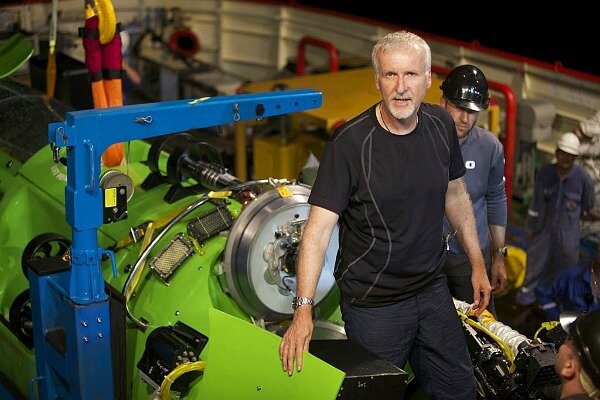 James Cameron makes final preparations for historic deep-sea diveWeather permitting Saturday, explorer and filmmaker James Cameron could take his Deepsea Challenger to the bottom of the world, a place of perpetual cold, darkness, and abiding mystery.聽
- Angry Birds Space billed as an educational tool. Really?Launched Thursday, Angry Birds Space, the latest installment to the wildly popular Angry Birds video game franchise, is being billed as a tool for educating people about physics. How scientifically accurate is the physics in the game?
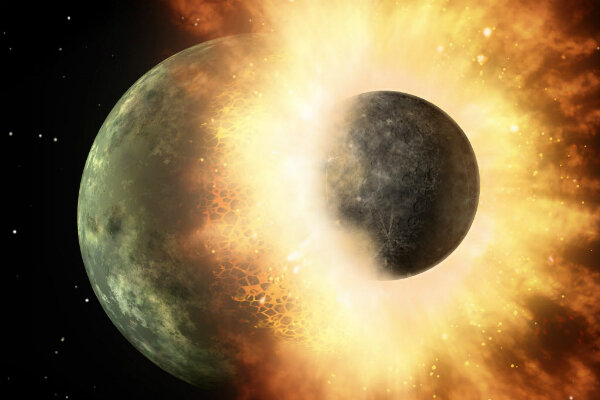 Runaway planets ejected from galaxy at insane speedsNew evidence suggests that planets are being tossed out of the Milky Way at speeds comparable to the speed of light.
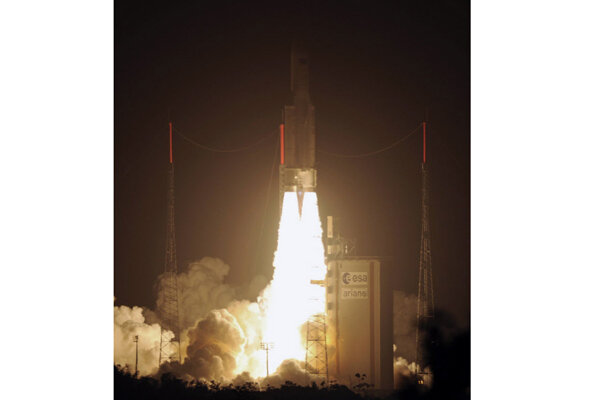 Massive, rocket-powered, robotic craft begins delivery mission to space stationThe 13-ton cargo freighter is loaded with about 7.2 tons of supplies, including food, water, clothing, experiments and fuel for the space station, according to NASA.
- Titanoboa: How did a snake ever get so big?Titanoboa: The new Smithsonian exhibit in Grand Central Station displays a replica of the largest snake in history, the 48-foot titanoboa. Why don't huge snakes exist today?聽
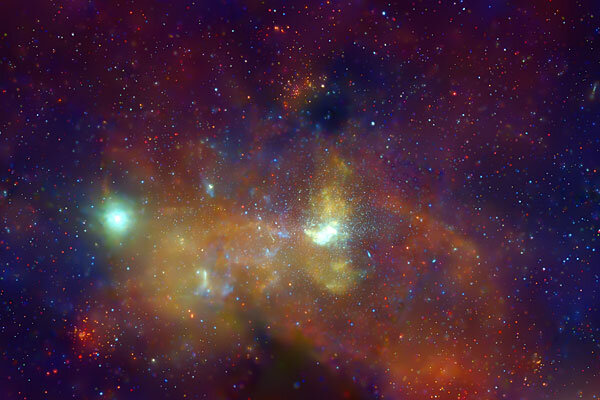 Planets hurtling near the speed of light? It's possible, study says.Scientists want to know if planets can form near the supermassive black hole at the core of the galaxy. If so, the black hole could fling them out into space at enormous speeds that, from our vantage point, could appear to approach the speed of light.聽
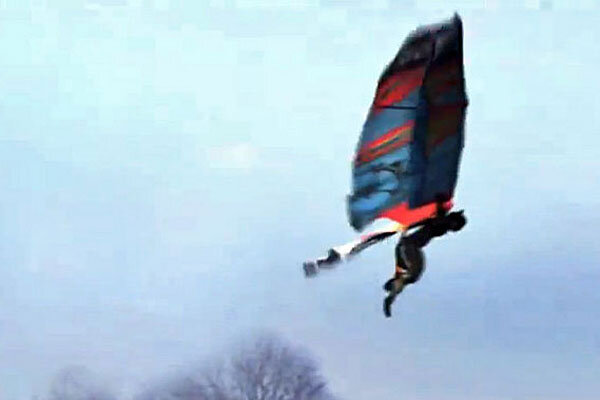 'Bird Man' admits video is a hoax'Bird Man'聽Jarno Smeets became an Internet sensation when he posted a video of himself apparently taking flight with a pair of flapping wings. He subsequently admitted that the video was fake.聽
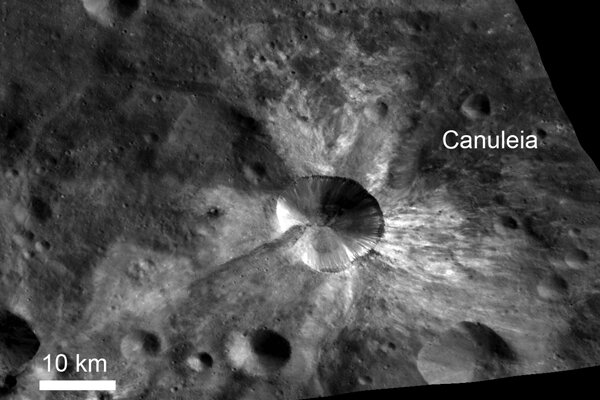 Photos of asteroid Vesta reveal bright, ancient rock and dark, melted stoneThe new photos of Vesta from NASA's Dawn spacecraft highlight odd, shiny spots that are nearly twice as bright as other parts of the asteroid 鈥� suggesting it is original material left over from the space rock's birth 4 billion years ago, NASA officials said today.
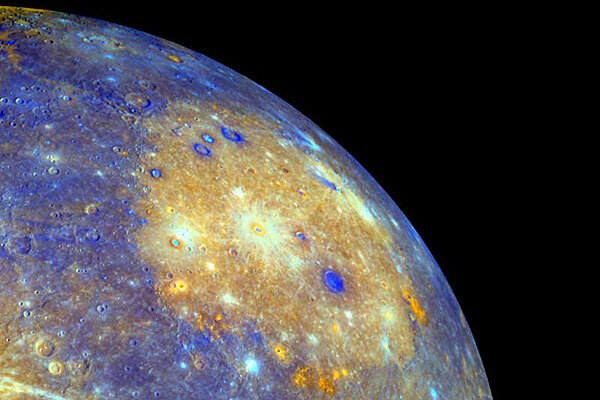 Mercury: Unusual insides and active historyNew information collected by NASA's Messenger shows that Mercury was more geologically active than scientists previously thought.
 NASA scientist's espionage attempt results in 13-year prison sentenceOn Wednesday, Stewart Nozette, a high-profile former government scientist, was sentenced to 13 years for espionage after passing secrets to an FBI agent posing as an Israeli spy. He was also fined for tax evasion.
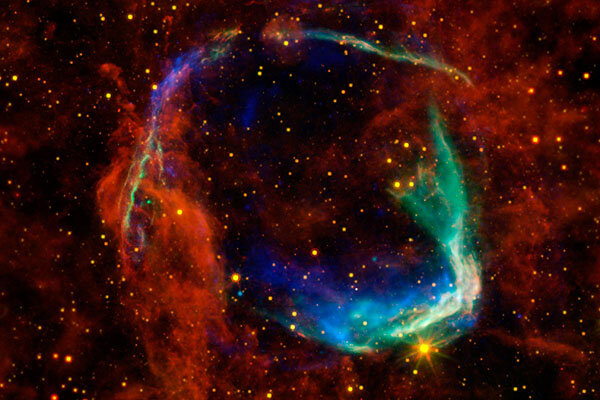 Giant stars may not be necessary for supernovaeNew research using X-ray and ultraviolet data helps scientists to better understand the origins of supernovae. These exploding stars are important in measuring distance in the universe.
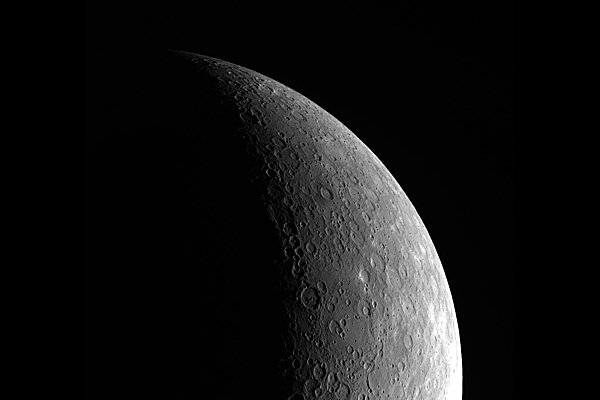 Strange features on Mercury upend thinking about 'first rock from sun'New results from NASA's MESSENGER spacecraft show Mercury to have features unlike anything scientists have seen elsewhere in the solar system. Here's one: a huge core for a planet this size.
- Man-made noise can affect plants, as well as animalsA new study concludes that noise from humans can have an effect on plant life, in addition to wildlife.
 Mexico earthquake: How quake-prone is the region?Mexico earthquake history shows that the same faults that caused Tuesday's Mexico earthquake can produce even bigger events, like one that struck in 1985.
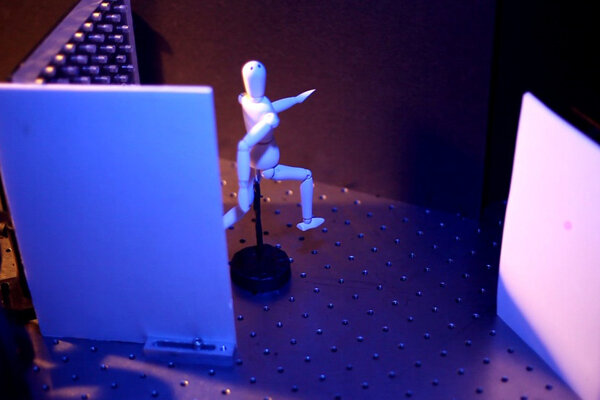 Scientists can see around corners using lasers and computersOrdinarily it's impossible to see an object around a corner, but researchers have devised a system of pulsing lasers and computer聽algorithms聽that allow them to see the seemingly unseeable.
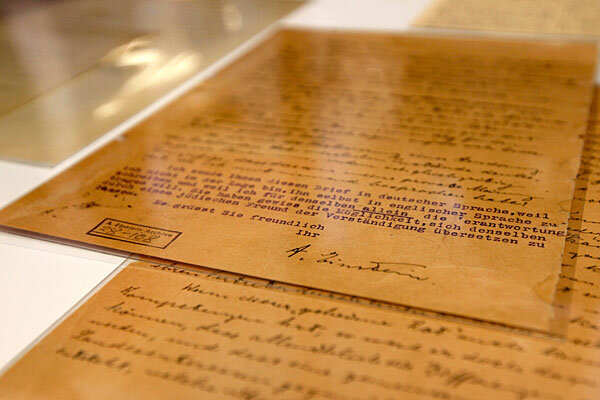 Albert Einstein had problems with authority in school, new online archives revealEinstein鈥檚 school certification, the famous E聽=聽mc2聽 equation in handwritten format, and a personal postcard are among the 80,000 items contained in the newly established Einstein Archives Online.