All Science
 Is corn syrup killing the honeybees?A trio of recent studies faults a common family of corn pesticides for disorienting honeybees, potentially leading to colony collapse disorder. The German chemical company Bayer, which manufactures the pesticides, disagrees. 聽
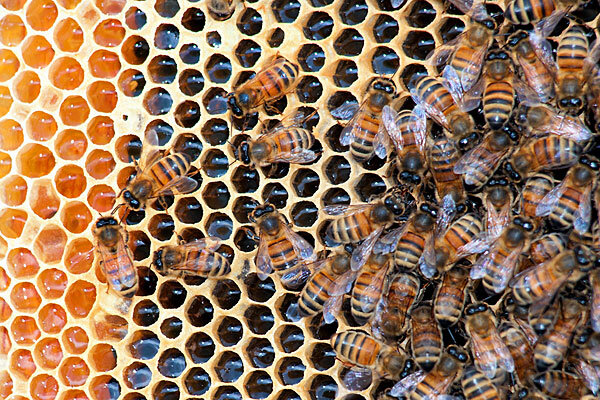 Studies fault Bayer in bee die-offA corn pesticide manufactured by the German chemical company Bayer has come under scrutiny in two scientific studies that indicate that it is responsible for mass deaths of pollinating bees.聽
 What does Easter have to do with the moon anyway?Traditionally, Easter is observed on the Sunday after the first full moon of spring in the northern hemisphere.
 NASA photo captures 12-mile-high dust devil on MarsA humongous dust devil churned on Mars last month, as seen in a photo taken by NASA's Mars聽Reconnaissance聽Orbiter.
 Large Hadron Collider atom smasher collides particles at record energiesProtons zoom around the 17-mile underground loop of the Large Hadron Collider below Switzerland and France, and then crash into each other, dissolving into new and sometimes exotic particles.
 Ice age study delivers blow to global-warming skepticsA new study finds that rising levels of carbon dioxide drove rising temperatures at the end of the last ice age. The findings contrast with previous studies, which skeptics of human-triggered global warming said showed that CO2 levels weren't an important factor.聽
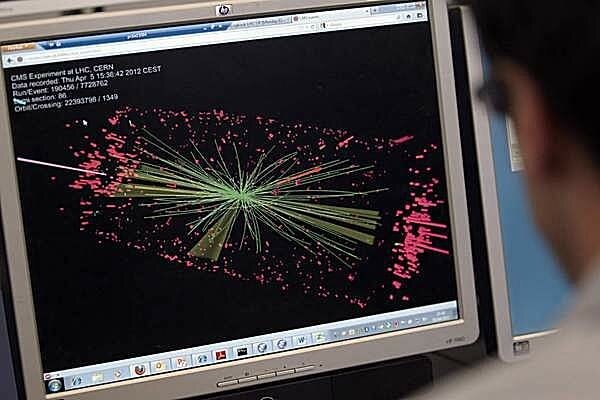 Attempting to recreate Big Bang conditions, CERN scientists break energy recordScientists at CERN may be getting closer to Higgs boson the particle that could help explain the birth of the universe billions of years ago.
 Why it's so difficult to get pandas to mateA newly published study of eight male pandas in China describes changes in their physiology as they prepare to mate. The peak panda breeding period lasts just over three weeks in spring, with each female's interest in sex lasting just 24 to 72 hours.
 How do hyenas observe Lent? By eating more donkey.As Ethopian 海角大神s give up meat and dairy for Lent, hyenas are forced to switch from scavenging to hunting, a new study has found.聽
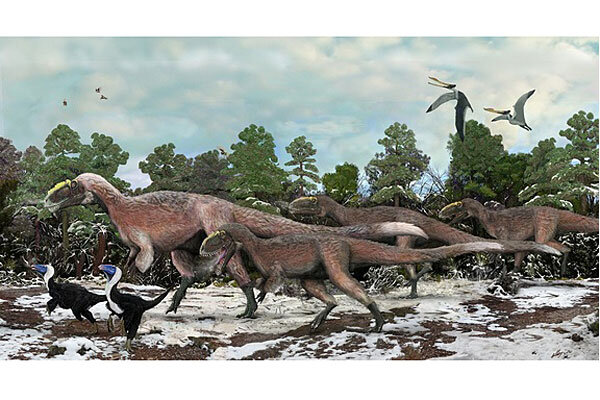 Humongous fuzzy dinosaur unearthed in ChinaAn ancestor of Tyrannosaurus rex,聽Yutyrannus huali weighed 3,000 pounds and was covered in a downy fuzz.
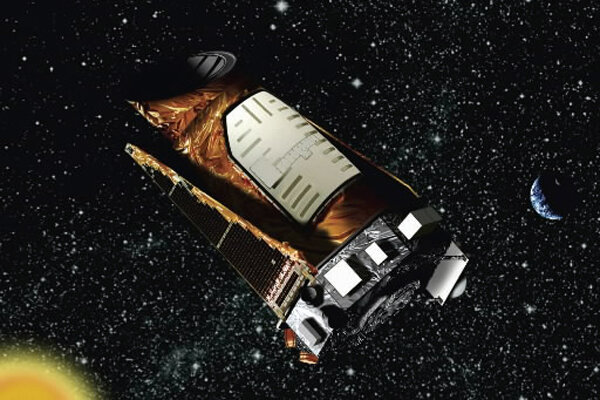 NASA's Kepler observatory to continue hunt for strange new worldsFunding for the Kepler mission, which has discovered more than 2,300 potential alien planets to date, was slated to run out this November.
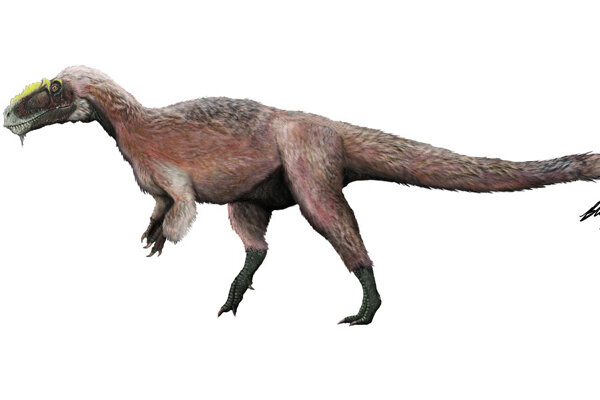 Dressed to kill: A feathered tyrannosaur is discovered in ChinaA team of paleontologists has dubbed their find Yutyrannus huali 鈥� beautiful feathered tyrant. At 1.5 tons, this 'fuzz ball ... with a mouth full of killer teeth' is the largest feathered dinosaur by far.
 Increasing carbon dioxide levels ended the last ice ageUsing data from ice cores and underwater sediment, new research shows that carbon dioxide emissions contributed to the temperature change at the end of Earth's last ice age.
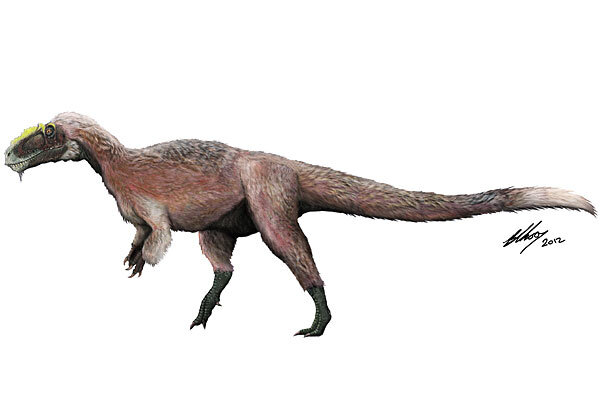 Was Tyrannosaurus rex actually fuzzy?The unearthing of a fuzzy ancestor of Tyrannosaurus rex in China casts doubt on the image of the king of dinosaurs as a scaly beast.聽
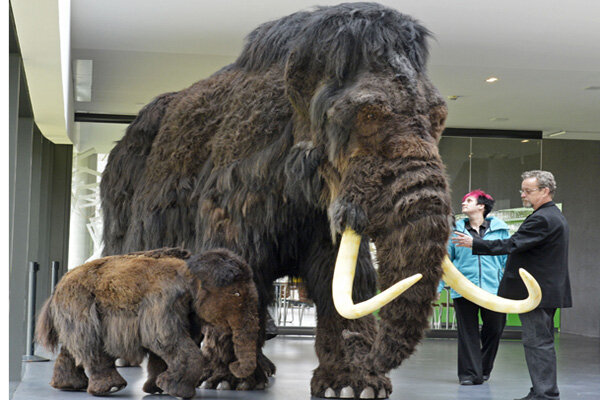 Lions and humans likely collaborated in mammoth slaughterA recently unearthed, strawberry-blond mammoth specimen from Siberia gives researchers new information about how humans and lions hunted.
 Were early humans cooking their food a million years ago?The discovery of million-year-old ash and charred bone in a South African cave suggests that human ancestors were using fire much earlier than previously thought.
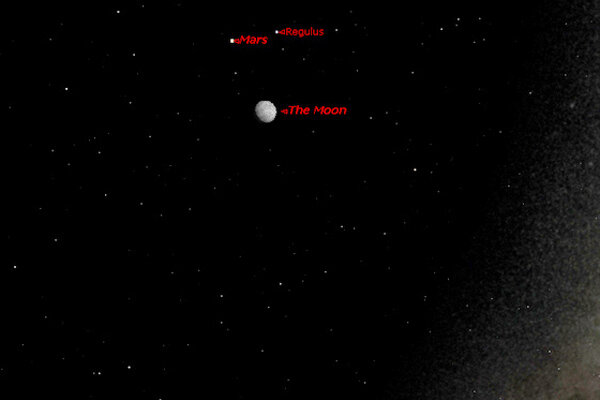 Mars, moon, and star form brilliant sky triangle tonightThe moon, Mars and the star Regulus will combine to form a very bright triple play Tuesday night.
 How do supermassive black holes get so big? A peculiar diet, perhaps.New research suggests that the supermassive black holes at the cores of some galaxies could grow so large by consuming one star from a binary system and flinging the other into space.
 Human ancestors used fire a million years ago, finds studyAsh and a charred bone unearthed in South Africa indicates that, even a million years ago, humanity's forebears had harnessed fire.聽
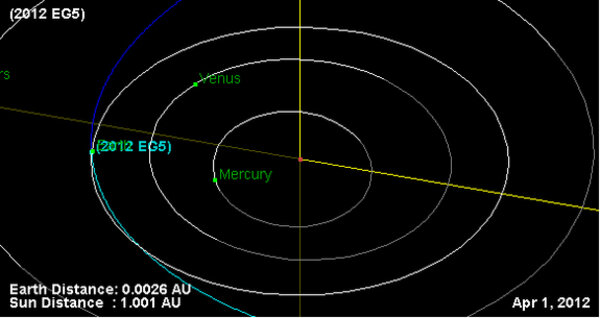 Jet-airliner-sized April Fools' Day asteroid buzzes EarthAbout 150 feet wide,聽asteroid 2012 EG5 hurtled past our planet Sunday, passing closer than the moon.聽