All Science
 First LookTech leaders launch nonprofit to save the world from killer robotsElon Musk, Sam Altman, and other tech titans have invested $1 billion in a nonprofit that would help direct artificial intelligence technology toward positive human impact.聽
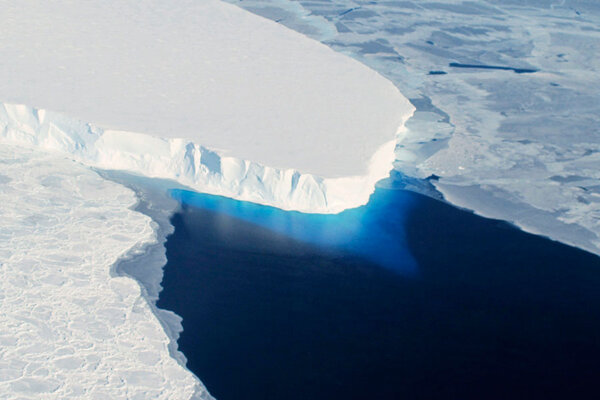 How global warming is literally making your day longerSolving a scientific mystery over 20 years old, a team of Harvard researchers published a paper proving global warming's role in slowing the Earth's rotation.
 Researchers see a decline in injuries worldwidePeople are getting injured less than just two decades ago, say scientists.
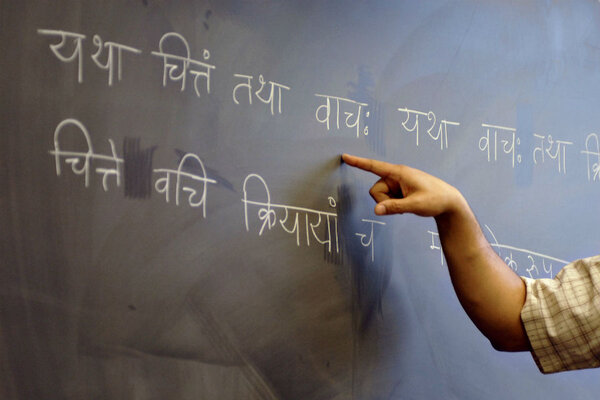 Artificial intelligence passes the Turing test of penmanshipThe program聽can recognize handwritten drawings after only viewing the figures a few times, and also passed a basic Turing test.
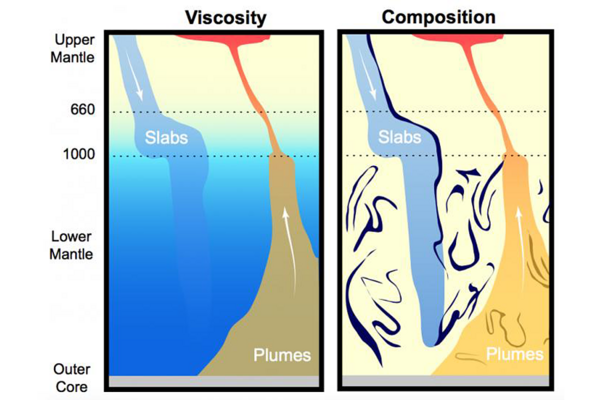 Why is there a mysterious boundary deep in the Earth's mantle?Two separate teams of scientists propose explanations for a suspected boundary marking a property change in our planet's mantle.
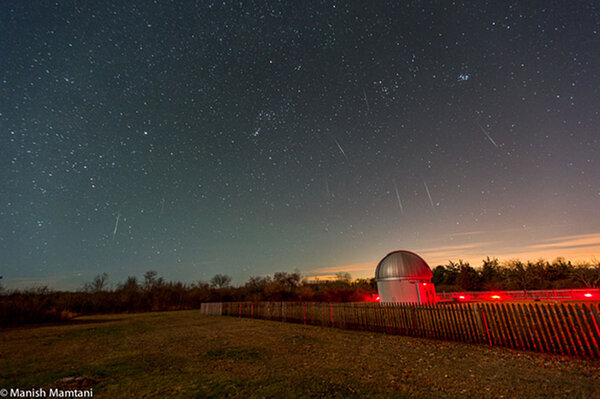 How to watch the 2015 Geminid meteor showerGeminid meteor shower:聽What skywatchers are predicting what will be聽2015's best meteor shower should be in full swing on Saturday and Sunday night. Here's how to make the most of it.
 What do you need to build a 'Star Wars' Death Star? An asteroidAsteroids contain many of the raw materials necessary to build the fictional Star Wars weapon. But that's just one part of rising interest in the public and private space industry regarding asteroids.
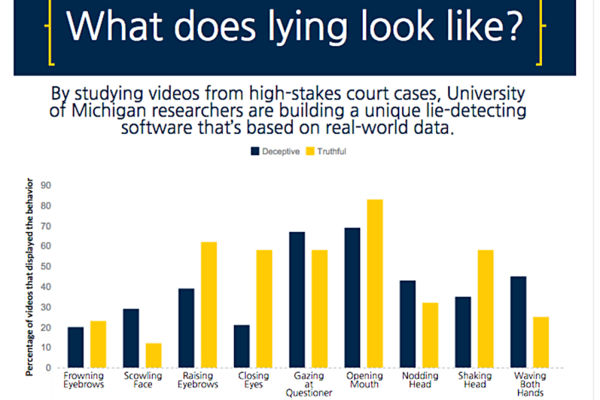 Science NotebookHow computers are getting better at detecting liarsA group of researchers have developed new lie-detecting software, and it doesn't involve being hooked up to a polygraph machine.聽
 Scientists hope court setback doesn't stop giant telescopeThe state Supreme Court recently invalidated the $1.4 billion project's permit to build a giant telescope on conservation land near the summit of Mauna Kea.
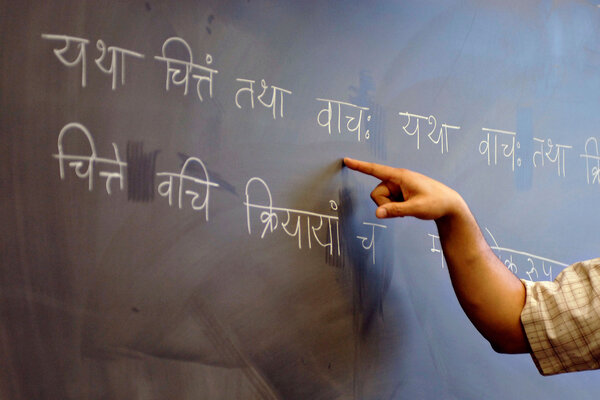 AI breakthrough: How computers are starting to learn like humansArtificial intelligence researchers have studied how humans learn and applied it to computers with the goal of helping both.
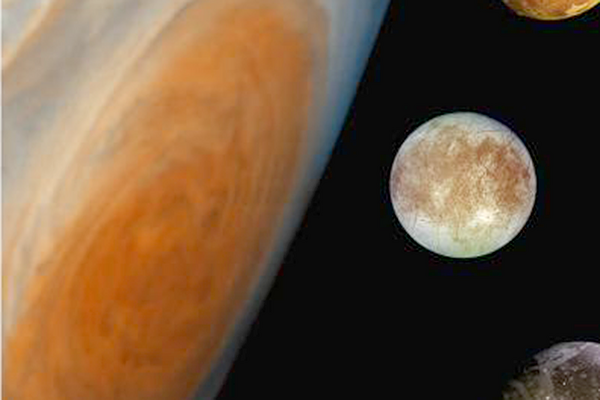 Jupiter-like star spot: Are storms more common than astronomers thought?Astronomers have found the first star with a storm, a discovery that could change scientists' understanding of how cloud storms occur in space.
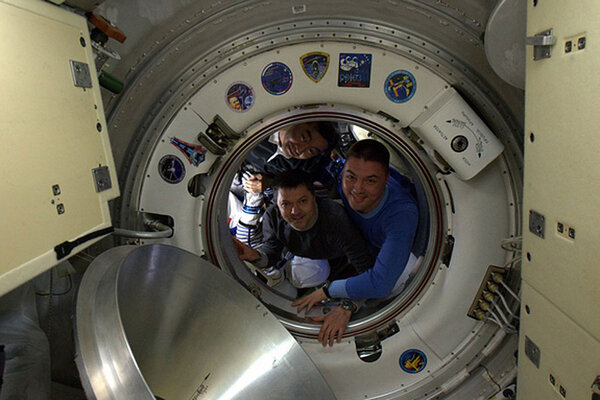 Three astronauts return to Earth from International Space StationAfter 141 days living in orbit above the Earth, a trio of space explorers came back Friday.
 Scientists find Moby Dick's ancestor on a museum shelfDiscovered in 1925 and sitting in storage at the Smithsonian Institution ever since, the ancient sperm whale聽Albicetus oxymycterus was originally classified as a walrus.
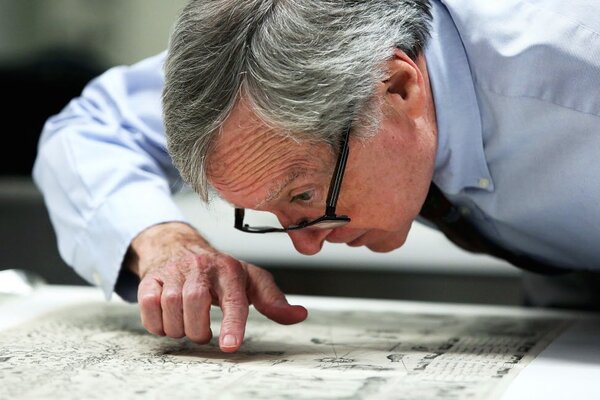 Scientists discover the best formula for giving directionsA team of scientists have found that people are most likely to retain directions when they begin with a landmark and end with an object of interest.
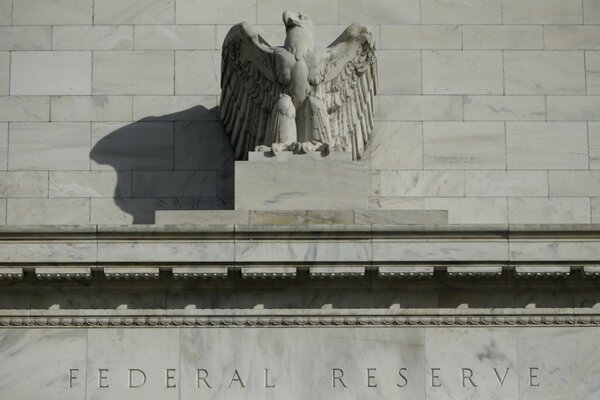 Old economic models couldn't predict the recession. Time for new ones.The US uses 鈥楤ig Computing鈥� to analyze climate, healthcare, and even traffic 鈥� why not the economy?
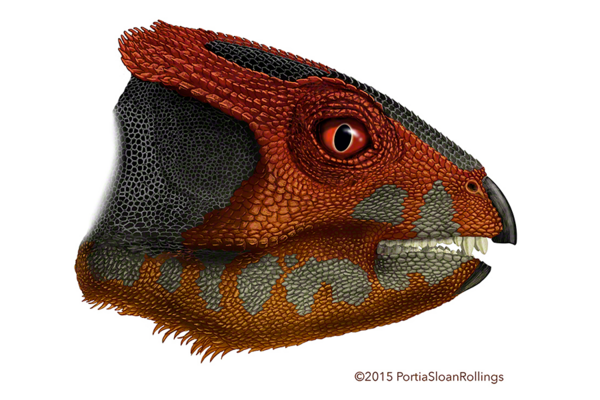 Early Triceratops relative lacked horns, say scientistsResearchers found a new species of dinosaur, an ancestral cousin of the famous Triceratops.聽
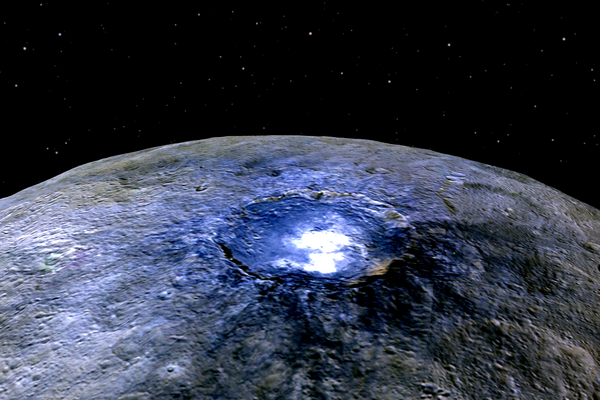 First LookWhat makes the dwarf planet Ceres glow? Scientists unravel the mystery.NASA's Dawn spacecraft has been capturing photos of a glowing dwarf planet for almost a year, and experts say they finally have an explanation for the mysterious bright spots on Ceres.
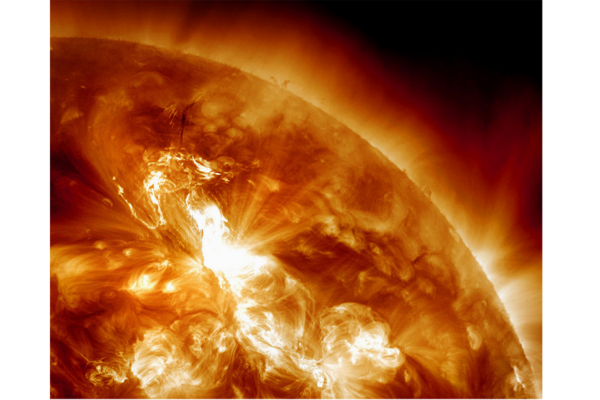 Why scientists say our sun could unleash humongous 'superflare'Scientists say enormous solar flare is possible with our sun, based on new observations of a binary star. But they also say that a superflare is unlikely to occur.聽
 First LookPhoenix rising: Japan's spacecraft beams back photos of VenusThe first photos received from the spacecraft are ultraviolet images taken at the very beginning of Akatsuki's orbit.聽
 Was Stonehenge built somewhere else and then moved?A new study appears to demonstrate that Stonehenge may have been built in Wales and then transported to its current location.