All Science
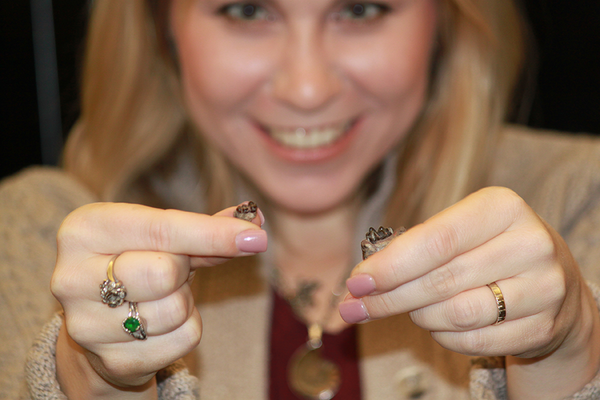 First LookAs Earth got hotter, early mammals responded by getting smallerMammalian 'dwarfing' makes for more efficient heating, and has been documented after 'hyperthermal' events 56 and 54 million years ago. Could climate change make that happen again?
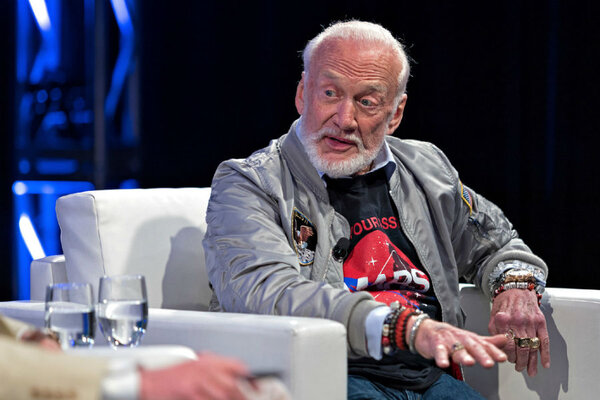 Buzz Aldrin dreams of a colony on Mars: Could VR make it a reality?To illustrate his vision for colonizing Mars, Buzz Aldrin has produced a 10-minute virtual reality film that helps participants 'experience' life on Mars and on the moon.
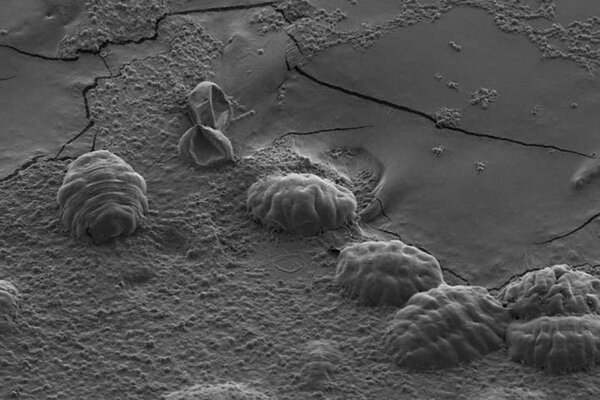 How does a water bear survive desiccation?Tardigrades are really tough critters. In a new study, scientists have pinpointed some of the genes behind the tiny animal's survival skills.
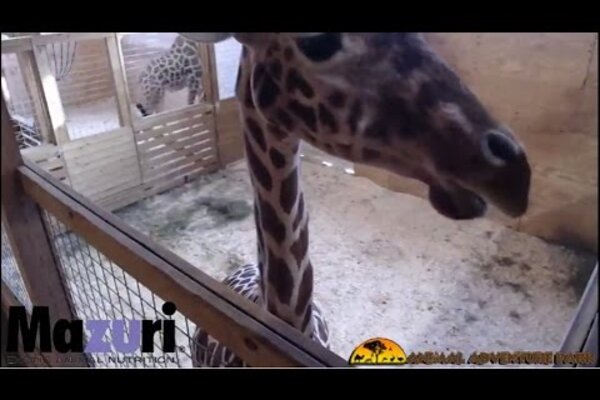 First LookApril the Giraffe 'at the end of the pregnancy,' say zookeepersApril, the pregnant giraffe that has captivated tens of thousands of YouTube viewers, is close to giving birth, say zookeepers at New York state's Animal Adventure Park.
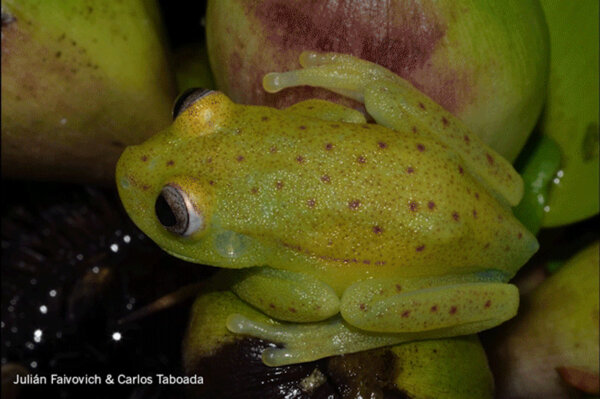 First LookHow does this polka dot tree frog glow in the dark?Some of the molecules in its skin are unique among known fluorescent animals.
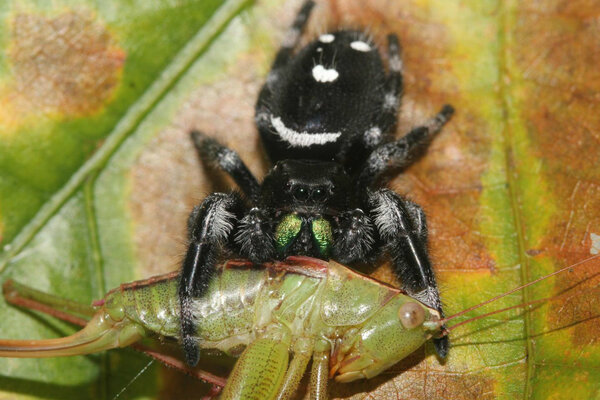 First LookHungry, hungry spiders eat more than 400 million tons of insects a yearSpiders help to control the insect population by eating up to 800 million tons of them every year.
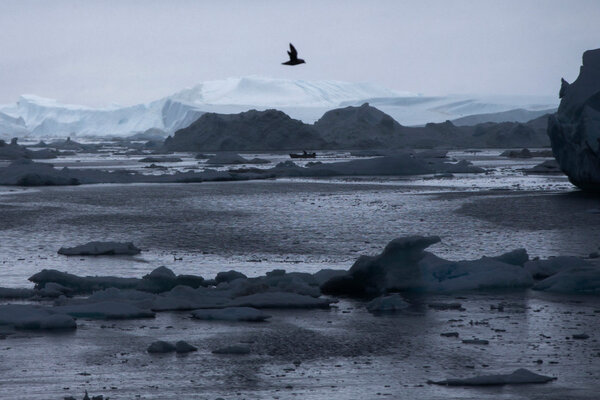 Up to half of Arctic melting can be explained by natural changes'But you can't use this as an excuse' to write off the bigger trend in warming, says one of the study's co-authors.
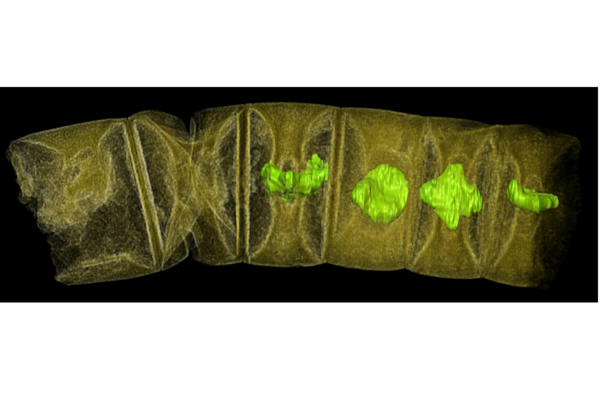 How these 1.6 billion-year-old fossils could reveal clues about the origins of algaePaleontologists find 1.6-billion-year-old fossils that they say look a lot like the red algae of today.
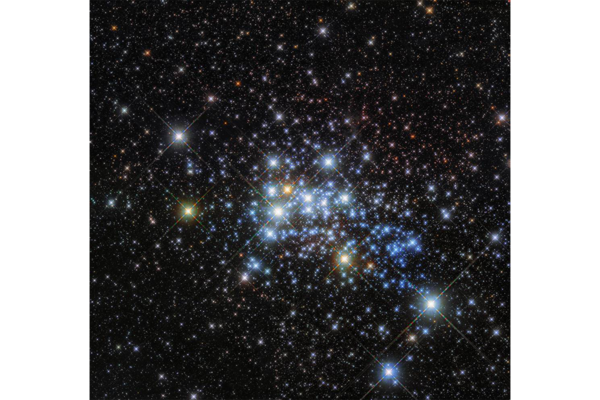
- First LookWesterlund 1-26: Hubble finds one of universe鈥檚 largest starsLocated just 15,000 light-years from our solar system and imaged by the Hubble Space Telescope, Westerlund 1-26 is so big that, if it were to replace our own sun, it would extend beyond the orbit of Jupiter.
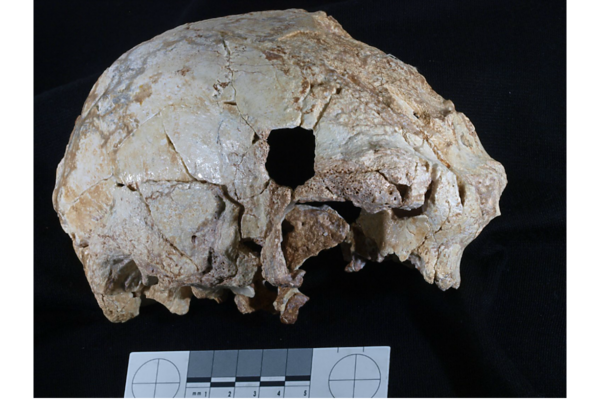 How a 400,000-year-old skull fragment hints at ancient 'unified humanity'The mix of traits on this new specimen found in Portugal has encouraged researchers to rethink their way of describing and classifying ancient human fossils.
 First LookIBM scientists create magnetic atom that could store informationAtomic-scale storage of information on computers has long been considered a holy grail for computer technology.
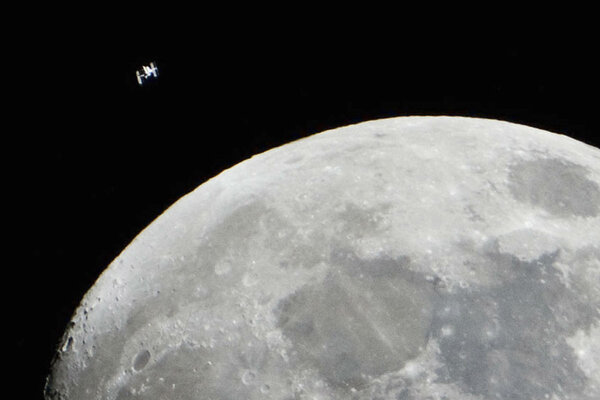 First LookISS 2.0: Why the next space station could orbit the moonThe聽International Spacecraft Working Group met to discuss possible designs for humanity's next outpost in space.聽
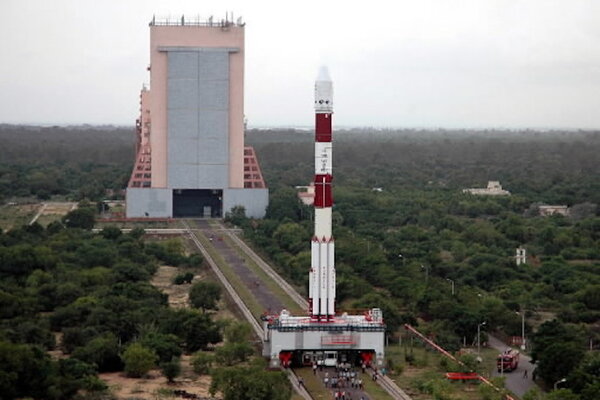 First LookNo longer lost in space: How NASA found this missing Indian spacecraftIn pinpointing the Indian spacecraft, NASA honed a technique for tracking errant objects that鈥檚 likely to see action again soon.
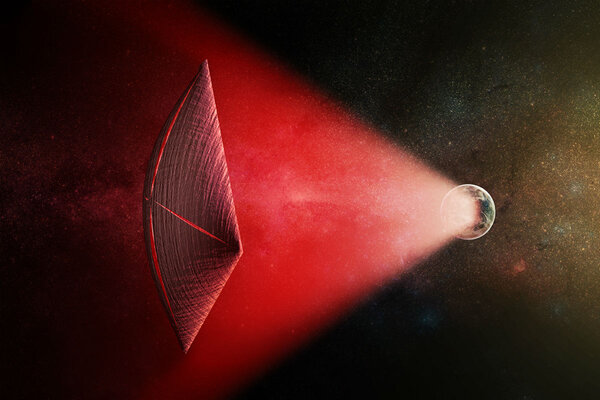 First LookAre distant radio bursts in space signs of alien sailors?A new paper uncovers a number of coincidences suggesting that recently discovered radio bursts are consistent with advanced civilizations using light sails for transportation.聽
 What is a species? Ornithologists consider ways to define it.With organisms gradually evolving into new organisms over the history of life on Earth, drawing a distinction between species can be challenging. One biologist proposes a new way of looking at the question.
 Stephen Hawking calls for 鈥榳orld government鈥� to stop a robot uprisingPhysicist Stephen Hawking reiterated his view that artificial intelligence presents both threats and possibilities. One way to address this and other global challenges, he suggested: world government.
 First LookHair apparent: Study links modern Australian Aboriginals with the continent's earliest settlersAboriginals settled Australia 50,000 years ago, establishing geographic patterns that persist to this day, report scientists citing hair samples as evidence.
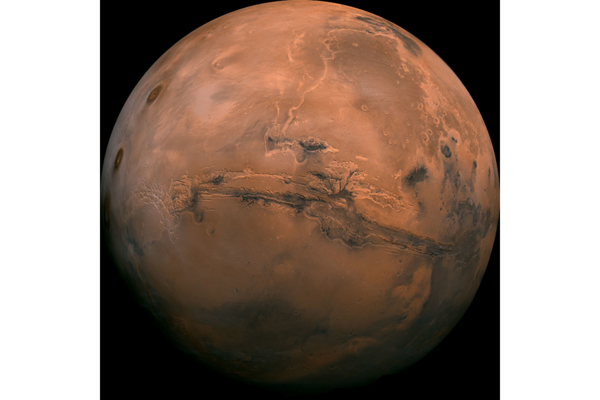 First LookSpuds in space: We probably can grow Mars potatoes, says new studyAn experiment in Peru simulating conditions on Mars demonstrated that the hearty tubers can thrive even under the harsh conditions similar to those found on the Red Planet.
 First LookScientists confirm: Time crystals definitely existTwo teams have created a new form of matter, opening up a whole new realm of physics.聽
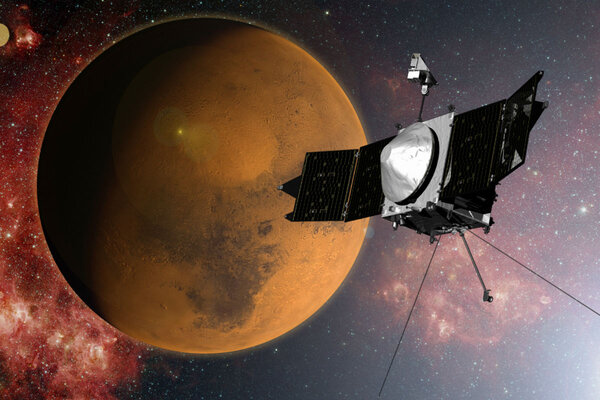 Could a huge magnet turn the Red Planet green?Martian climate simulations suggest a relatively simple plan could restore Mars's ancient atmosphere, and more.聽