All Science
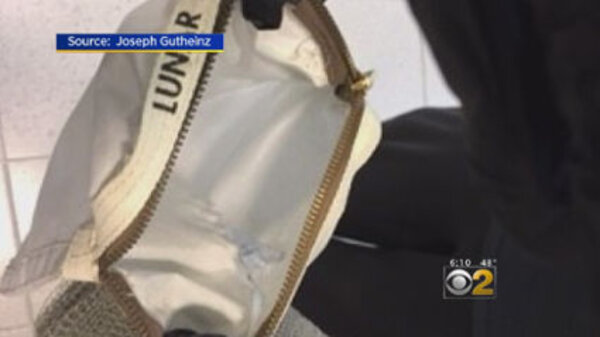 First LookWhy NASA had to give back a bag of moon dust to Chicago womanA bag used during the first manned mission to the moon in 1969 was accidentally sold to聽Nancy Lee Carlson during an auction in 2015, much to NASA's dismay.
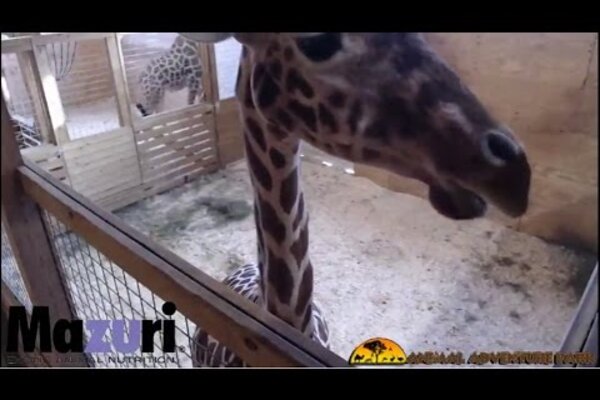 First LookHow this giraffe mom captivated the worldAs giraffe populations dwindle, a live feed of a pregnant giraffe in Animal Adventure Park, a zoo in upstate New York, has enthralled viewers around the globe, perhaps even helping conservation efforts for the vulnerable animals.聽
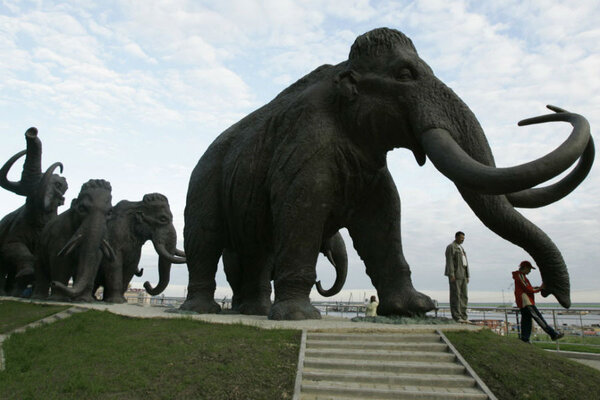 Why bringing back extinct species may not help conservation effortsA new economic analysis suggests that de-extinction may detract from, rather than add to, efforts to conserve endangered species.聽
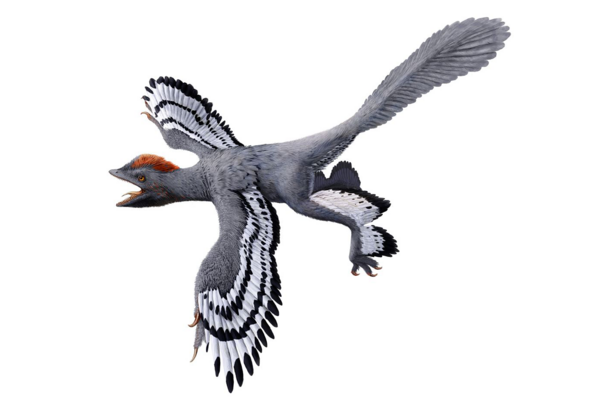 How lasers are helping flesh out what dinosaurs actually looked likePaleontologists reveal spectacular images 鈥� created using a laser 鈥� of 160-million-year-old dinosaur fossils.
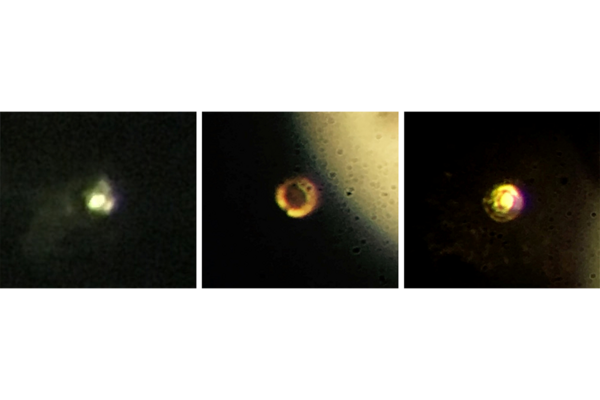 First LookWorld's only metallic hydrogen sample disappears, if it indeed existed in the first placeWhen researchers at Harvard University announced that they had found a 'holy grail' of solid-state physics by forcing hydrogen into a metallic form, their discovery was met with skepticism. Now, the researchers' sample has gone missing.
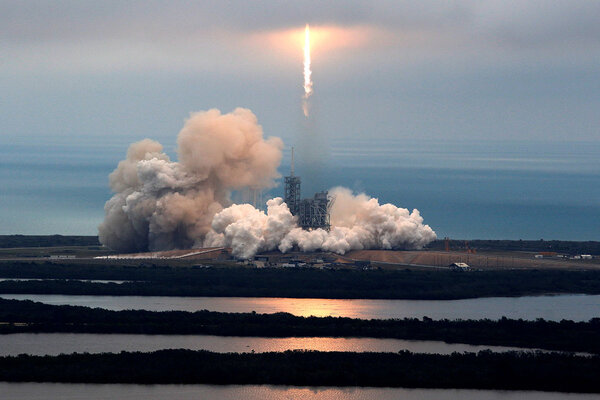 First LookSpaceX plans to send humans around the moon in 2018. Can they pull it off?On Monday, the private spaceflight company, which has yet to fly humans to space,聽announced plans to send a crewed spacecraft around the moon late next year.
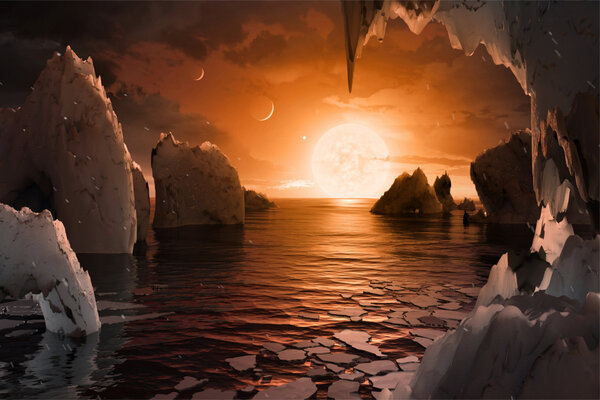 Could the TRAPPIST-1 exoplanets harbor alien life?Several Earth-sized exoplanets orbiting a small, dim dwarf star could support life 鈥撀爄f they have the right kind of atmosphere.
 First LookSpring comes early, bringing balmy days 鈥� and climate questionsSpring-like temperatures have arrived between two and three weeks early this month in various parts of the United States.聽
 Intelligent insects: Scientists teach bees how to play 'golf'The 'game,' which involves pushing a ball into a designated area for a reward, is unlike most behaviors a bee would be instinctively prepared for in the wild. Bees demonstrated 聽complex cognitive abilities.
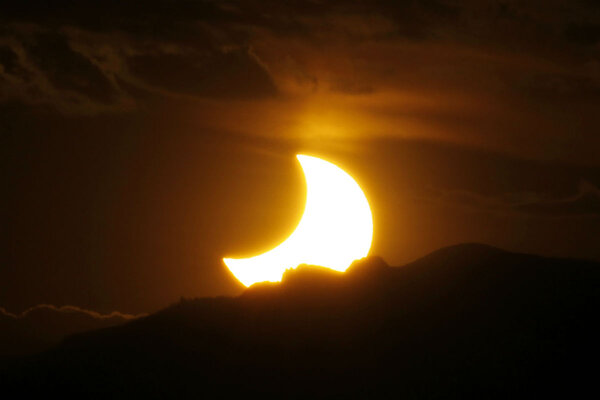 Sunday's solar eclipse: Yes, these events still produce real scienceThe annular eclipse Sunday in Argentina is seen as a practice run for the big event in August. Why solar eclipses still excite scientists, too.
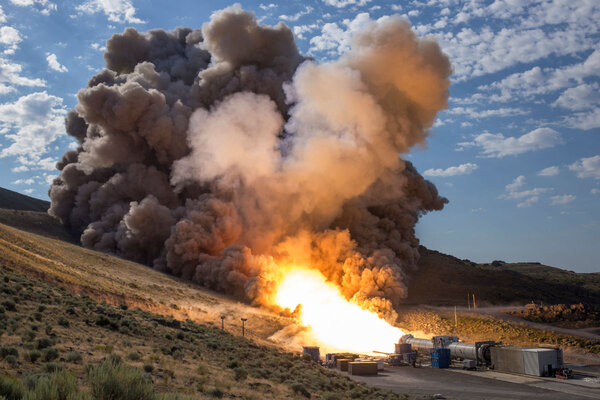 Apollo 8 redux: Why NASA may send humans around the moon, againNASA could send astronauts around the moon sooner than expected, if the Trump administration has its way. But will the added cost be worth the benefits?
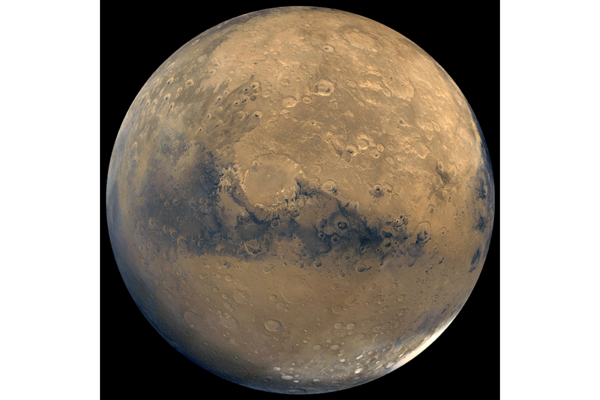 First LookThe Red Planet is red hot right now, but are we really ready to send people to Mars?NASA, SpaceX, China, India, Europe, and the UAE all want to go to Mars, but will they ever be able to bring people along for the ride?
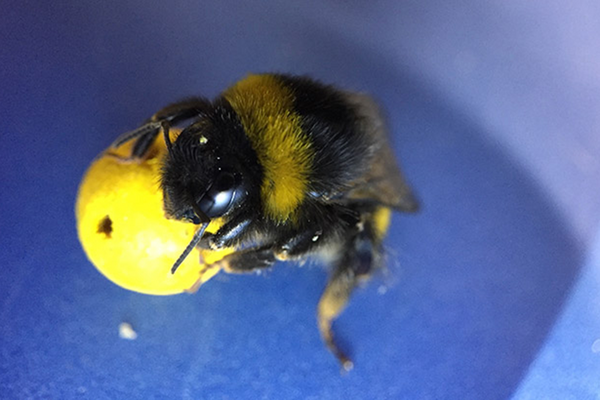 First LookHow smart is a bumblebee? Smarter than you'd think, say scientists.Scientists trained bumblebees to score goals with miniature balls, suggesting 'unprecedented learning abilities.'
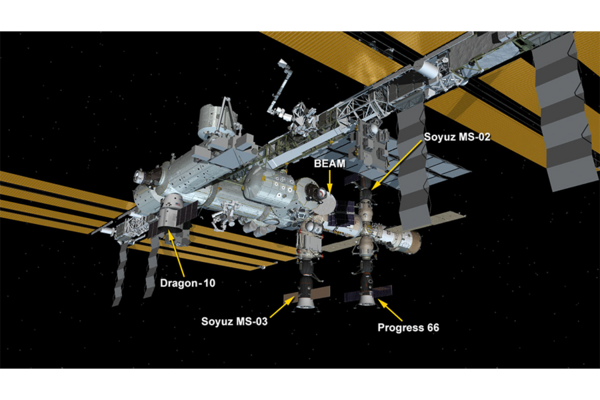 First LookWith latest ISS docking, SpaceX settles into its supply ship roleNow on its 10th re-supply mission, the private space company has become an essential part of the supply lines supporting an increasingly intricate space operation.
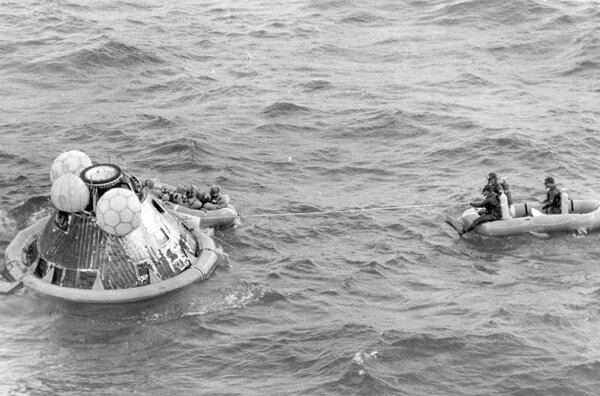 First Look46 years later, Apollo 11 hits the road againAfter finding its home at the Smithsonian in Washington for more than four decades, the command module of the historic moon landing spacecraft Apollo 11 is going on 'a road trip.'
 First LookJeanette Epps set to become first African-American astronaut on ISS Expedition crewJeanette Epps is slated to become the first African-American member of the expedition crew aboard the space station. But the African-American women who came before her forever shaped the American space program.
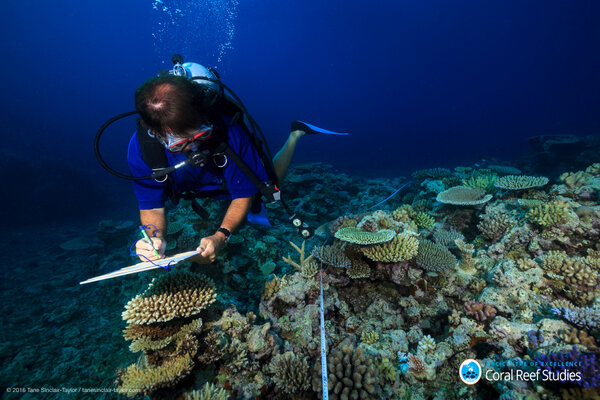 First LookAustralian scientists ask tourists: Help us track the health of coral reefsAs the seas around the Great Barrier Reef warm, the government hopes that more data can build support for policies to protect the coral from more die-offs.
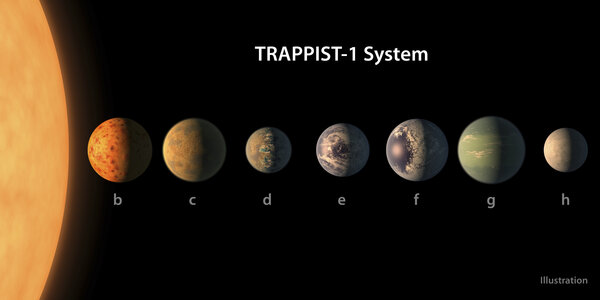 Exoplanet update: Discovery of seven Earth-like planets heats up search for lifeSeven newly discovered Earth-sized exoplanets may have the right size and location for life, say scientists 鈥撀燽ut could life survive their star's harsh ultraviolet radiation?聽
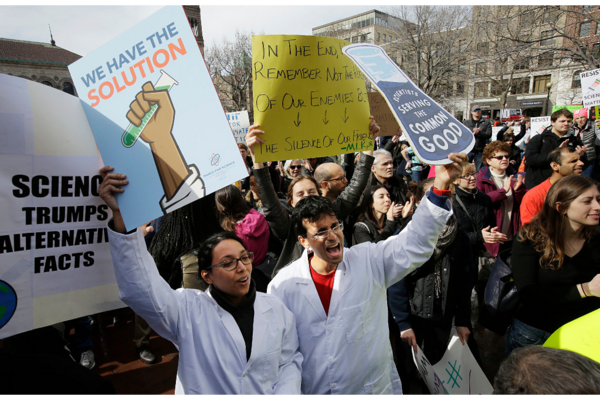 In a time of division, could science find a way to unite?At an annual gathering, concerned scientists discuss how to navigate distrust and make science for everyone.
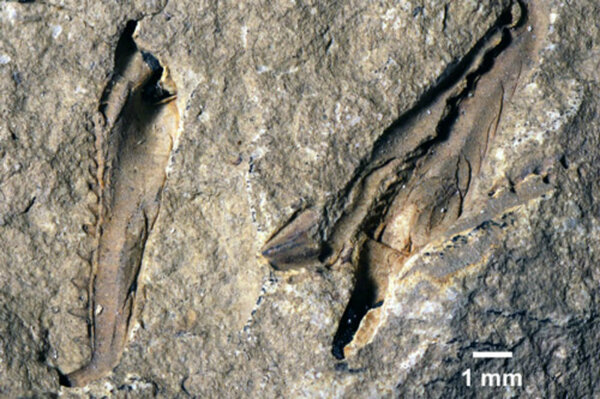 First LookWhy did this ancient worm have such huge jaws?Scientists say this example of 'giantism' in a 400-million-year-old marine worm is a surprising find.聽