All Science
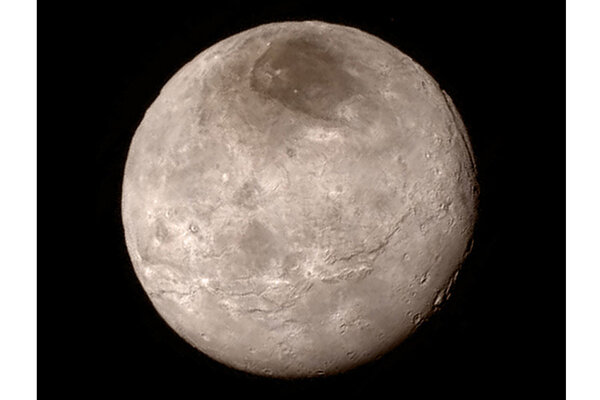 Spectacular Pluto photos just the beginningScientists are analyzing聽a treasure trove of data from NASA's New Horizons space probe, which conducted its historic flyby of Pluto on Tuesday morning.
 Stunning images of Pluto and Charon: Not just ice balls anymoreImages of Pluto and its largest moon Charon, released Wednesday, show complex worlds with spectacular surface features that rival anything found elsewhere in the solar system.
 Suck it up: Carbon capture technologies may be able to remedy climate changeScientists are developing new devices that can literally suck carbon dioxide out of the atmosphere. They say that this carbon capture and storage is a necessary tool for avoiding catastrophic climate change.
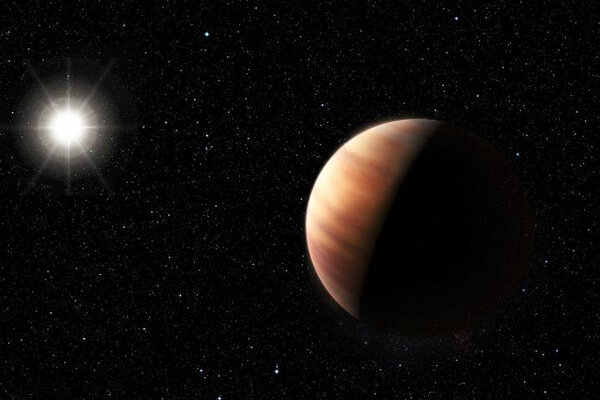 Science NotebookAstronomers discover 'Jupiter 2.0.' Could Earth 2.0 be next?A planet and star closely resembling Jupiter and our sun have been spotted, leading scientists to believe there could also be an Earth-like planet out there.聽
 What's a pentaquark? And why is this tiny particle a big deal?The new discovery of a pentaquark by the Large Hadron Collider validates a 50-year notion about the nature of matter.
 Pluto flyby: New Horizons phones home, confirms more data is comingNASA is slated to unveil the first closest-approach image of Pluto Wednesday afternoon. The data that New Horizons returned just before it went radio silent for closest approach have left mission scientists eager for additional details.
- Are human hands really more primitive than chimp hands?Human hands have changed very little over the past 6 million years, says a new study, while chimps and orangutan hand structures have evolved notably.
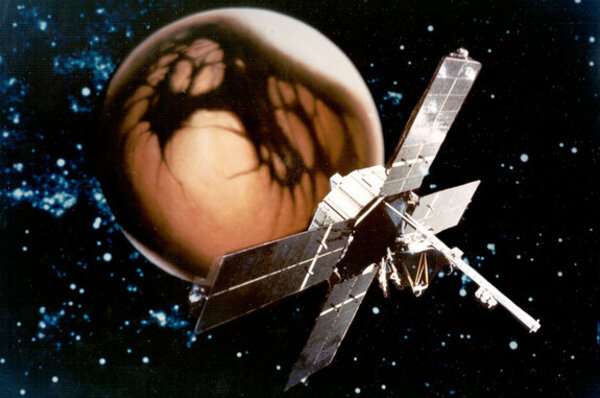 Pluto flyby marks 50th anniversary of first Mars encounterNASA's New Horizons probe flew by Pluto exactly 50 years after its Mariner 4 probe gathered the first up-close images of Mars.
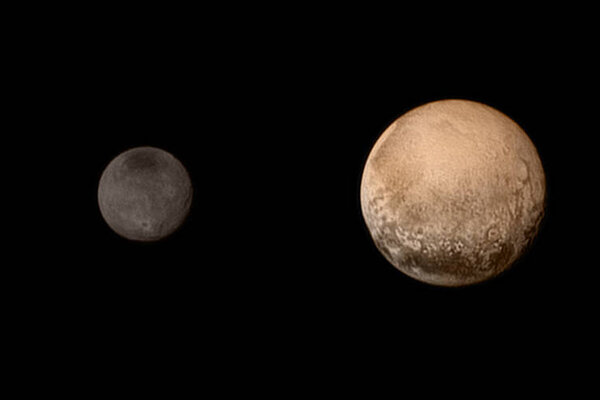 Could Pluto ever be a planet again?New measurements from Tuesday's New Horizons flyby show that Pluto is bigger than expected 鈥� it's one-fifth of Earth鈥檚 diameter. Is that enough to make it requalify as a planet?
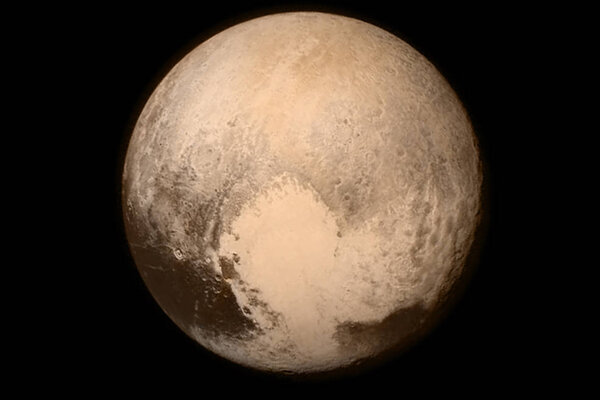 Applause from 3 billion miles away as NASA waits for New Horizons to phone homeThe New Horizons spacecraft cemented its place in space-exploration history Tuesday 鈥� scientists think. The first hard evidence that the craft survived its flyby of Pluto won't come until shortly after 9 p.m.
- Meet the pentaquark, the Large Hadron Collider's newest discoveryScientists at CERN, the聽European Organization for Nuclear Research, say that they have detected an elusive subatomic particle first proposed in the 1960s.
 How scientists accidentally discovered 50-million-year-old underwater volcanoesGeoscientists say this cluster of four extinct volcanoes could be the first of many surprising underwater discoveries, thanks to powerful new technology.聽
 Google Doodle commemorates first Pluto flybyOn Tuesday morning, NASA's New Horizons probe zipped by Pluto, becoming the first mission to do so.
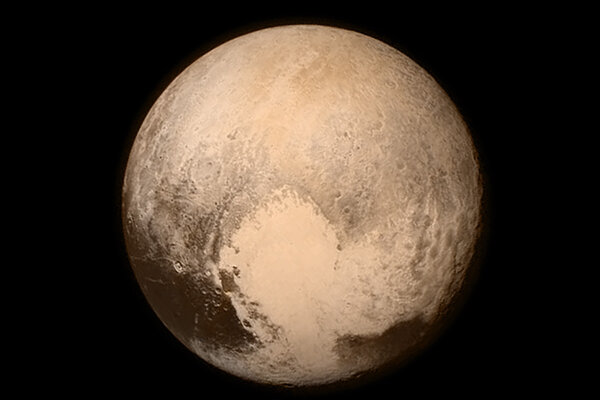 New Horizons flyby: Why Pluto mattersNearly 10 years and more than 3 billion miles later, the New Horizons mission completes the historic flyby of Pluto.
- NASA probe to arrive for Pluto close-up on TuesdayAfter a spending a decade getting to Pluto, NASA's New Horizons spacecraft is poised to make its closest approach to the dwarf planet.
 Why do we love Pluto?Pluto's distance from Earth endows it with the allure of the mysterious, and its diminutive size gives it the charm of an underdog.
 Pluto is bigger than we thought, say scientistsAs NASA's New Horizons probe makes its historic flyby of Pluto, scientists are realizing that they underestimated its size.
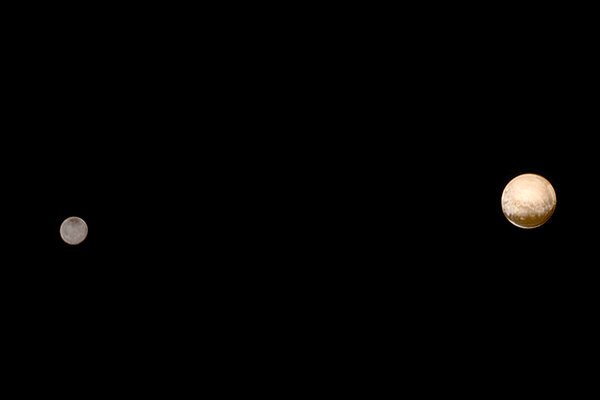 Why does Pluto look as though 'someone painted it for a Star Trek episode?'Ahead of Tuesday's historic flyby, NASA's New Horizons spacecraft has already delivered data that 'is a gift for the ages.' Among the discoveries: Pluto is bigger than previously thought.
 Why is the West Antarctic ice sheet melting? It may not be just global warming.Scientists found a way to measure the heat of the land under the ice sheet and discovered it was higher than estimated, suggesting climate change may not be the sole culprit melting the ice.
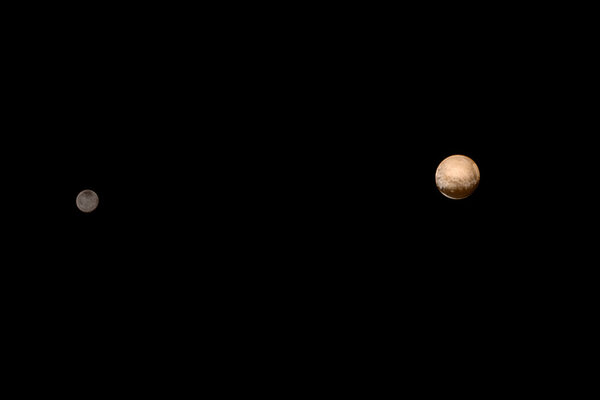 Pluto in T minus 24 hours: Four surprising facts about the dwarf planetIn less than day, a decade-long journey will culminate with NASA's New Horizons probe approaching within 6,200 miles聽of Pluto's surface.