


All Middle East
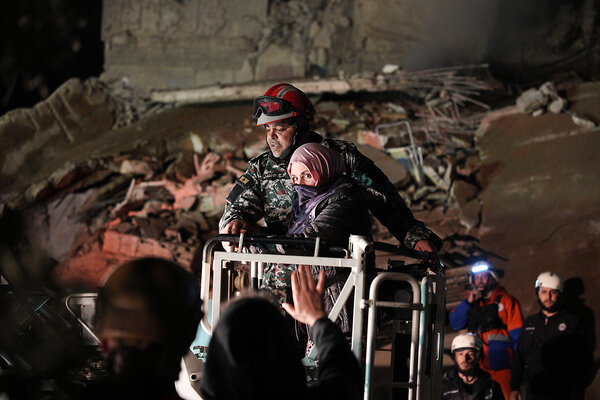 In Lebanon, history gnaws at Israelis: Has force alone brought security?Unaffected so far by the U.S.-Iran ceasefire, the battle to disarm Hezbollah in Lebanon has been shaping up to be a main focus of Israelis, renewing the debate: Can force alone deliver security, or does the absence of a political strategy risk open-ended conflict?
 鈥楾here are no winners鈥�: Globe races to defuse Iran conflictBefore the Iran war, regional powers were rushing for a diplomatic solution to rising tensions between the U.S. and Iran. Now, facing President Donald Trump鈥檚 threats of a civilization鈥檚 obliteration, those efforts are at a global peak.
 Saudi Arabia hopes diplomacy works with Iran. It鈥檚 also preparing for a military response.Saudi Arabia hoped that diplomacy would prevent war with Iran. Having come under Iranian attack, the Saudi government is now exploring its own military options.
 Despite war, Iran鈥檚 machinery of intimidation keeps protesters at bayThe U.S. and Israel aimed vast destructive power at regime targets in Iran. But the Islamic Republic鈥檚 true believers in the IRGC and Basij militia are operating diligently聽鈥� and without observed defections 鈥� to intimidate any Iranian who might heed the call to rise up.
 Meanwhile, in Saudi Arabia, life calmly goes on amid Iran warIn stark contrast with residents of other Arab countries in the Gulf region, Saudis exhibit a decidedly blas茅 attitude toward the U.S.-Israel war with Iran. Conversations focus on jobs and the economy and reveal faith in their government鈥檚 ability to provide security.
 In Israel, outrage rises over wartime settler violence in West BankUnder cover of the Iran war, settler extremists have increased violent attacks against Palestinians in the West Bank. A range of Israeli leaders, from rabbis and former diplomats to Benjamin Netanyahu鈥檚 hand-picked military chief of staff, are raising their voices in condemnation.
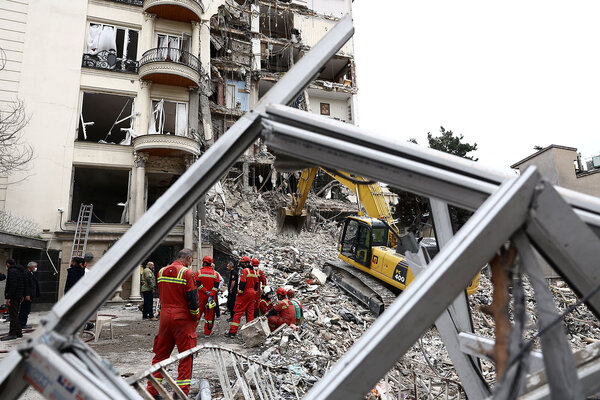 Iranian rulers fought to survive. They found leverage en route to an endgame.The Iranian military鈥檚 destructive capacity is far from that of the United States and Israel. Yet its asymmetric strategy, including closing the Strait of Hormuz, has given it the confidence to issue its own demands. What that means for ending the war, and the aftermath.
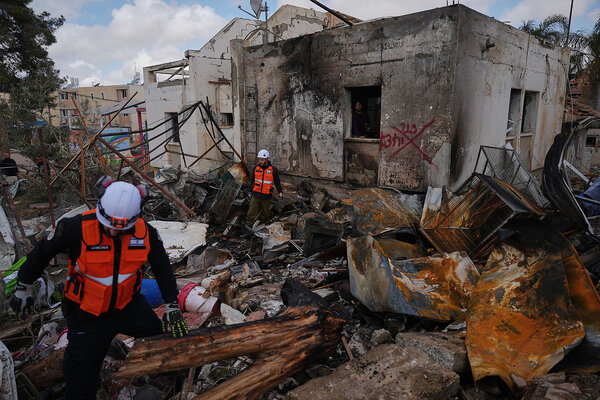 First LookIran threatens to 鈥榗ompletely鈥� close Strait of Hormuz after Trump ultimatumThe United States and Iran are threatening to target critical infrastructure as the war in the Middle East puts lives and livelihoods at risk.聽
 Why Hezbollah fighters are embracing an unpopular and costly war with IsraelIn Lebanon, Iran ally Hezbollah has plunged into a battle with Israel that its rank and file has embraced as existential. Yet the regional conflict involves far larger powers with much higher stakes, and how Hezbollah emerges and what it achieves might be out of its hands.
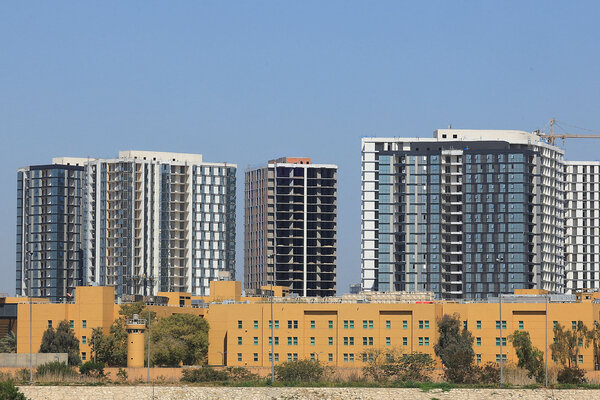 Iraq was enjoying newfound peace and prosperity. Then came the Iran war.After decades of conflict, Iraqis have enjoyed increased political stability and a promising future, even embracing a unified national identity. But attacks by Iran, the United States, and homegrown militias are tugging at the divides that had held Iraq back.
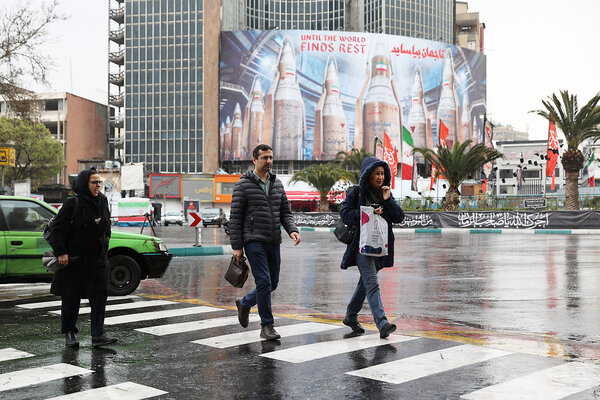 Caught between unremitting attack and unyielding regime, Iranians try to copeIsrael鈥檚 killing of Ali Larijani, a pivotal Iranian leader, served only to escalate the crisis atmosphere that Iranians are feeling: How to cope and envision a future, while facing crushing U.S.-Israeli attacks and a rigid regime that sees protesters as 鈥渏ust like the enemy.鈥�
 War, and more war. Israelis support defeating Iran, but they are exhausted.After nearly 2 1/2 years of intermittent war, with sirens, dashes to shelters, and sleepless nights 鈥� 鈥渢his madness that is our new normal鈥� 鈥� Israelis acknowledge war fatigue鈥檚 toll even as they want arch foe Iran to be defeated.
 Iran strikes neighbors with missiles and drones. Ukraine shows how to fight back.Iran has shown they can do a lot of damage to United States and Israeli assets 鈥� and regional allies in the Gulf 鈥� via missile and drone attacks. Ukraine can help stop it.
 For Ukraine and Russia, widening Iran war presents peril and possibilityFrom soaring oil prices to depleted interceptors, the Iran war鈥檚 impacts reverberated quickly in the Ukraine conflict. And the needs of the Mideast combatants聽鈥� intelligence and anti-drone measures聽鈥� have created diplomatic and strategic openings for both Russia and Ukraine.
 First LookWhat to know about Iran鈥檚 islands, as the US expands its bombing campaign thereThe islands off Iran have become the latest focus of the war after a U.S strike destroyed military sites on Kharg Island. The string of islands are critical to Iran's oil industry and its national security.
 How the war in Iran is putting vital water resources in jeopardyThe war in Iran has shocked global energy markets, but it鈥檚 also putting precious water resources in the Gulf region under threat.
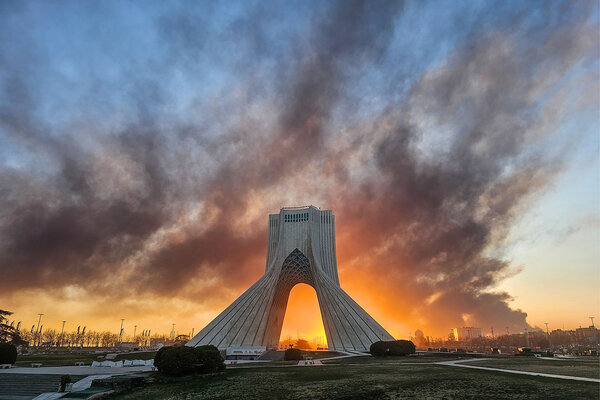 How Iran is trying to end war with US and Israel on its own termsIf the United States expected Iran to capitulate by now, it refuses to do so. Instead, it is pursuing a survival strategy of fighting on and selecting targets to raise the war鈥檚 costs so high that the U.S. and Israel would think twice before attacking again.
 Netanyahu called for regime change in Iran, but will he settle for less?Israel鈥檚 Benjamin Netanyahu has been consistent in stating his Iran war aim: regime change. But can he declare victory without it? 鈥淎n exit strategy needs to be realistic,鈥� cautions one Israeli analyst. 鈥淏ecause if it is not realistic, there is no exit.鈥�
 This Ramadan, Jordanian hospitality welcomes travelers stranded by warJordanians are inviting stranded foreigners to break-the-fast evening Ramadan meals amid the stress of war.
 Signaling defiance, Iran鈥檚 regime rallies around a younger KhameneiChoosing continuity amid war, Iran named Mojtaba Khamenei to succeed his father, despite President Donald Trump鈥檚 criticism and Israel鈥檚 threats. He has a hard-liner鈥檚 pedigree, but will his tenure be confrontational, or seek to broaden internal support for the regime?
