Sticking points over costs and priorities are complicating lawmakers鈥� efforts to pass expansive legislation.
Humanoid robots are evolving and are expected to be the future of automation.
This year鈥檚 World Cup, the biggest ever, may not look quite the same as it has in years past, thanks to more hosts, more teams, and more newcomers.
Between sky-high ticket prices, combatant competitors, and immigration enforcement worries, World Cup 2026 seems to have more than its fair share of issues.
Young people are finding fulfillment in filling out the iconic grids. We puzzle out the pastime鈥檚 history and what鈥檚 behind its renaissance.
The fatal shooting at a San Diego mosque this week comes amid a rise of incidents of hate or prejudice against Muslims in the U.S. The attack also renewed attention on how young people are radicalized online and prevention efforts.
President Trump has released 161 UFO files to the public, citing the need for transparency. But critics view the release as a play to a conspiracy-curious base.
Elon Musk's lawsuit against OpenAI, a company he co-founded, claims its leaders went back on a promise to be a nonprofit. The trial begins April 27.
Constitutional reform is something Japan鈥檚 ruling party has long debated, but never been able to accomplish. Now, the country鈥檚 prime minister is using her popularity to push the matter forward.
Keir Starmer became British prime minister in 2024, promising to bring stability to the U.K. Now he is under pressure to resign, accused of misleading the public.
Senate Republicans are trying to end the DHS shutdown by using reconciliation to get past Democratic opposition to funding immigration law enforcement.
Washington and Tehran are testing the boundaries of international laws that have managed the seas remarkably well, protecting freedom of navigation and facilitating a global economy.
President Donald Trump has made threats toward Iran that, if he followed through, might be considered war crimes. Who defines a war crime, and who enforces it?
Recent Jeffrey Epstein files releases have brought his New Mexico property, Zorro Ranch, into focus as investigators try to determine whether crimes occurred there.
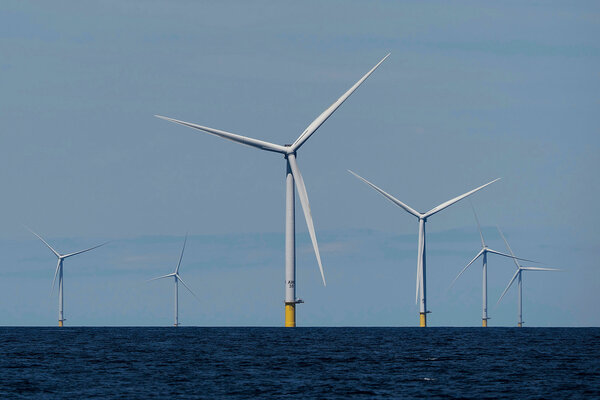
The Trump administration鈥檚 deal to pay TotalEnergies to shift from wind farms to U.S. fossil fuel investment appears to be a novel use of taxpayer funds. It also fits within a broader White House effort to restrict the offshore wind industry.
The dispute between Anthropic and the U.S. government highlights tension between development in artificial intelligence, and how the technology is used.
The giant U.S. Navy is ill-prepared for removing sea mines, and allies have been reluctant to help with opening the Strait of Hormuz amid war in Iran.
The U.S.-Israeli attacks on Iran have had wide impacts on the Middle East and beyond. They've also burned through a chunk of U.S. weapons stockpiles.
Senate Republicans could use a talking filibuster to try to pass the SAVE America Act, but Majority Leader John Thune has said he won't use the strategy.
A key question for the global economy is how quickly the Strait of Hormuz will be opened for oil tankers 鈥� either through force or by ending the war.
An unusual interpretation of immigration law has pitted refugees in Minnesota against the Trump administration over their legal status.
The release of documents surrounding sex offender Jeffrey Epstein has stirred massive media attention, but much of the evidence is inconclusive. The challenge is sifting facts from a frenzy of speculation.
Republicans in Congress have a new strategy to advance the SAVE America Act, which would significantly change how Americans vote in federal elections.
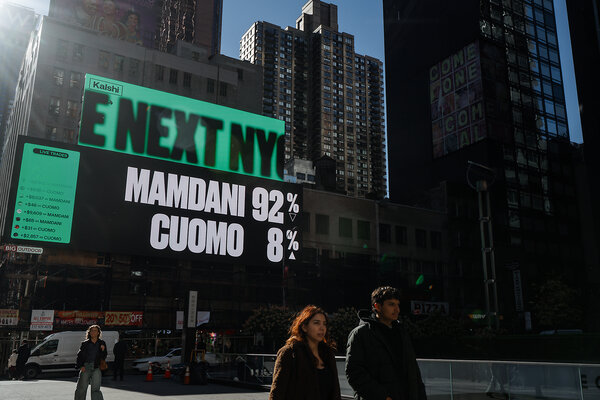
As prediction markets boom, target events like the Super Bowl and the Olympics show why this form of online betting is both popular and polarizing.
After the fatal shootings of two U.S. citizens in Minneapolis, members of the public and lawmakers are looking for more information about when local and federal law enforcement can use force and how incidents are investigated.