


All Environment
 What we can learn from watching video of coral lose its colorFor the first time, Australian researchers have caught coral bleaching on camera.
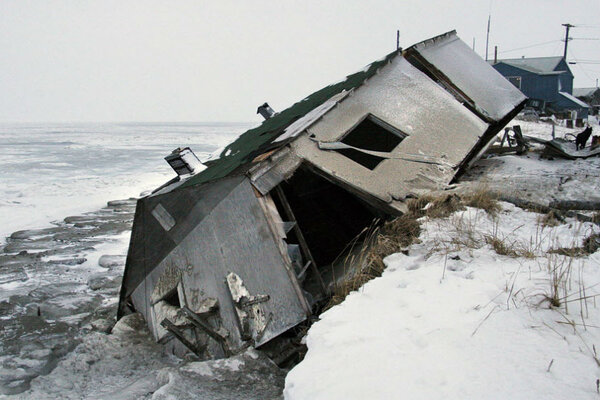 First LookWhy an Alaskan village voted to leave ancestral home behindResidents of Shishmaref, Alaska, might finally pack and move, though this is their third vote to relocate as rising sea waters continue to erode the village's shores.
 First LookScientists say pesticides are bad for bees. Are retailers listening?According to a new report, retailers are phasing out bee-harming pesticides in their products.
 Do we need a 400-mile hiking trail inspired by Alice the Moose?The A2A Collaborative aims to create a seamless connection between two major parks in the United States and Canada.
 Louisiana floods: Is this what climate change looks like?Climate change rears its head in Louisiana, where the eighth聽major storm in the US in 15 months hit on Friday.
 First LookHow climate change will determine where the Olympic Games are heldGlobal warming may severely limit the potential host cities for Olympic Summer Games in the next 50 years.
 First LookAs Earth warms, Americans more polarized than ever on climateJust as scientists are warning that our planet's climate is set to overshoot critical thresholds, Americans have become more divided than ever along partisan lines over global warming.
 Giant piranha relatives invade the US, but at least they're vegetariansSome anglers in the Great Lakes have been surprised to bring up the pacu fish, a tropical cousin to the South American piranha. Pet owners sometimes dump the fish when they grow too large, but better solutions exist.
 First LookZookeepers play nursemaid to hundreds of baby Monserrat tarantulasThe mysterious聽Montserrat tarantulas were bred in captivity for the first time at the Chester Zoo in England.
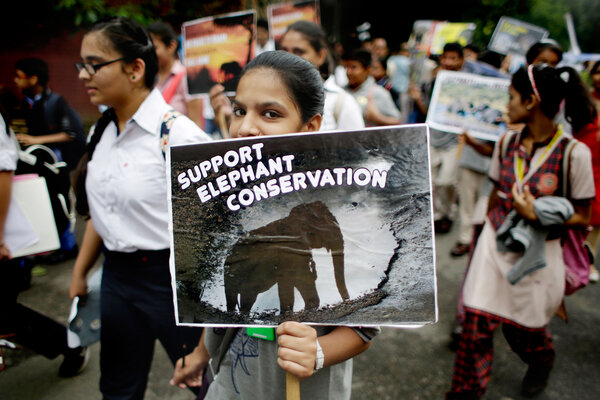 First LookWorld Elephant Day: Why does the world need elephants?Humans love elephants for their grandeur, human-like emotions, and cognitive capacity, but the majestic beasts offer the world and its ecosystems much more than charisma, ecologists say.
 How state regulations can prevent man-made earthquakesWhen oil extraction companies inject waste water into the ground, the result can be rattling. Literally. State governments are now exploring regulations to reduce the number of earthquakes caused by injections each year.聽
 Tests show significant improvement in Flint, Mich. water qualityVirginia Tech researchers said 45 percent of Flint, Mich., homes had no detectable lead levels in July, compared to 37 percent in March and 9 percent a year ago.
 Will Rhode Island wind farm set course for offshore wind in US?Deepwater Wind's five-turbine wind farm off Block Island is set to be the first offshore wind farm in the United States.
 First LookHow did one volcano confuse scientists, ocean research?Mt. Pinatubo erupted just before the first sea level temperature-gauging satellite was launched in 1991. Why that matters.
 How a zoo in Oregon is helping to save a butterfly speciesOnce abundant throughout the Pacific Northwest, Oregon silverspot butterflies have dwindled because of habitat loss and extended drought. Zookeepers have been lending the species a hand.
 First LookEarth Overshoot Day falls on earliest date yetEarth Overshoot Day 鈥� marking the point in the year when we've used up more natural resources than we can regenerate 鈥� falls on Aug. 8 this year, the earliest date yet.聽
 First LookPanda-monium! Giant panda produces itty-bitty new resident at Vienna zoo.The Schoenbrunn Zoo in Vienna's Giant panda Yang Yang has given birth to her fourth cub. It's about 800 times smaller than mom.
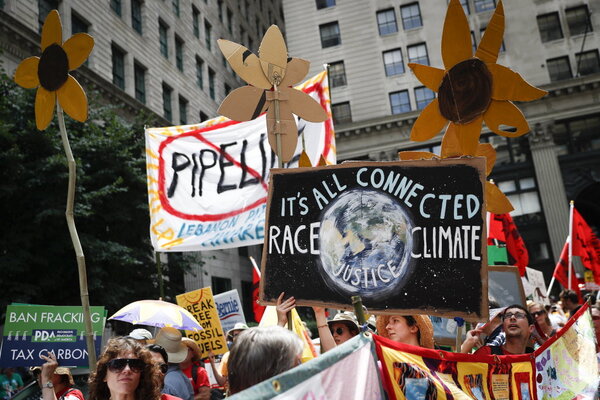 New climate change policy: Republicans object, Democrats worryA new set of 'climate-smart' guidelines clarify how government agencies must weigh the environmental consequences of their actions.
 How farmers can get to the root of climate response 鈥� literallySome agriculture experts say perennial plants can be domesticated or crossbred with annual plants, to help combat the soil erosion caused by droughts and floods. The plants' root systems are key.
 Fewer Americans doubt climate change 鈥� but confidence is up on both sidesSixty-six percent of Americans believe that there is evidence that climate change is occurring, according to a new poll. Sixty-two percent are 'very' or 'fairly' confident in their view, regardless of their position.聽
