


All Environment
 First US bees put on Endangered Species listThe US Fish and Wildlife Service聽added seven yellow-faced聽bee聽species, native to Hawaii, on the Endangered Species List.聽
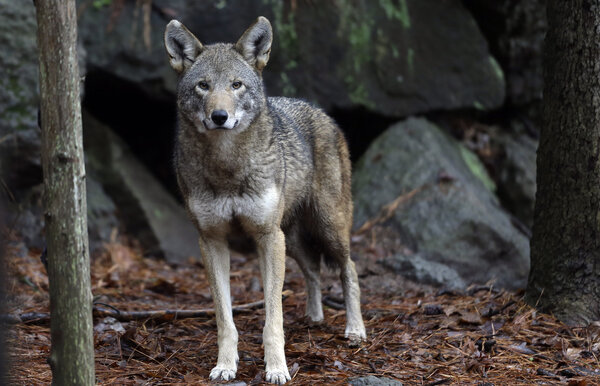 First LookUS wildlife officials have failed the world's last red wolves, judge rulesA shrinking population of red wolves in North Carolina warrant USFWS protection, argue environmentalists, with the number of individuals declining from 100 to just 45 in the past two years.
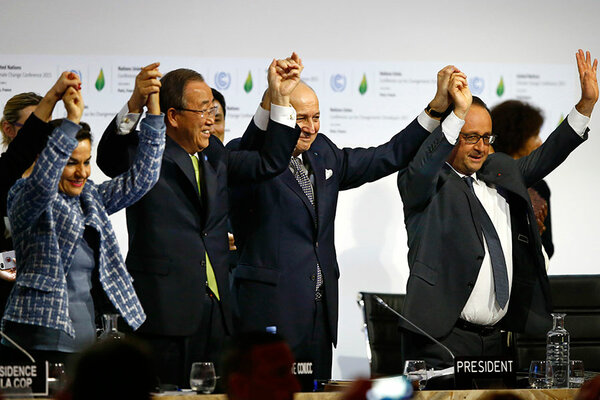 First LookEU Paris ratification: world leaders' response to the US elections?The European Union agreed to a fast-track deal for the Paris climate accord on Friday. The deal, which pushes the agreement above the ratification threshold, means the commitments will enter into law before the next US president is elected.
 Is Saudi Arabia serious about bringing back high oil prices?Saudi Arabia appears to be backing off its policy of letting low oil prices burn off a global glut. But its real motives still aren't clear.聽
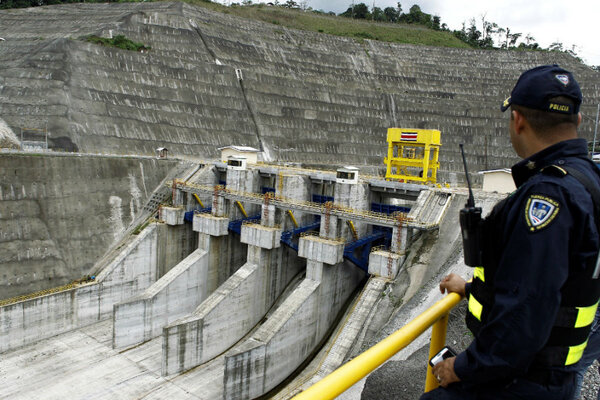 Dam reservoirs linked to methane emissions: How dirty is 'clean' hydropower?Artificial reservoirs created by dams may emit 1.3 percent of global emissions in the form of methane, says a new study. How will that affect hydropower-dependent nations?
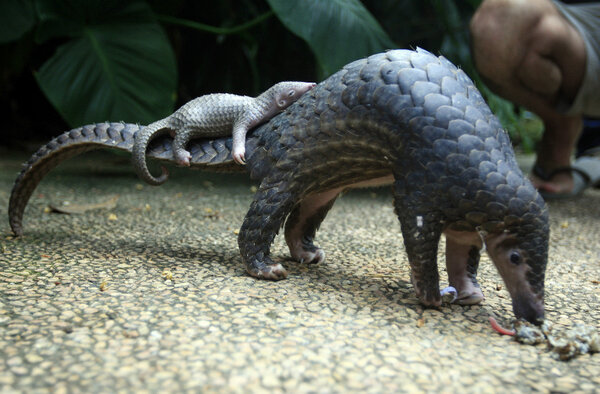 First LookTrade ban: Shy and elusive pangolin finally gets protectionUN wildlife officials have voted to ban trade in all eight species of Asian pangolins. The creature is prized for its meat and scales, which are used for medicinal purposes.聽
 First LookWhy do endangered whales keep getting entangled off New England?The right whale's numbers have been particularly affected by fishing gear, according to an August study.
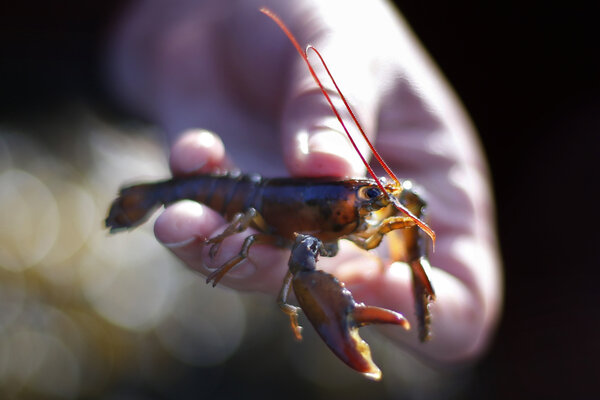 First LookAre baby lobsters cooked? Rising temperatures threaten Maine's iconRising ocean temperatures prove difficult for baby lobsters to reach maturity, scientists say. How soon could New England's lobster industry be effected?
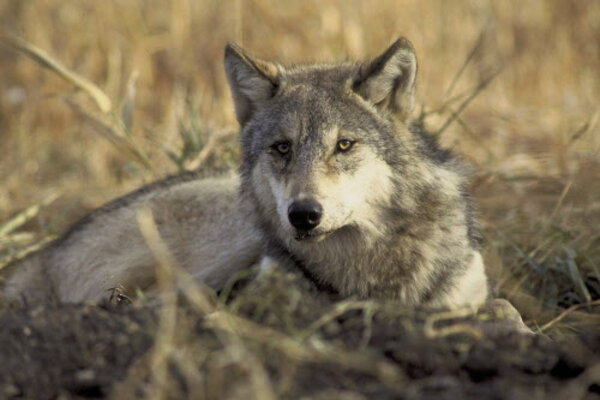 New US endangered species listing rules: A better path to conservation?US Fish and Wildlife officials say the new rule could streamline the process for listing endangered species. But can it find common ground between public land businesses and conservationists?
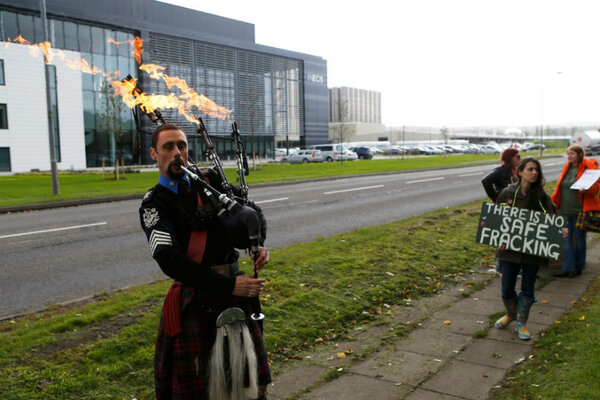 The Americans are coming! US shale gas finds a new market in BritainThe first shipment of US shale gas has arrived in Scotland. Meanwhile, there's opposition to fracking within Britain. How is this apparent contradiction being addressed?
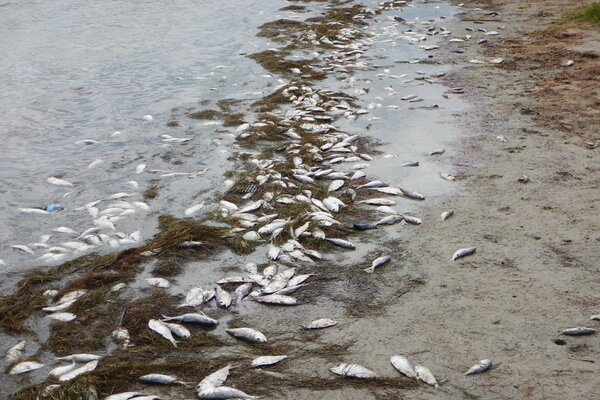 What's making all those fish off Florida's coast die?The proliferation of harmful algae blooms typically cause damage either directly by releasing toxins into the water and air or indirectly by throwing off the balance of the ecosystem through oxygen depletion.
 First LookWhy the US will probably fall short of its Paris Agreement emissions targetWith the landmark climate agreement nearing ratification, scientists are investigating how likely nations are to fulfill their pledges. One study suggests the United States, for one, may have been overly optimistic.
 Pollinators need a cultural ambassador. Are butterflies up for the assignment?Some conservationists hope to use the monarch butterfly's signature charisma to rally public support for bees and other less-loved pollinators.
 Ivory on wings: Poachers threaten Southeast Asia's 'laughing' birdThe helmeted hornbill is sought for a reddish protrusion on its beak that is similar to ivory. As elephant populations have dwindled, poachers have increasingly turned to the peculiar bird.
 When will Dunkin' Donuts scrap its Styrofoam cups?Six years after Dunkin' Donuts聽declared that replacing its Styrofoam cups is the company's top sustainability priority, efforts appear to have stalled.
 India to sign Paris accord: What would Gandhi say about climate change?On Sunday, Prime Minister Narendra Modi announced that India will ratify the Paris climate agreement on Oct. 2 鈥撀燤ohandas Gandhi's birthday.
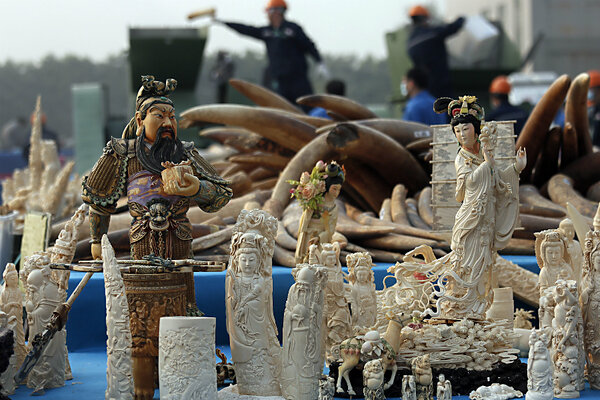 Global efforts against ivory kingpins still falling short, say expertsPoaching syndicates moved hundreds of thousands of pounds of elephant ivory in 2015, say experts, and the illegal trade 'has remained fairly constant at unacceptably high levels' since 2010.
 Global warming may mean fewer Maine lobsters, says studyScientists found that lobster larvae struggled to survive when water temperatures rose 5 degrees F. warmer than current temperatures in the Gulf of Maine, a key lobster fishing area off of New England.
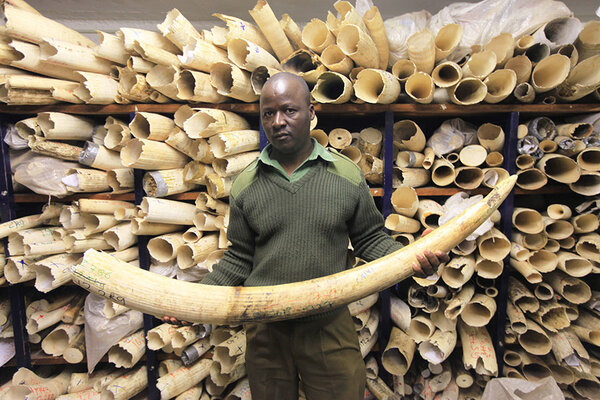 First LookWhy the UN opposes stronger elephant protectionsThe UN鈥檚 endangered species body, CITES, hopes its members will not to support stronger elephant protections, which several African countries have called for. It says these protections could actually boost the ivory trade.
 First LookGermany to acquire first hydrogen powered trainIn December 2017, Germany will become the first country to have a long-distance passenger train line powered by hydrogen fuel cells, a development in keeping with its clean power conscious reputation.聽
