


All Environment
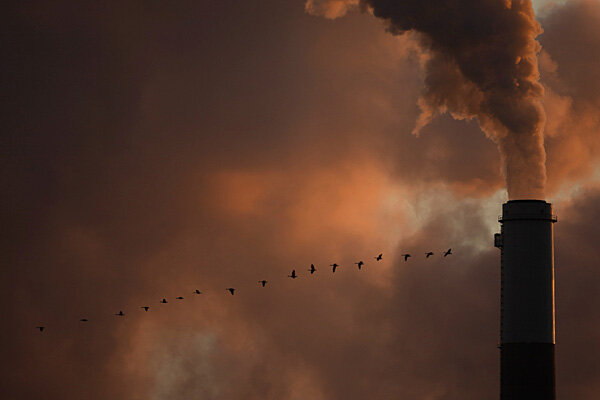 US carbon emissions fall to 18-year low. What's behind it?US carbon emissions fell in 2012 鈥� again 鈥� after peaking in 2007. The Great Recession and a boom in cleaner natural gas are widely credited as driving the reduction, but broader, longer-term shifts are also changing the way Americans use energy.
 The age of oil will not last foreverThe oil age may not be over yet, Cobb writes, but projections of shale gas and oil fueling US energy independence are vastly overblown.聽We are wasting precious time being lulled to sleep by the oil optimists when we should be preparing for a post-peak-oil world.
 Is the next oil boom under water?Snarled by safety concerns just three years ago, deepwater oil drilling may take deep pockets but it could come with deep rewards, Graeber writes.
 Japan nuclear plant radiation cleanup delayed up to three yearsJapan nuclear plant:聽Nobody has been allowed to live in the zone again yet, though the government has allowed day visits to homes and businesses in some places after initial decontamination.
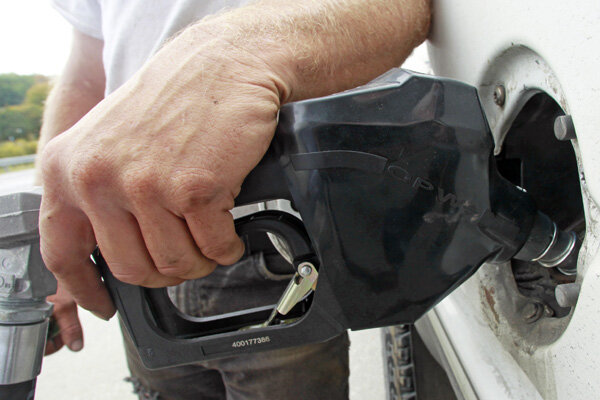 Gas prices: Will they fall to $3 a gallon?Gas prices have plateaued in the past week, but analysts expect fall's broader downward trend to pick up pace again as cooler weather prevails and demand for gas dwindles. National gas prices are likely to get tantalizing close to 鈥� but not quite at 鈥� $3 a gallon. 聽
 Architecture meets energy efficiency in future of solar homesHow do you design an attractive, effective, and energy-efficiency solar-powered house? Victor Olgyay, director of Rocky Mountain Institute's building practices, offers some tips.
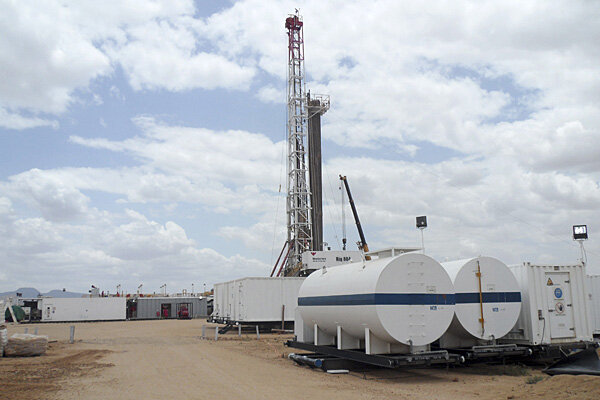 Kenya: the future of African oil?Kenya is on a fast track to be the聽darling of East Africa from an oil investor鈥檚 perspective, Stafford writes.聽Kenya is set to soar past Uganda, which discovered oil much earlier, but is now having a hard time getting it out of the ground and into the market.聽
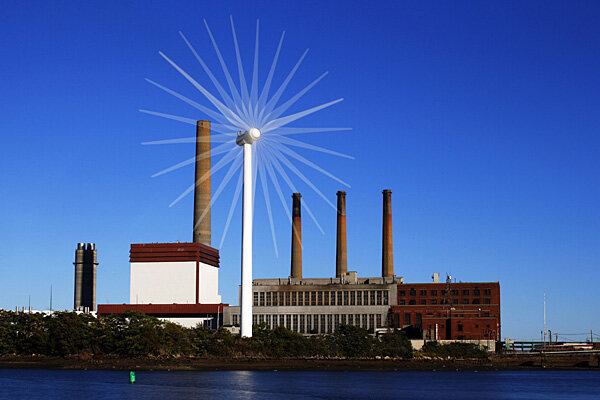 How the 1973 oil embargo saved energyForty years ago this month, Arab members of the OPEC oil cartel cut off oil exports to the West. In the decades that followed, the US saw a dramatic boom in energy efficiency.聽Amory B. Lovins, chief scientist and cofounder of the Rocky Mountain Institute, reflects on how it happened.
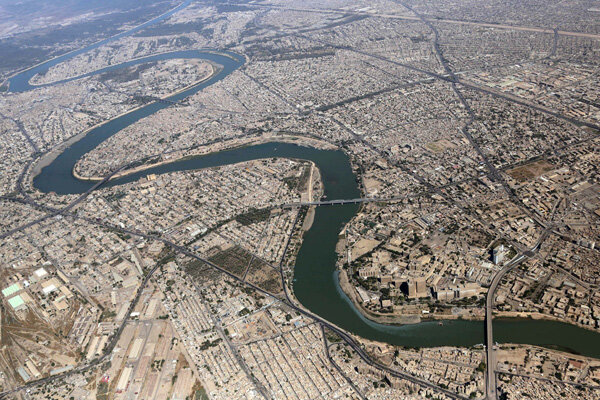 Dammed, dirty, drained by war: can Iraq's Tigris River be restored?Nature Iraq wants to restore the Tigris, which contributed to the birth of agriculture about 7,000 years ago, to its free-flowing, clean former self. The environmental group is swimming upstream.
 Oil spill puts North Dakota back in the spotlightIt could be years before the oil spill in North Dakota is cleaned up, a process the pipeline's operator estimates will cost about $4 million. While North Dakota's production will likely remain unscathed, how it copes with these new challenges may be a factor in its oil legacy, Graeber writes.
 What oil-hungry China means for the rest of the worldAs Chinese oil imports grow, Beijing聽will increasingly depend on global markets to satisfy its ever-growing oil demand. This necessitates further engagement with the international system to protect its interests, encouraging a fuller integration with the current liberal order, Johnston writes.
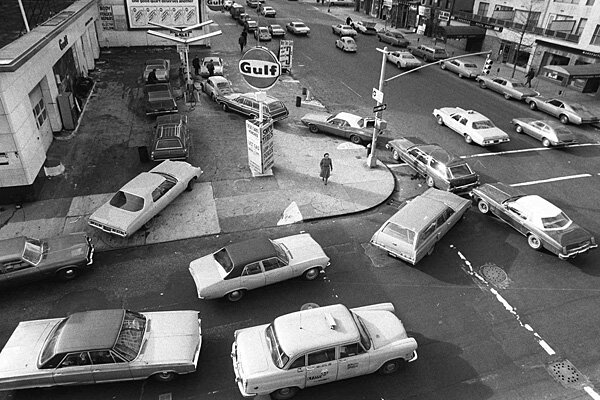 Three reasons US is better off 40 years after Arab oil embargoFour decades after the 1973 Arab oil embargo, the US has more efficient cars, a strategic oil reserve, and a homegrown energy boom that is reducing its reliance on OPEC oil. But oil prices remain high and some see the nation's newfound resource wealth as a boom that will eventually go bust.
 Forget Solyndra. Clean energy is hot again.A number of big institutional investors see risks declining in clean energy and returns that are higher than junk bonds. As a result, clean-energy stocks have soared. Is it too late to get in?
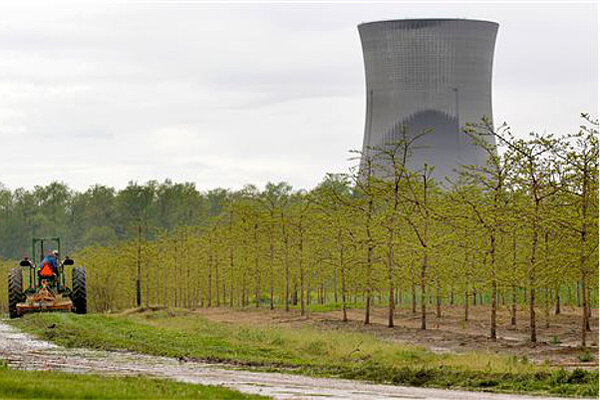 Nuclear power plants: Uneven enforcement suspected at nuclear plantsNuclear power plants: Some regions have many more safety violations than others, suggesting inconsistent enforcement of nuclear power plant regulations, according to a GAO study.
 Much ado about shale gas, but coal is still kingA boom in US energy production has mades shale natural gas and tight oil the talk of the energy industry. But coal聽is still the fastest-growing source of energy in the world and is the primary source of fuel for electricity, according to the International Energy Agency.
 Landmark case? Supreme Court to review EPA regulation of greenhouse gases.The Supreme Court said Tuesday it would take up six petitions seeking review of EPA actions regarding greenhouse gases. But it will not take up the agency's so-called endangerment finding.
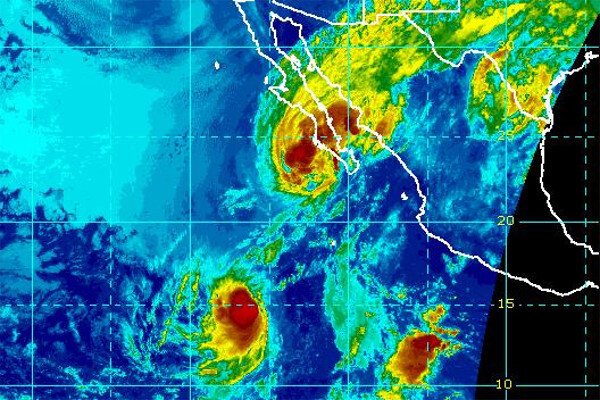 Tropical storm Octave approaches Baja California: Arriving tomorrow?Tropical storm Octave is weakening as it nears the Mexican coast, say experts, but tropical storm Octave still has maximum sustained wind speeds up to 60 mph.
 Renewable fuel standard: Are we nearing a compromise on ethanol?The Environmental Protection Agency's mandate on biofuels has stirred strong opinions from farmers, renewable fuelmakers, and traditional oil companies. Is there room for compromise?聽
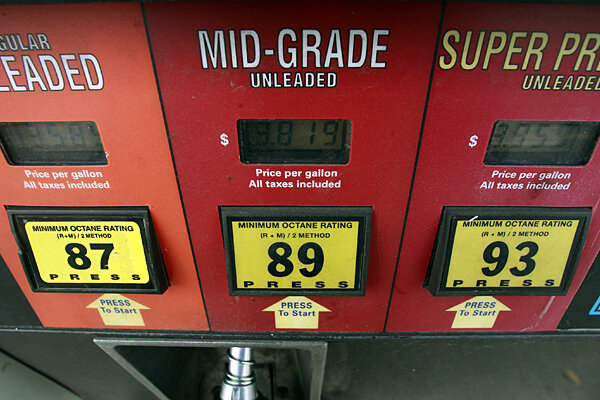 Why gas prices drop in autumnFall almost always brings relief at the gasoline pump. Pundits frequently notice this phenomenon during election years, and assume that vested interests are trying to manipulate prices to win elections, Rapier writes. But there is a more straightforward explanation to what鈥檚 going on.
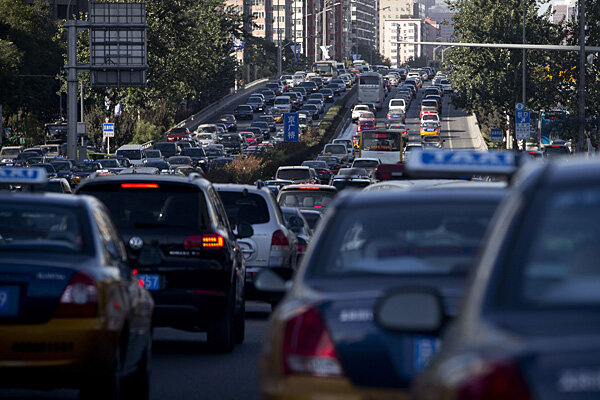 China drives its way to No. 1 oil importer, overtaking USChina has topped the US as the biggest importer of oil in the world, according to government data released this week. It's more evidence of China's economic growth and America's shale drilling boom and increased efficiency, which has reduced its reliance on foreign oil. 聽
