


All Environment
 How to prevent the sixth mass extinctionSixth extinction: Human beings are currently causing the greatest mass extinction of species since the extinction of the dinosaurs 65 million years ago, says a new study.
 Why $700 million to save salmon may not be enoughA court hearing Tuesday will challenge to the $700 million salmon聽habitat restoration effort in the Columbia River Basin. Critics say four dams need to be removed.聽
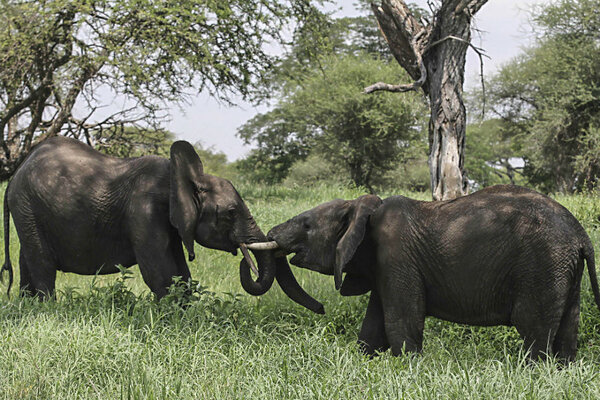 Can DNA technology help put a stop to elephant poaching?Scientists have discovered a new DNA technology that could help crack down on the illegal trade that is destroying the African elephant population.聽
 Why Russia's state oil company is helping VenezuelaLow oil prices have left oil mega-producers like Russia and Venezuela reeling, writes Nick Cunningham. Now, Russia's state oil company is giving Venezuela's state oil company a loan to boost production.
 How elephant tusks, dung, and DNA research can help preserve the speciesDNA research is giving researchers a map of hot spots for poaching that can help law enforcement target resources to contain and shut down illegal slaughter of elephants.
 This country just became the world's No. 3 oil importerIndia offers a fast-growing market for oil from the Middle East, writes Charles Kennedy. The developing country's growing appetite for crude comes as Chinese demand is slowing.
 US proposes new carbon limits on trucksThe Obama administration has unveiled new rules that would lower carbon dioxide emissions from medium- and heavy-duty trucks.
 Leonardo DiCaprio, Mark Ruffalo launch clean energy pushMovie stars Leonardo DiCaprio and Mark Ruffalo are partnering on '100%', a campaign aimed at making renewable energy affordable and available to everyone.
 Climate change turning sacred land against NavajoA 19-year drought in Navajo Nation is stretching an already struggling people. But the climate change is also highlighting their endurance and ingenuity.
 Pope Francis urges strong action on climate changePope聽Francis framed climate change as an urgent moral issue in his eagerly anticipated encyclical, blaming global warming on an unfair, fossil fuel-based industrial model that harms the poor most.
 North Korea drought is the country's worst in a century, officials sayA North Korea drought is the worst the country has experienced in a century, according to North Korean officials.
 Why US oil train traffic is fallingBooming US oil production in recent years encouraged producers to ship their crude by train, writes Charles Kennedy, but a slump in prices and increased pipeline capacity have made rail transport less appealing.
 NASA water data shows overstressed basins across the worldA third of global groundwater basins are overstressed, according to new satellite data from NASA.
 Oozing oil in lake: How to fix a decades-old leak?The government is looking into solutions to a Michigan lake that has had oil oozing into it for more than two decades.
 Think US is world's top oil producer? Think again.Media outlets appear to be taking dictation rather than asking questions about which countries produced the most oil in 2014, Cobb writes.
 With oil cheap, Saudis open stock market to foreign investmentSaudi Arabia is looking for an economic boost by opening its stock market to foreign direct investment. The OPEC mega-producer, which relies heavily on oil revenue, is weathering a low oil price environment.
 ADB: Asia must boost clean energy investmentAsian countries have come a long way on clean-energy development, the Asian Development Bank said Wednesday. But lower oil prices offers a chance to cut fuel subsidies and boost renewables.
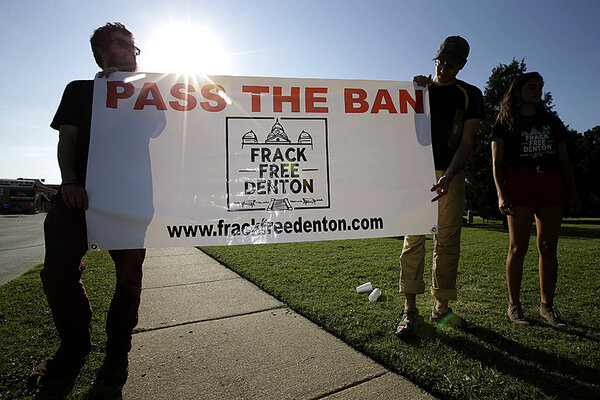 Texas city drops voter-approved fracking banLast November, voters in Denton, Texas approved a ban on hydraulic fracturing amid environmental concerns. Now, the Denton City Council has voted to drop the ban.
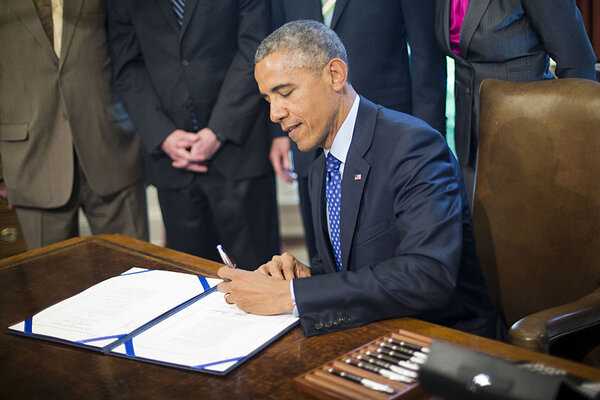 Barack Obama's climate change initiative: $4 billion for clean energyThe White House unveiled Tuesday $4 billion in private-sector investment commitments to clean energy, doubling expectations.
 Renewables could dominate world electricity by 2030Renewables could surpass coal, natural gas, and nuclear as the world's top electricity source in 15 years, according to an IEA report. Still, without bolder emissions cuts, the world is on track to blow past its global warming targets.
