All People Making a Difference
 Tropical Storm Isaac triggers microinsurance payment to Haiti's budding entrepreneursIn Haiti, an inexpensive insurance plan helps ensure that female entrepreneurs won't be wiped out by a tropical storm.
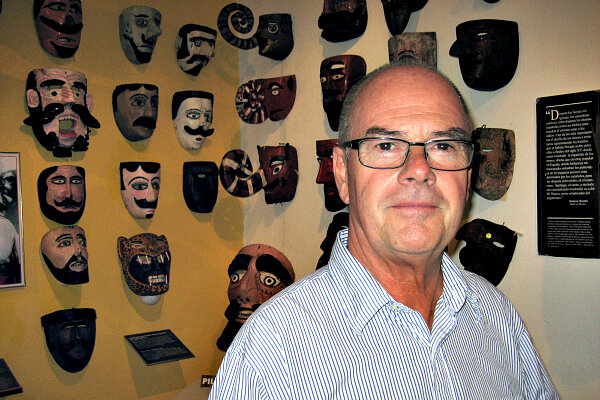 Preserving Mexico's folk art masksBill LeVasseur has collected hundreds of Mexican masks from remote villages that now hang on the walls of his museum in San Miguel de Allende. He's singlehandedly preserving a piece of Mexican culture that few realize is still thriving today.
 Six solutions to lifting the world's farm workers out of povertyAgriculture will not be viable while the vast majority of its workforce lives in poverty. Innovative changes can break the cycle of poverty.
 A 'Source to Sea Cleanup' for New England's longest riverOn Sept. 29 thousands of volunteers will spread out along the banks of the Connecticut River collecting tons of plastic bottles, cans, food containers, and other trash.
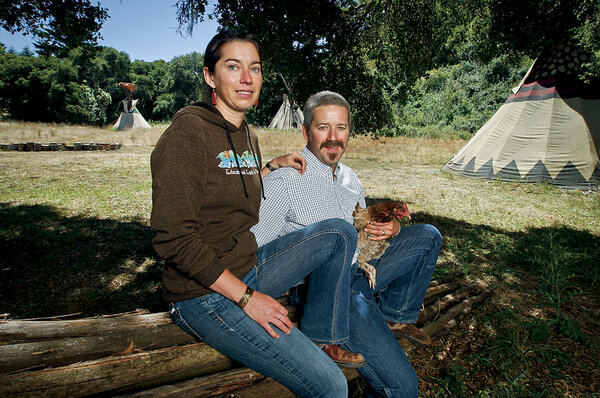 Difference MakerLaura and Shawn Sears give inner-city kids an educational camp experienceOn northern California's spectacular coast a free camp for low-income children provides hands-on science education and team building 鈥� along with 'nonstop fun.'
 Marrying cash and change: Social 'stock markets' spread worldwideIn social-investment exchanges, donors choose what projects to 'invest' in. But the return is in the form of social good, not cash.
 Pitcher irrigation brings vegetables to Pakistani desertPitcher irrigation 鈥� in which buried clay pots release water into the soil 鈥� delivers water directly to plant roots rather than spreading it more widely across fields.
 A cross-border park spurs water cooperation in southern AfricaThe decade-old Great Limpopo Transfrontier Park was formed through the cooperation of three nations and has reduced conflicts over natural resources, especially water, while protecting wildlife.
 SOIL turns human waste into compost in HaitiRural residents of Haiti most easily see the benefits of composting human waste, says Sasha Kramer, the co-founder of SOIL.
 Cities turn to innovative 'green infrastructure'From Seattle to Sweden, city and regional governments are using roof gardens, specially designed wetlands, and other forms of 'green infrastructure' to rein in pollution 鈥� and to save money.
 Africa's entrepreneurs on the riseAfrica is booming with young entrepreneurs, but they don't always operate like their counterparts in the US.
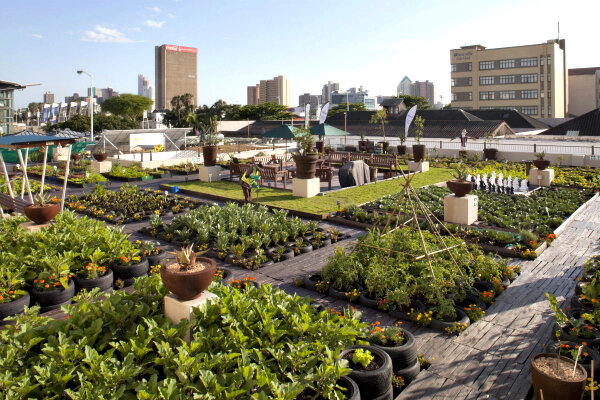 An urban gardening project greens Johannesburg rooftopsIn South Africa, the Tlhago Primary Agricultural Cooperative teaches urban youths gardening skills, educates them about climate change, and empowers them to take practical actions.
 Buy a share of a fresh, sustainable fish catchA Massachusetts-based nonprofit is based on same concept as community-supported agriculture, except in this case members purchase a share of a fishing season, rather than a harvest of vegetables.
 Arts center helps youths in Bogota shun guns, drugsAn arts center, run by a Colombian non-governmental organization, works with former child soldiers 鈥� leftist rebels and right-wing paramilitaries 鈥� to help them return to civilian life.
 Difference MakerVolleyball for all on a famous Rio beachRoberto Bosch's volleyball school was getting nowhere. Then he invited kids from the slums to join for free.
- Difference MakerScott Neeson left Hollywood to save children rooting in Cambodia's garbage dumpsHe sold his mansion, Porsche, and yacht and set off for Cambodia to provide food, shelter, and education to destitute children.
 Tasintha sets Zambia's sex workers on a better pathThe nonprofit group Tasintha helps prostitutes reform their lives using a positive, nonjudgmental approach.
 Could the blackout be fuel for India's energy entrepreneurs?New technologies created by India's energy entrepreneurs could provide affordable clean energy through community-scale micro-grids, solar home systems, and solar lanterns that displace the need for subsidized kerosene and provide a hundred times the lumens for a fraction of the cost.
 As cities grow, technology could help quench the world's thirstApplying known technologies and changing old practices could make a big difference in ensuring an adequate water supply for both agriculture and cities, one expert says.
 How cities can get drivers bikingHow can planners attract the 60 percent of Americans who say they would bike more if they felt more secure? The answer could be cheap and simple.