All Science
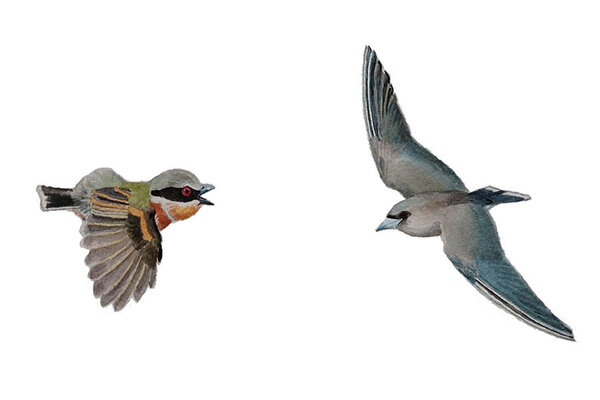 Can you tell where a bird is from just by looking at its wings?Tropical bird wings look different than those from other regions, say scientists.聽
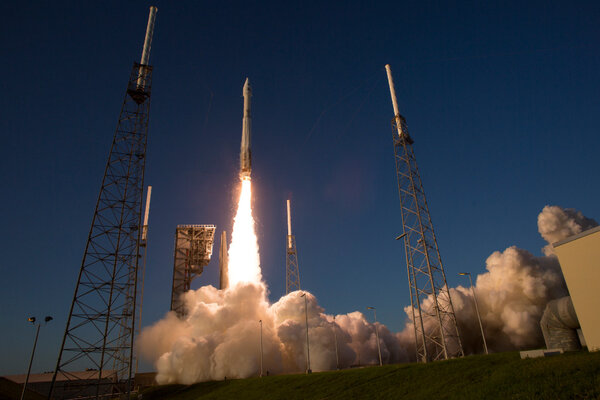 Is Earth ready for an incoming asteroid? Not at all, says NASA scientist.As near-Earth-object detection has gotten more accurate, a new field called Planetary Defense is taking the next step toward defending Earth.
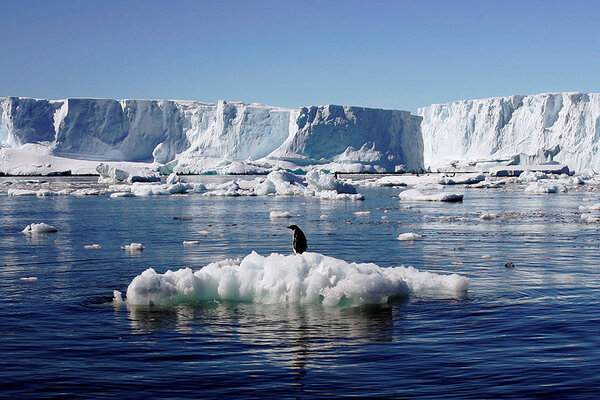 First LookHidden lakes in glaciers point to further Antarctic meltingResearchers suggest that the unusual phenomenon聽could compromise the structural integrity of glaciers in the region.
 First LookAstronomers discover alien planet with clouds made of jewelsScientists have for the first time observed the formation of clouds on an exoplanet 鈥� and they just might be made of the same stuff of sapphires and rubies.
 First LookNo danger seen from Fukushima 'fingerprint' on US West CoastRadiation from the Japan Fukushima nuclear accident was detected on the US West Coast for the first time this year, although the levels are miniscule.
 First LookAt last, scientists say they have solved the 1952 London fog mysteryA new study may prove useful to authorities in China and other countries where coal-based air pollution remains a serious problem.
 First Look'Extraordinarily brilliant light' may have been star shredded by a black holeAstronomers at Queen's University in Belfast say that a light once assumed to have been an exploding star was actually a star ripped apart by a black hole.
- First LookGlitch delays launch of hurricane-watching microsatellitesNASA scrubbed the launch of a fleet of eight hurricane-monitoring satellites on Monday after discovering problems with the hydraulic system used to release the satellite-carrying rocket from its plane.
 First LookNew nanogenerator may lead to human-powered smartphonesA device known as a聽biocompatible ferroelectret nanogenerator, or FENG, could one day be used to generate power all sorts of portable and wearable devices using human motion.
 Why this Japanese space mission comes with a 2,296-foot whipJapan's JAXA space agency launched a cargo shuttle carrying more than four tons of food, water, and supplies to the International Space Station on Friday. And, there's a really long whip.聽
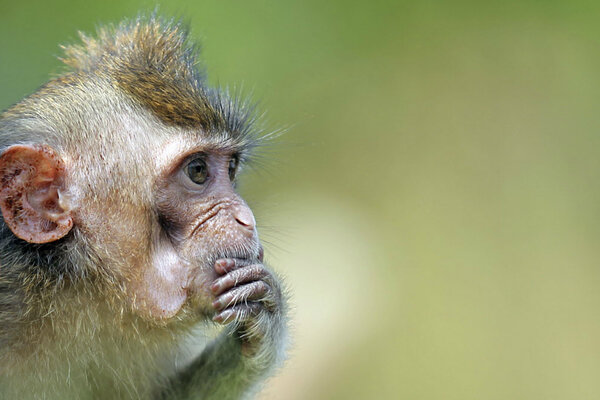 Why can't monkeys talk like us? Their vocal tract might not be the problem.A limited vocal tract might not be what's holding non-human primates' tongues, according to new research.
 First LookWhat do you get when you mix Silly Putty with graphene?An Irish team of scientists' creation of highly sensitive聽G-Putty has expanded the technological possibilities for inventions using so-called 'wonder material.'
 First LookThe secret to understanding Saturn's C ring? Dust.Dust on Saturn's icy rings can help scientists figure out how old the rings are. And Saturn's C ring hasn't been there long enough to gather much dust, say researchers from Cornell University.
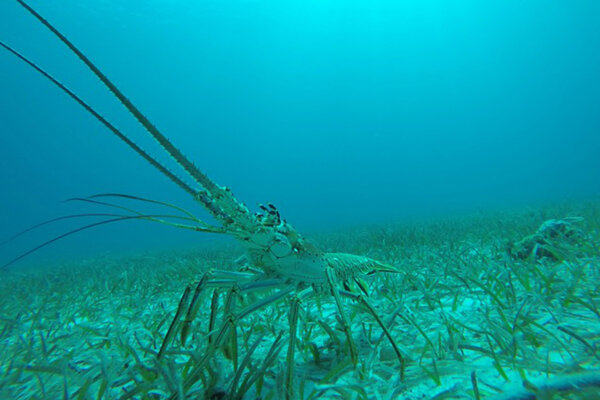 Spiny lobsters tap into a strange food source, scientists sayAbout a fifth of the diet of Caribbean spiny lobsters is derived from a process distinct from the traditional model of the food chain, according to new research.
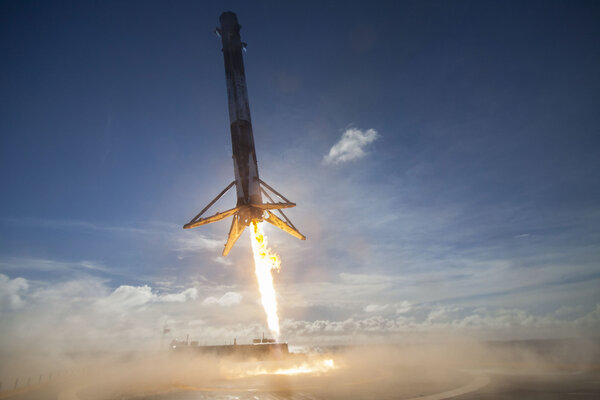 Will SpaceX lose more customers after September rocket explosion?With billions in contracts with commercial satellite companies and NASA on the line, SpaceX is facing delays in getting its rockets back into space. The delays have cost the company one major contract this week.聽
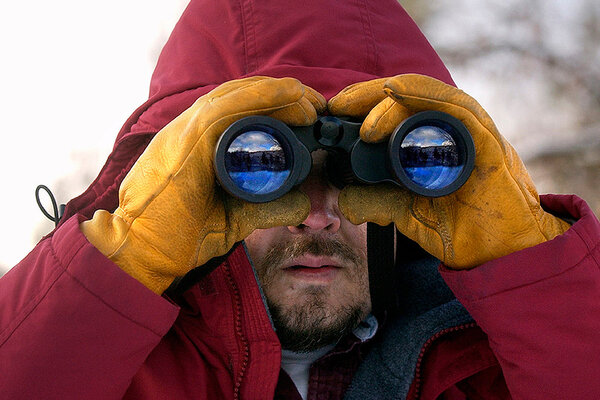 First LookWhat's a Christmas bird count?The annual tradition began in 1900 as a social alternative to large-scale hunting events, which conservationists feared would decimate US bird populations.
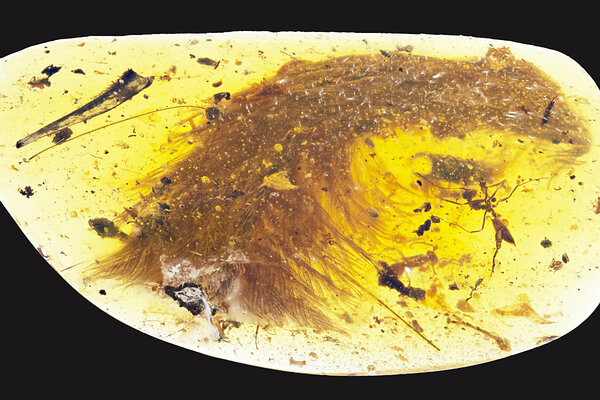 Scientists find a feathery dinosaur tail trapped in amberResearchers examine the feathers of a rare 99-million-year-old dinosaur tail preserved in amber.聽
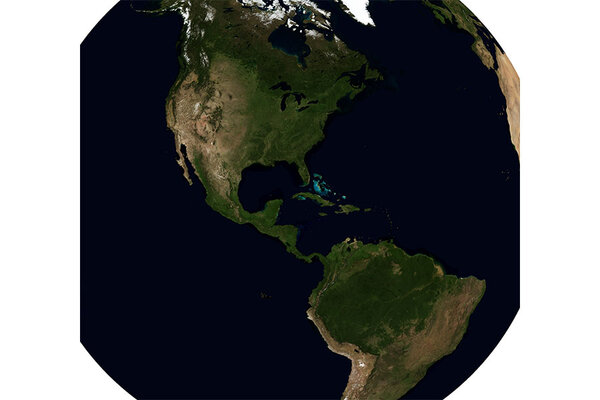 Amid fears of Trump cutback, NASA announces long-term climate missionCould this be push-back聽from an agency anticipating cuts? Could the Trump administration dismantle GeoCARB?
 First LookEarth's slowing rotation revealed by ancient astronomersThe length of an Earth day has grown by 1.8 milliseconds per century, a new study shows.
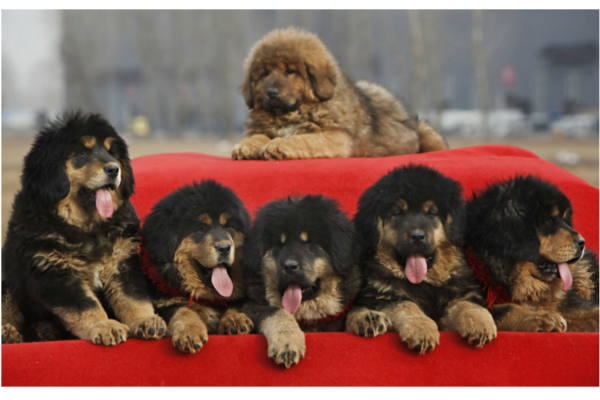 Did interbreeding with wolves prepare Tibetan Mastiffs for the high life?Geneticists may have figured out where the dogs of the Tibetan Plateau got their high-elevation adaptations.