All Science
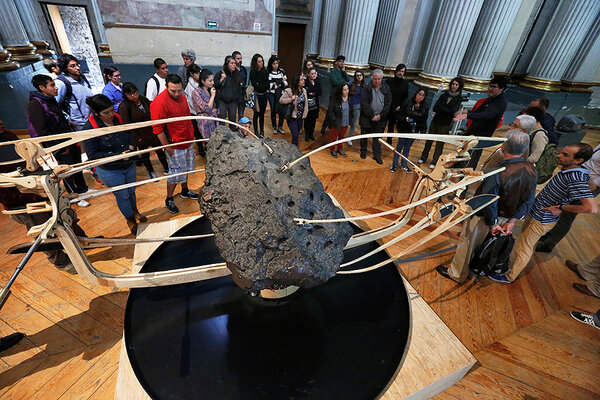 First LookHow a few millimeters of Russian rock helped unwind a meteorite mysteryMeteorites that struck Earth more than 466 million years ago were very different than those we see today, according to new research published in Nature Astronomy.
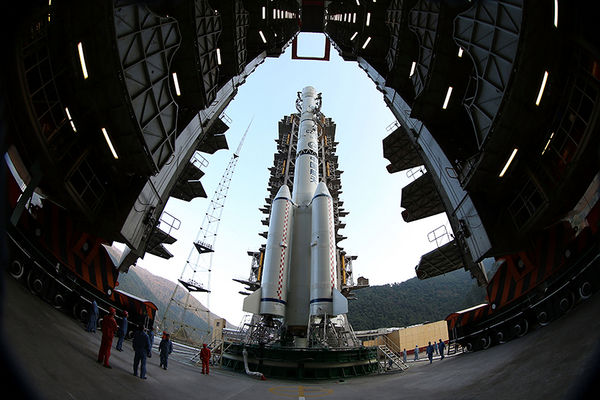 First LookLunar ambitions: Why China wants to fetch rocks from the moonAs part of a developing space program, China announced plans for a mission this year to bring back lunar samples.
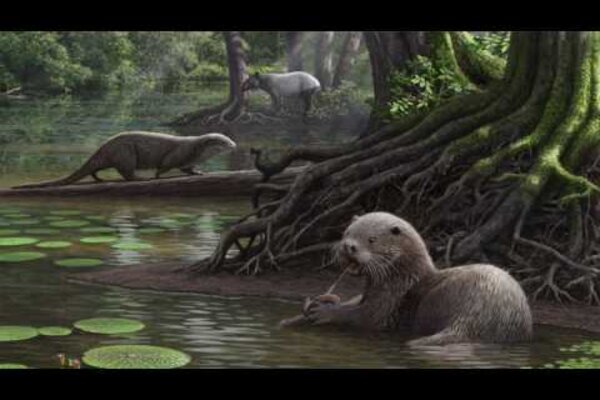 First LookWolf-sized prehistoric otter: You really oughter check out this critterNew research shows that about 6.2 million years ago, an otter the size of a wolf roamed the rivers and lakes of what is today southwestern China.
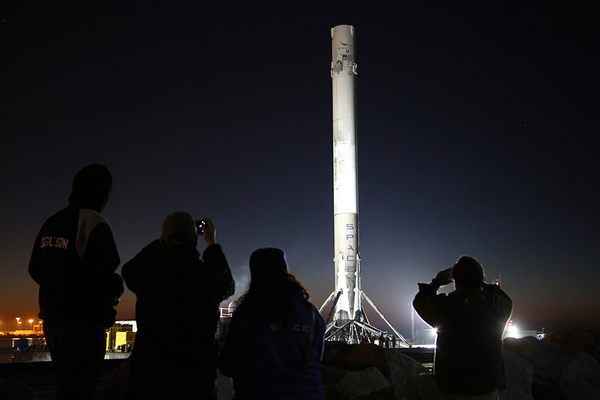 First LookNo landing: SpaceX to retire this model of the Falcon 9 rocketAfter a successful return to flight on Jan. 14, SpaceX prepares for another launch Jan. 30 which will be one of the company鈥檚 last using expendable Falcon 9 rockets.
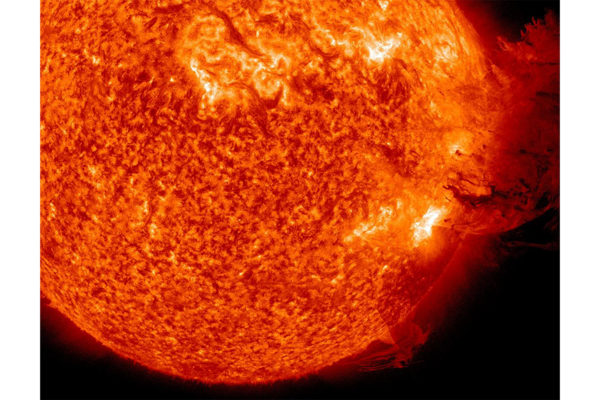 First LookResearchers calculated the economic cost of a major solar storm 鈥� and it's bigAn electricity blackout caused by a major solar storm could cost the United States tens of billions of dollars a day, according to new research.
 What drove the extinction of really big Australian animals?Some 85 percent of Australian 'megafauna' went extinct about 45,000 thousand years ago, including 25-foot long lizards and 1,000-pound kangaroos.
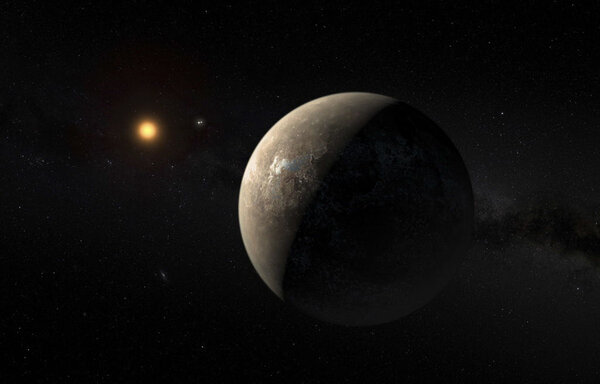 Another Earth just 14 light years away? Maybe not, says new studyA rocky world orbiting Wolf 1061 falls within the potentially-habitable 'Goldilocks zone.' But a new study shows that it might be too close for comfort.聽
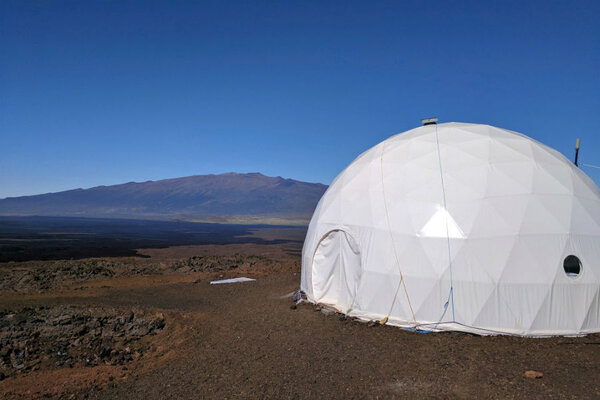 NASA researchers prepare for life on Mars ... under a dome in HawaiiFour men and two women expect to spend eight months in a dome on a Hawaiian volcano, as part of a human behavior study designed to help NASA prepare astronauts for the journey to Mars.
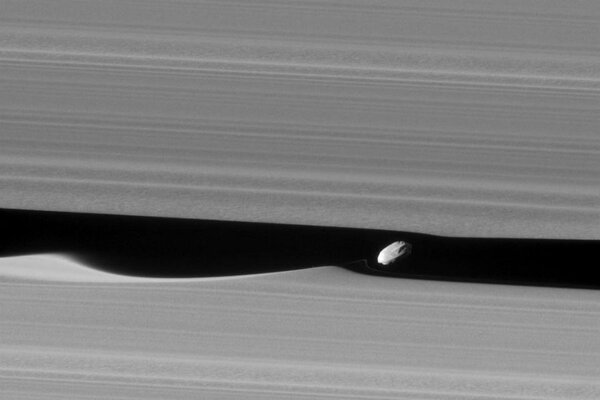 First LookCassini spies shy moon nestled among Saturn's ringsCassini took the clearest images yet of Saturn's mini-moon Daphnis, shedding light on ring structure and behavior.聽
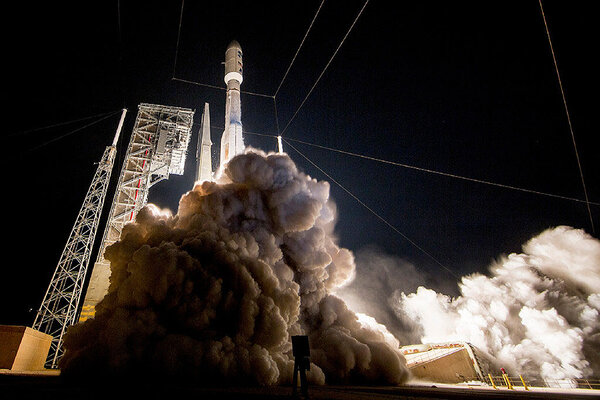 First LookWith satellite launch, US has new eyes to watch for missile threatsOn Friday night, the Air Force launched the latest member of a satellite network designed to spot missile threats. How could it keep the US safe from missile attack?
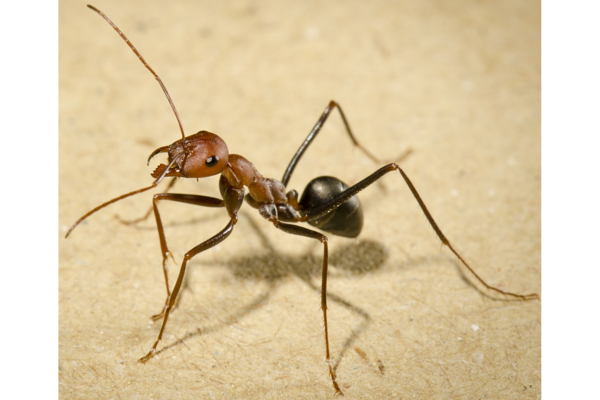 Able navigators: How desert ants know which way to go when walking backwardAnts may be more sophisticated marchers 鈥� and navigators 鈥� than often thought, according to new research.
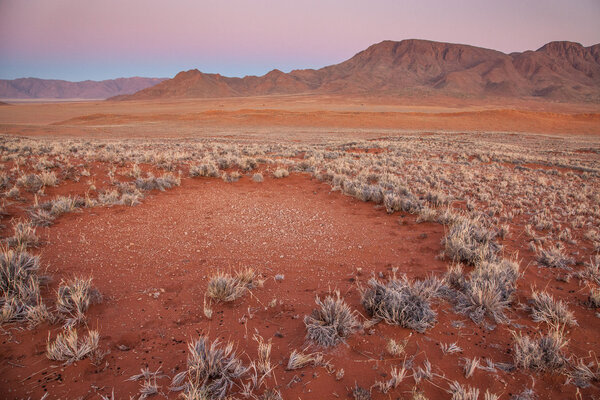 What is causing Namibia's mysterious fairy circles?Two dueling models have sought to explain the formation of the strange, barren circles in southern Africa. New research presents a different idea.
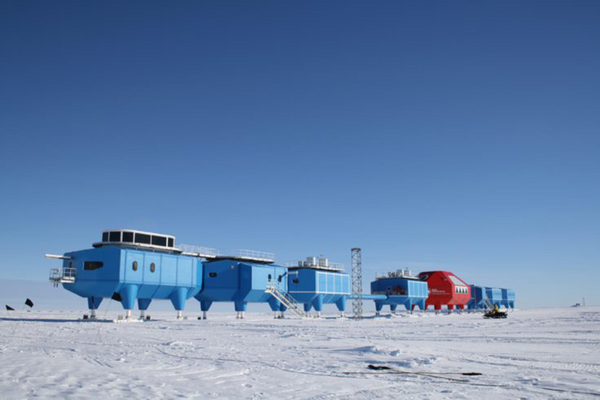 First LookSki-mounted research station deemed too dangerous for winter studyThe British Antarctic Survey has decided to close the Halley VI Research Station as a large ice crack approaches the facility.
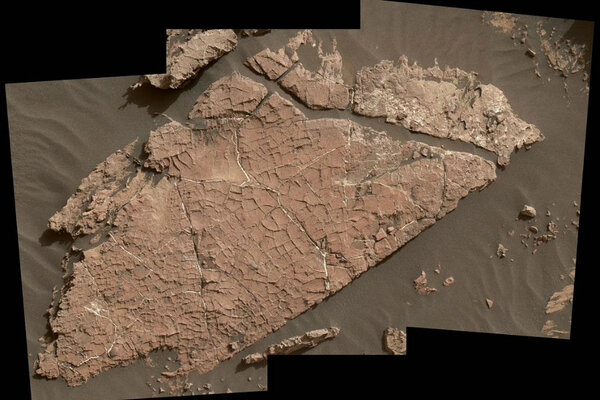 First LookIs that cracked mud on Mars? Curiosity closes in to investigate.The latest discovery could serve as evidence that Mars used to experience wetter conditions followed by drying periods.
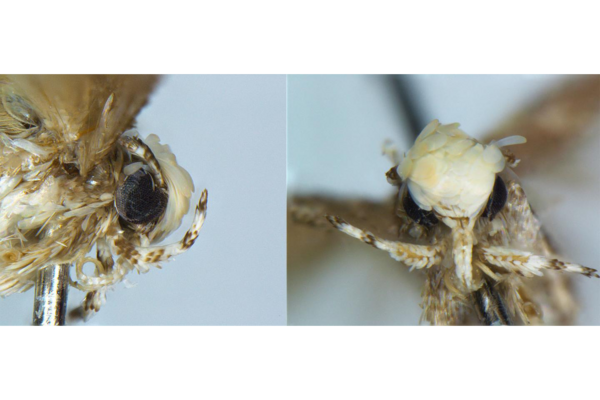 First LookMiniature moth with fancy pompadour to be named after Donald TrumpNew species are often named after famous people. This moth has a hairstyle that resembles the famous hairdo of President-elect Trump.
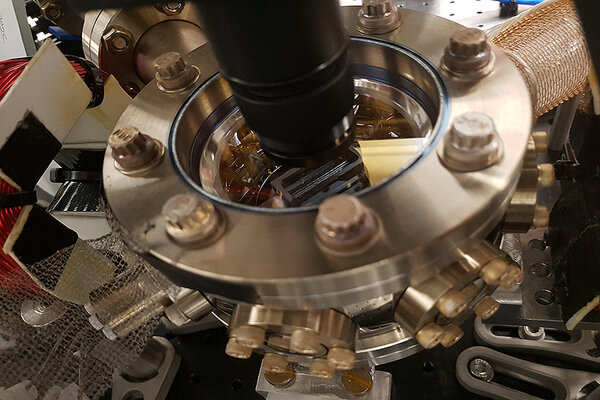 Machines learn to find patterns in quantum chaosAn Australian team has taught a program to predict the future of an unstable quantum system.
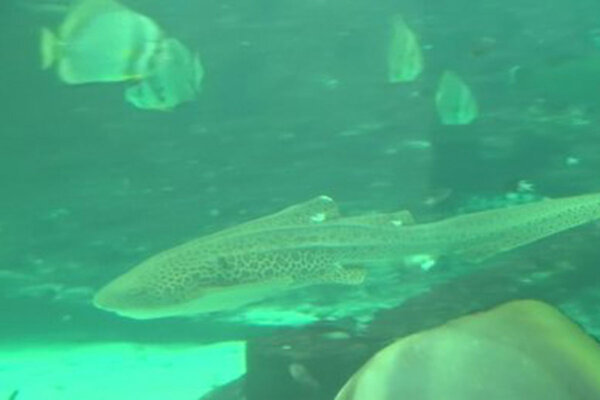 First LookEndangered zebra shark hatches fatherless babiesIn a switch that could help save her species,聽Leonie, a zebra shark at Australia's聽Reef HQ Aquarium, has become the first shark observed shifting from sexual to asexual reproduction, hatching three eggs containing offspring that carry only her DNA.
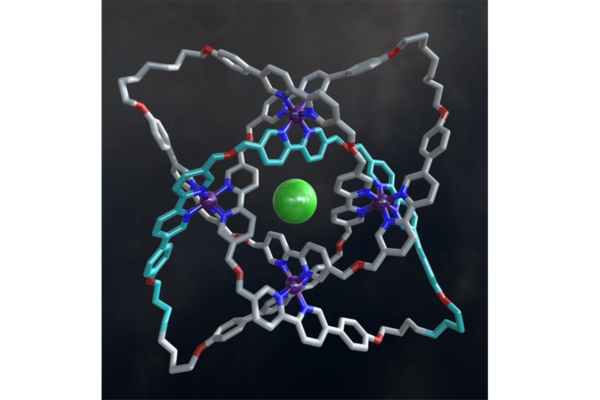
- First LookScientists tie the world's tightest knotResearchers at the University of Manchester hope their chemically produced, three-strand molecular knot will some day form the foundation for very light and strong materials.
- First LookNASA hails 'patriot and a pioneer' Eugene Cernan, the last man on the moonEugene Cernan, who in 1972 was the most recent man to set foot on the moon as part of the Apollo 17 mission, died on Monday.
 First LookCan scientists crack the case of an Antarctic ice shelf's growing rift?At 90 miles and counting, the Larsen C ice shelf crack just keeps growing. Could studying this unusual crack predict future ice movements?