All Science
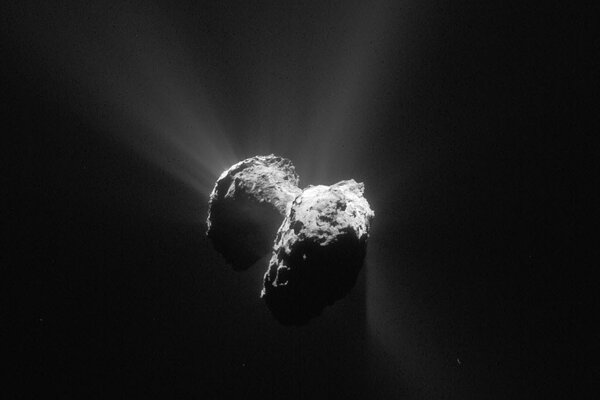 First LookLatest from Rosetta: Icy surface comet could tell of comet's originScientists hope the confirmed presence of ice on the surface of聽Comet 67P/Churyumov-Gerasimenko could later lead to a better understanding of how the comet formed.
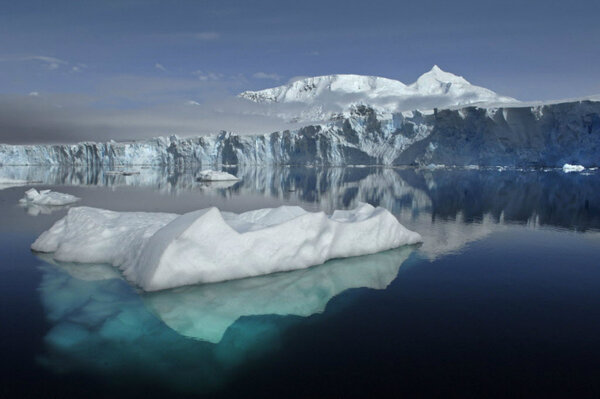 The world's largest canyon might be hidden under an Antarctic ice sheetScientists discover a chasm that may dwarf the Grand Canyon.
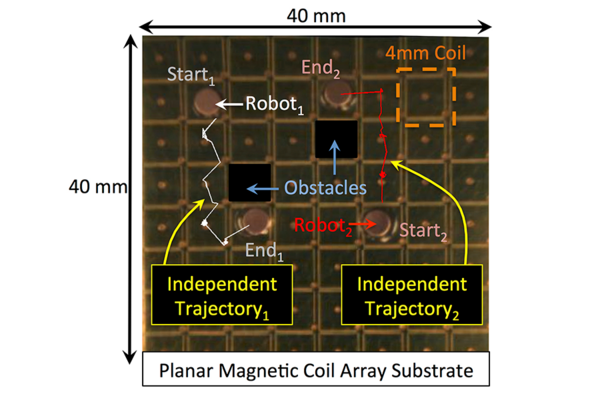 How do you get tiny robots to work together? A magnetic force fieldEngineers hope that this will allow聽the tiny machines to one day be used in advanced manufacturing and research.聽
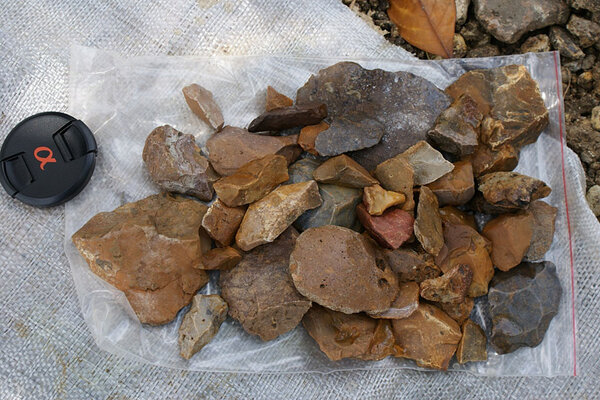 'Hobbit' gets a neighbor: Stone tools hint at archaic human presenceResearchers discover stone tools on the island of Sulawesi, Indonesia, indicating that archaic humans were present at least 118,000 years ago.
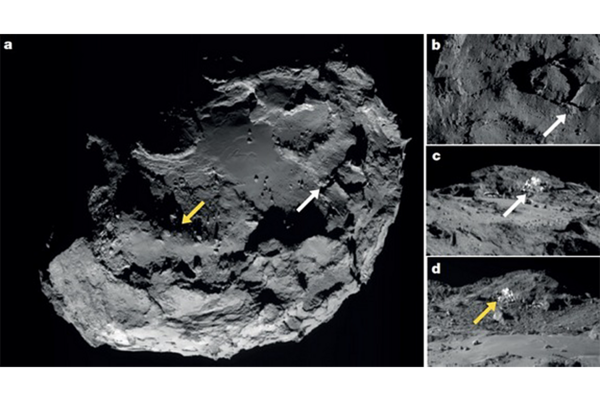
- European space probe finds water on surface of cometThe European Space Agency's Rosetta comet has detected water ice on the surface of Comet 67P/Churyumov-Gerasimenko, revealing clues about the formation of comets in our solar system.聽
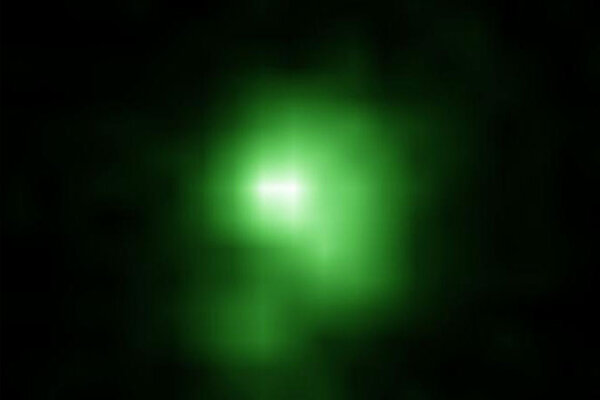 First LookWhat a tiny green galaxy reveals about the mysteries of the cosmosA long-held hypothesis is that newly-formed dwarf galaxies were the key to heat about 13 billion years ago. But astronomers have struggled to confirm it for twenty years.
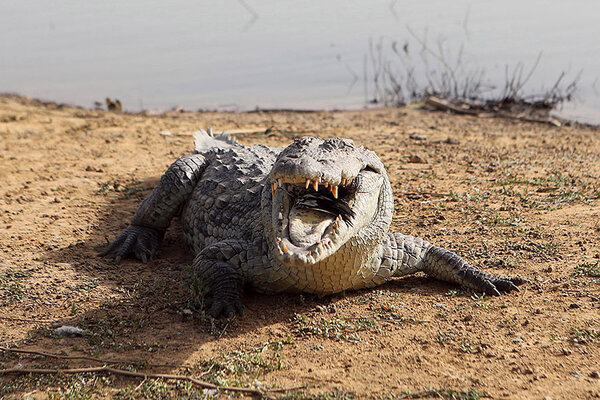 Humongous ancient crocodile fossil discovered in SaharaThe world's largest ever sea-water crocodile fossil was discovered in the Tunisian Sahara, but what it says about the mass extinction in the Jurassic period goes far beyond its gargantuan size.
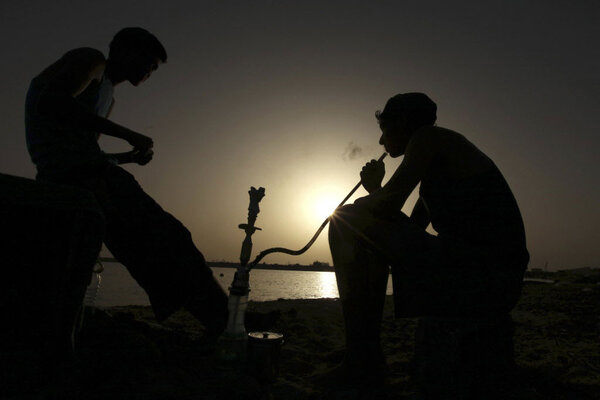 First LookHookah vs. cigarettes: New research challenges old beliefs.A University of Pittsburgh meta-analysis shows higher levels of smoke, nicotine, tar, and carbon monoxide result from waterpipe tobacco smoking sessions than from a smoking cigarettes.
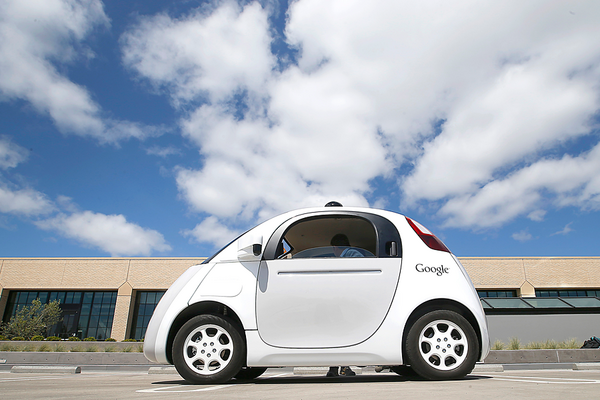
- Google's self-driving cars still need humans, says company reportBetween September 2014 and November 2015, Google鈥檚 fleet of autonomous vehicles clocked 424,331 miles on California public roads. During those trips, a report reveals, human beings needed to grab the wheel 69 times to avoid possible accidents.
 Greenland鈥檚 melting ice sheet: a breakthrough in understanding?A new study reveals the impact of cloud cover on Greenland's melting ice sheet, providing new understanding about the effects of climate change.聽
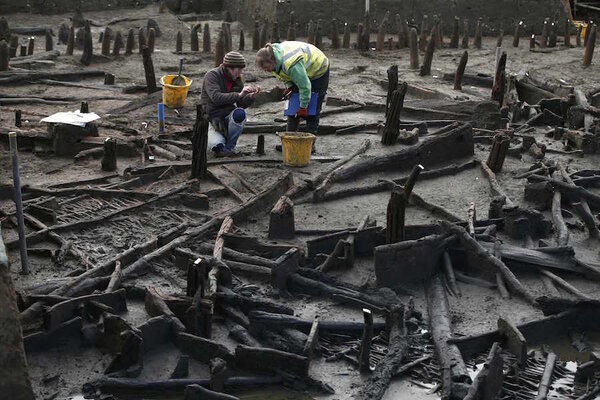 Britain's little 'Pompeii' found preserved in river siltA settlement of incredibly well-preserved stilt houses was discovered in Cambridgeshire. The 3,000-year-old houses had been abandoned hastily due to a fire and now hold clues to everyday life in Bronze Age Britain.
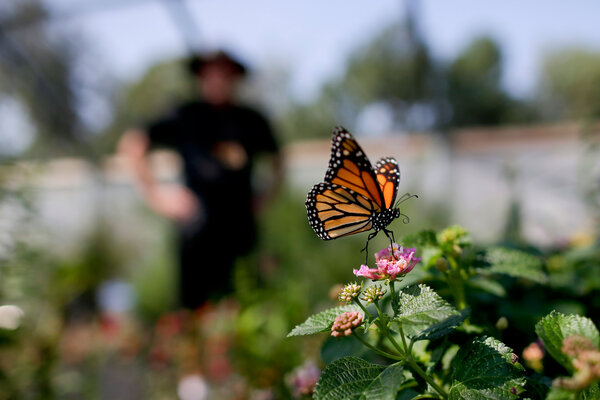 Can lawsuits save the monarch butterfly?Conservation groups are suing to try to place the monarch butterfly on the endangered species list to free up more resources for its protection.
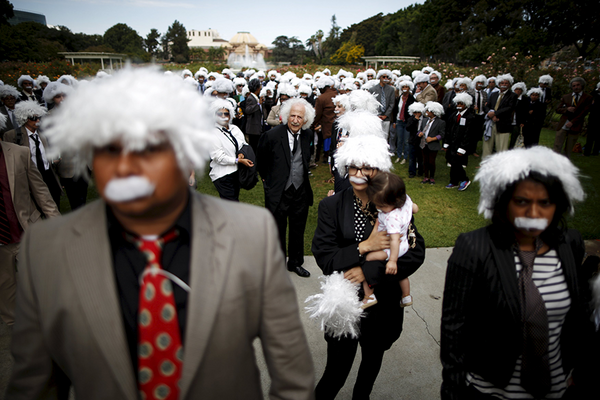 Why the discovery of gravitational waves would be such a huge dealBecause we really, really want astronomers to find these dips and undulations in spacetime, first predicted by Einstein 100 years ago.
 Why Wyoming is getting another world-class supercomputerThe National Center for Atmospheric Research (NCAR) has announced it has decided on a new supercomputer for 2017. The new, upgraded supercomputer will offer more power and the potential for greater insights into the climate and environment.聽
 Scientists invent lithium-ion battery that's less likely to explode on youResearchers at Stanford University used聽nanotechnology to solve a longstanding problem among electrically-driven devices, from airplanes to so-called hoverboards.
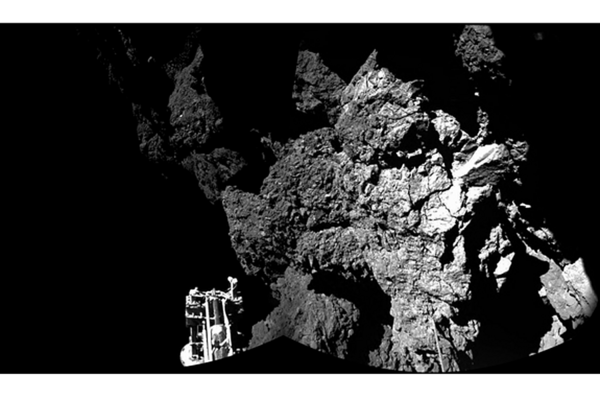 First LookAs comet 67P cools, one last-ditch effort to call PhilaePhilae, the first probe to study a comet up close, has not communicated with Earth in months. Astronomers say they'll make one last effort to call, before the probe travels with the comet too far away from the sun's heat to even turn on.
 How huge icebergs could be slowing climate changeScientists study the impact of iceberg meltwater on the carbon-sequestering phytoplankton in the Southern Ocean.
 Can NASA鈥檚 new office prevent Armageddon?NASA鈥檚 new Planetary Defense Coordination Office will work to monitor objects in space that pass near Earth鈥檚 orbit and develop strategies for potential asteroid or comet impacts with the planet.
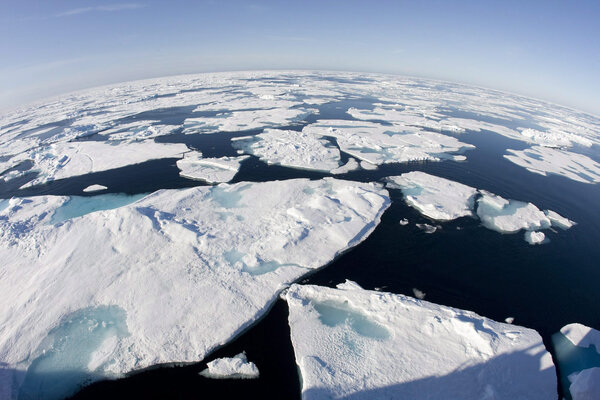 How global warming is revealing old Alaska shipwrecksMelting ice in the Arctic has allowed underwater archaeologists to access centuries-old shipwrecks. But other experts say climate change will inhibit preservation efforts.
 In Arctic winter, 'werewolves of the deep' hunt by moonlightMoonlight drives arctic zooplankton migrations during the dark, cold winter, researchers say.