All Editorials
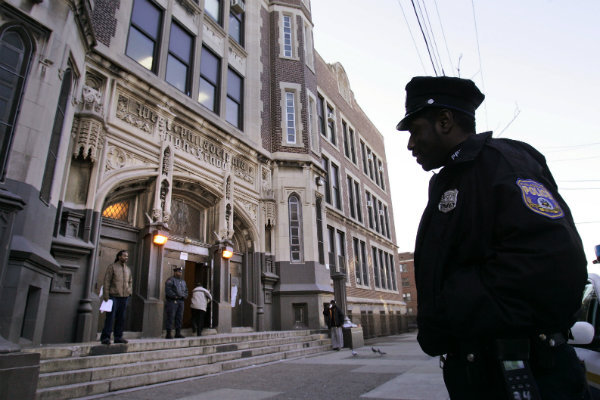 OpinionA shift away from zero tolerance will improve school disciplineZero tolerance for bad behavior is common in American schools, but this policy has often proved ineffective, even harmful to students and schools. The tide is turning. A method that relies on communication between students, teachers, and others improves accountability and school safety.
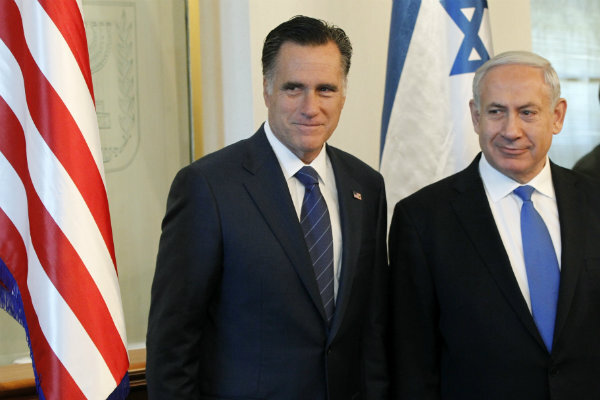 OpinionWhat Netanyahu's meddling in US election means for Obama, Romney, and diplomacyIsrael's Benjamin Netanyahu speaks at the United Nations General Assembly today, where he is expected to reiterate his demands that President Obama set 'red lines' for Iran. It appears Netanyahu is meddling in US presidential elections, fueling rifts with Obama to favor Mitt Romney.
 The Monitor's ViewWhy NFL referees must be model judgesThe 'bad' NFL referee call in the 'Monday Night Football' game between the Seattle Seahawks and the Green Bay Packers puts a spotlight on those among us whom we elevate as truth tellers and judges.
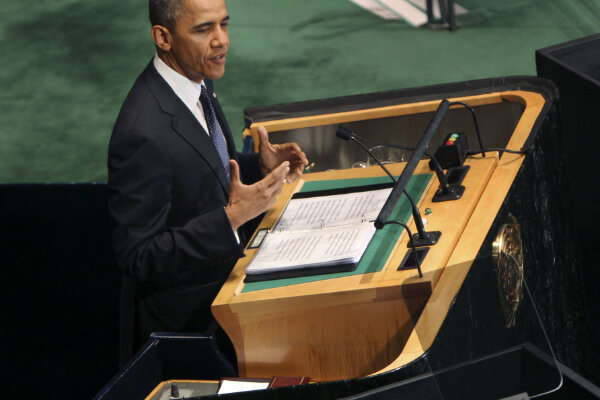 OpinionFor Obama, reality meets idealism in ties with Muslim worldJust as he did in his groundbreaking speech in Cairo in 2009, President Obama this week articulated the need for 'mutual interest and mutual respect' between Muslims and Americans. His idealism, though, has run into reality. He must adjust if he wins a second term.
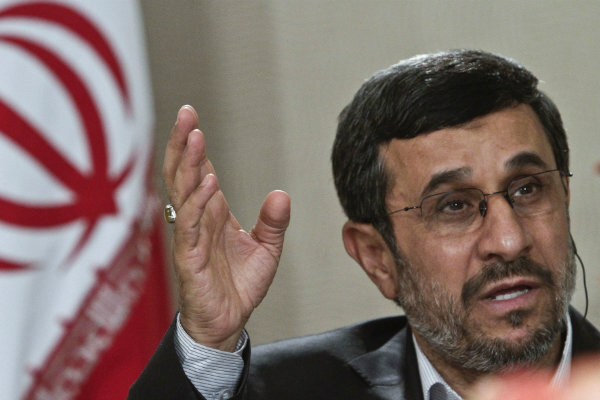 3 views on what the US should do about Iran's nuclear program Iranian President Mahmoud Ahmadinejad addressed the United Nations General Assembly Wednesday, saying Iran is under a "continued threat by the uncivilized Zionists." As the fourth installment of our One Minute Debate series for election 2012, three writers give their brief take on what the United States should do about Iran's nuclear program.
 The Monitor's ViewHow Obama, Romney foreign policies are alikeWhile they differ on issues like Iran and China, Obama and Romney are alike in not having a foreign policy that would inspire Americans to build a strong economy.
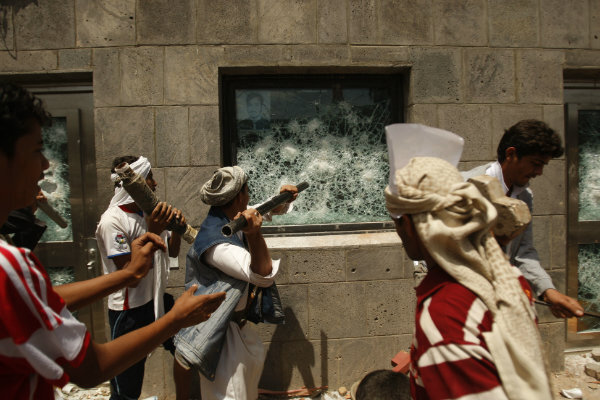 OpinionYemen needs a US reset, not a retreatLast week's violent anti-US protests underscore the need for greater US engagement in Yemen.聽The country's economic, political, and security future hinges on alleviating humanitarian needs, addressing their root causes, and fostering an inclusive political transition.
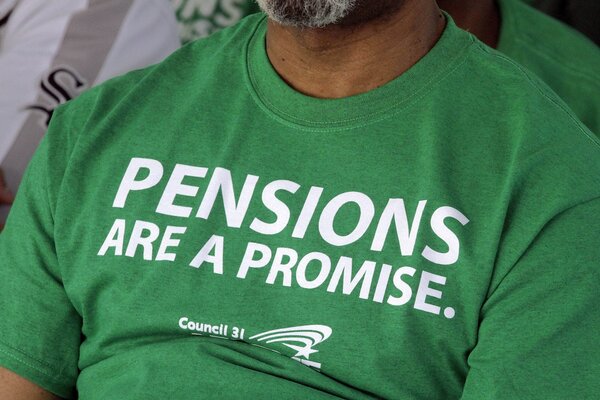 The Monitor's ViewToday's democracy heroes are in the fiscal trenchesThe West's years of unsustainable promises on spending are hardly a model of democracy. When elected leaders, such as Rhode Island treasurer Gina Raimondo, tell the truth on how to rein in costs, they are democracy's heroes.
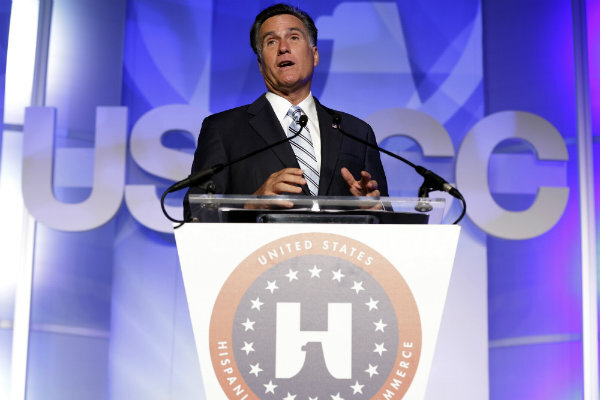 OpinionRomney needs Hispanics more than they need himRomney doesn鈥檛 grasp that playfully wishing he were Mexican-American is offensive to many Hispanics. His view of the Hispanic electorate seems simplistic and out of touch with the Latino experience.聽Hispanics do not vote based on ethnicity; we vote on policy.
 3 views on how US should combat illegal immigration For the third installment in our One Minute Debate series for election 2012, three writers give their brief take on how the United States should combat illegal immigration: 'tighten up,' 'loosen up,' and 'another way.'
 Balancing food, weather, and populationThe drought that has hit the United States and other grain-producing nations could be global warming or just a one-season aberration. But while weather fluctuates year to year, global population doesn't. And that means that feeding 9 billion mouths by 2050 will require unprecedented effort.
- Readers RespondReaders Write: Grading teachers isn't enough; Teachers deserve useful evaluation and support.Letters for the Editor for the September 24 weekly print issue: When done with teacher buy-in, multiple measures, and meaningful professional development, teacher evaluation benefits entires school systems. Should teachers be graded? Yes. And so should parents, administrators, school boards, communities, and students. Evaluation shouldn't begin and end with teachers.
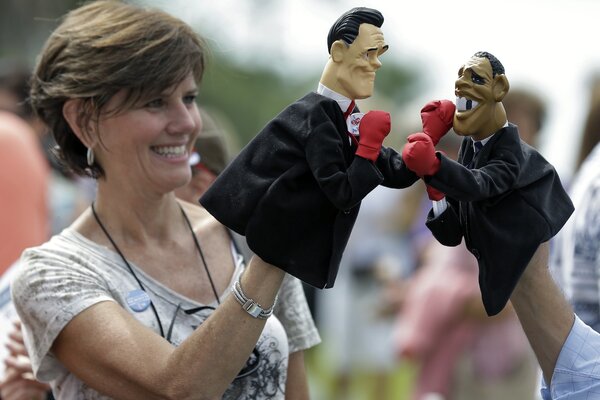 The Monitor's ViewWhen campaign politics turn vicious, what voters can doAs the 2012 campaigns settle into a pattern of personal attacks, voters need not be passive, or even resigned. The can demand civility.
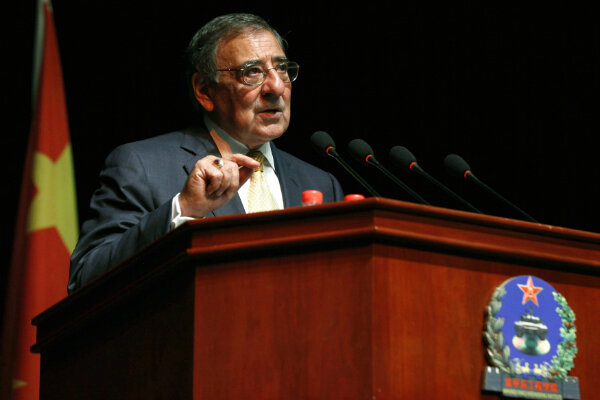 OpinionA sure-fire place to cut the US defense budgetThe US Department of Defense has said that the air-defense program known as MEADS will never be operational. Yet Defense Secretary Leon Panetta insists that Congress reinsert $400 million in the defense budget for the program. Amazingly, Congress is falling for his line.
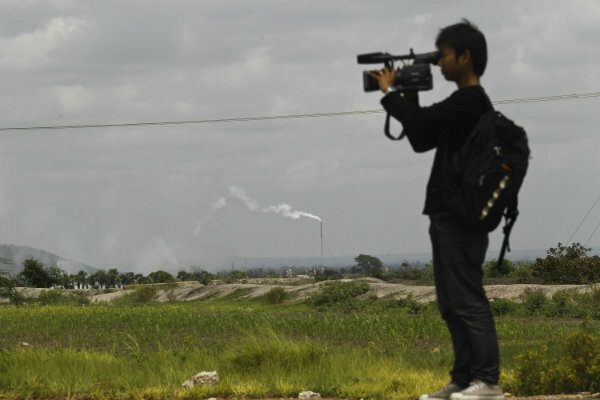 OpinionCould Myanmar (Burma) have Southeast Asia's first 'green president'?President Thein Sein still has a long way to go in assuring citizens, investors, and international donors that the country is on the right track, but with the right development assistance, Myanmar has the chance to succeed in sustainable development where many of its neighbors have failed.
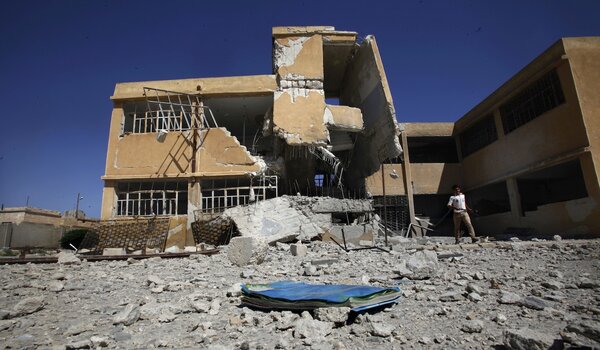 The Monitor's ViewProtect the most innocent in Syria 鈥� childrenThe largely ignored civil war in Syria has taken a big toll on children. They are often targeted, even tortured. Russia and China must not again block an effective UN response to the Assad regime's war crimes.
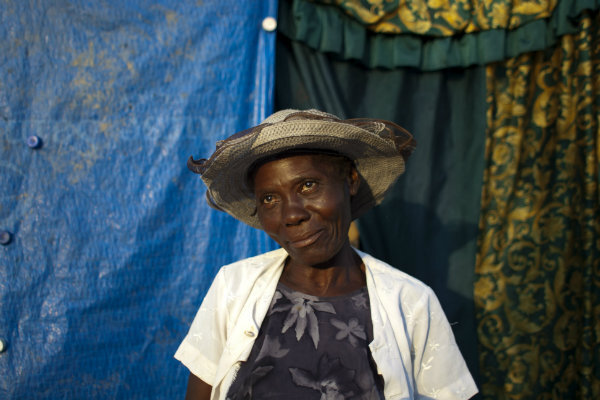 OpinionUN can't leave Haiti until rule of law is establishedAny exit strategy for the UN presence in Haiti has to be built on the country doubling the size of its police, ending impunity in its courts, and forging the rule of law as a foundation for economic growth and political stability.
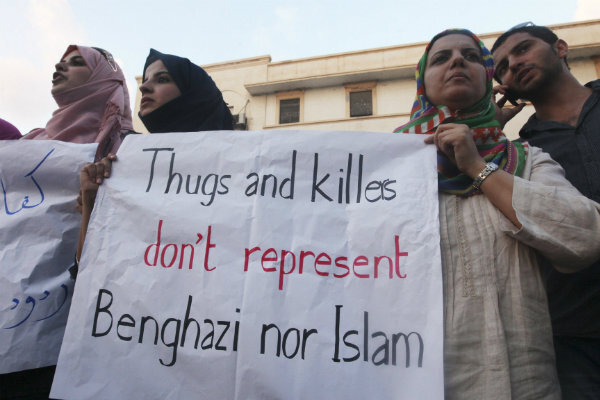 OpinionAmericans must engage more 鈥� not less 鈥� with Muslims in the Middle EastThe forces unleashed by the Arab awakening are in a sorting-out period in which the most extreme voices are getting the most media play. But they are not the majority. Rather than condemn the region or the Muslim faith, Americans should champion the voices of reason amidst the mayhem.聽
 The Monitor's ViewOld Europe meets newDriven by the euro crisis, 11 European nations led by Germany propose a tighter union with more democracy. As a new model of governance and shared sovereignty, it would be one of old virtues designed for tougher global competition.
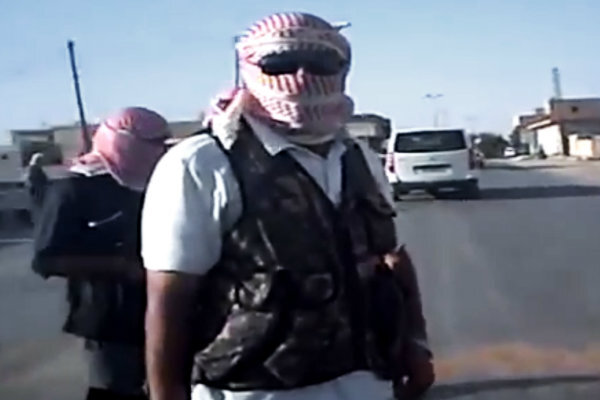 By fearing rise of Al Qaeda in Syria, US ignores greater threat: inactionFocusing on Al Qaeda鈥檚 potential for exploiting the Syrian conflict distracts from the rapidly mounting costs of US inaction. If the US continues to sit on the sidelines as the human toll rises, it could face a decidedly anti-American government in Damascus, jihadists in power or not.