All Editorials
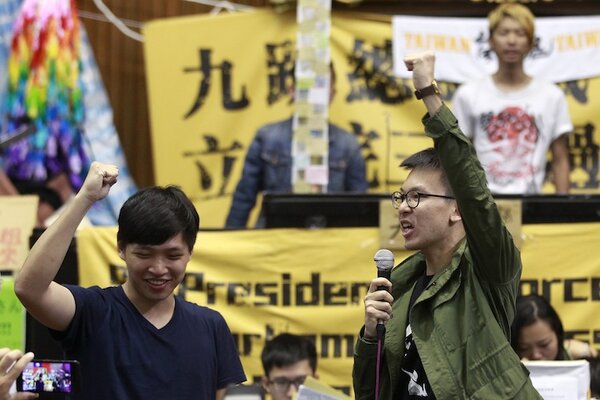 The Monitor's ViewStepping up the innovation ladderProtests in Taiwan against a trade pact with China illustrate the difficulties that countries can have in staying innovative enough to compete with low-wage nations. Innovation often requires a culture shift.
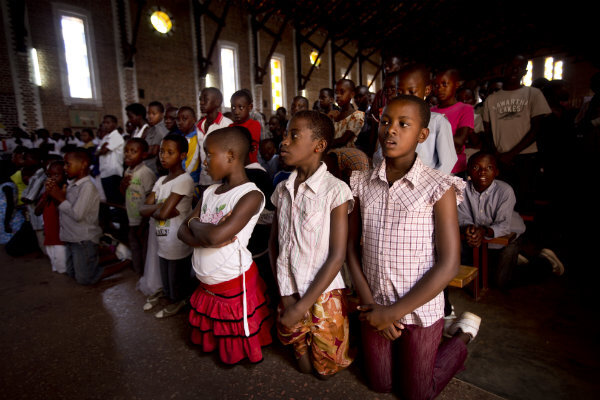 OpinionRwanda 20 years later: A model for progress and reconciliationThe progress Rwanda has achieved since its genocide聽may be the most significant example of human development of the past 20 years. Its governance should not be the subject of criticism, but should stand as a model for other nations seeking reconciliation.
- Readers RespondReaders Write: Where are the American prodigies?Letters to the Editor for the April 7, 2014 weekly magazine:If it weren't for immigrants America would be in sad shape. Too many 'natives' are more interested in texting, celebrities, sports heroes, fighting over abortion and contraceptive rights, and denying global warming and evolution than promoting and improving education.Many US colleges are funded by American taxpayers, and their first responsibility is to educate, inspire, and create opportunity for American youth. Should we be focusing on finding foreign talent, rather than recruiting and developing the talent of our own youth?
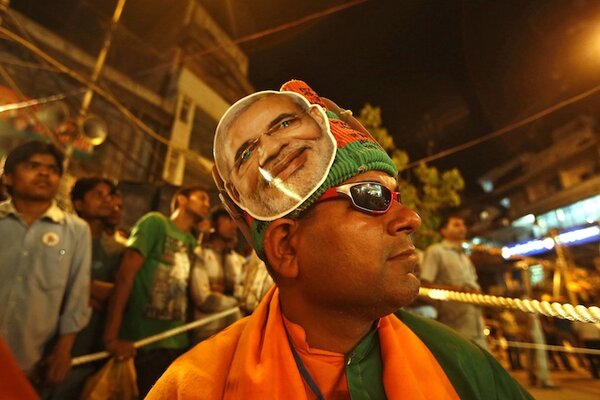 The Monitor's ViewIndia election: a pivot to Hindu nationalism?The India election that begins this week could catapult a Hindu nationalist, Narendra Modi, to power. How he defines the national interest will determine India's place in the world as a peaceful player.
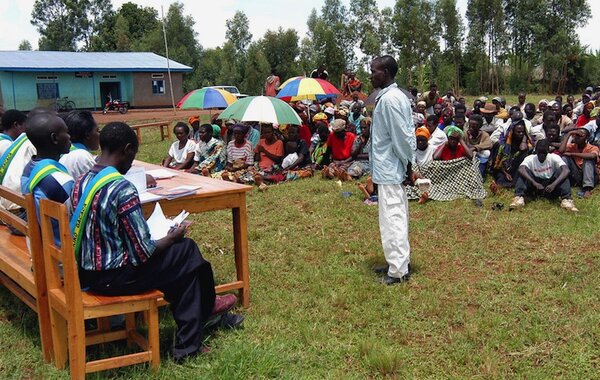 The Monitor's ViewWhat to celebrate in Rwanda's genocide anniversaryThe 20th anniversary of the Rwanda genocide should focus as much on how the African nation worked toward reconciliation through forgiveness as on the mass slaughter itself.
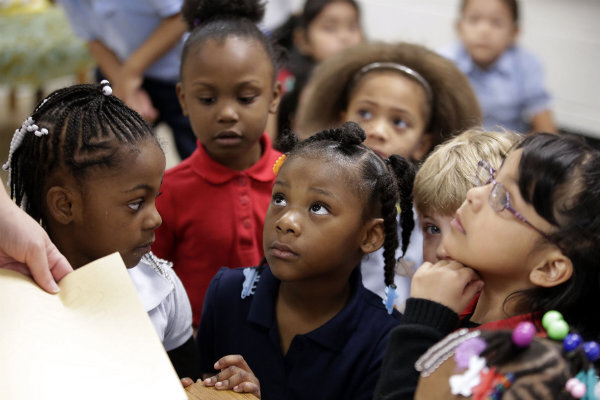 OpinionDebate over standardized testing is focusing on the wrong questionsThe education debate should not be over whether students spend too must time testing, but on which tests are actually useful to teachers and improving instruction. Then we need to make district, state, and federal policy decisions based on this information.
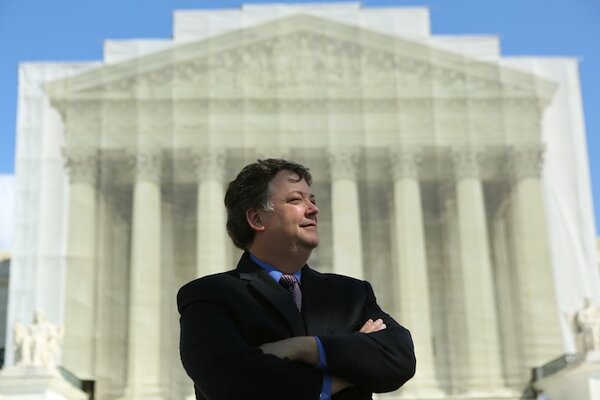 The Monitor's ViewWhy a Supreme Court ruling may help curb corruptionA Supreme Court ruling that further lifts curbs on money in politics is a reminder of why global efforts against corruption must be grass roots.
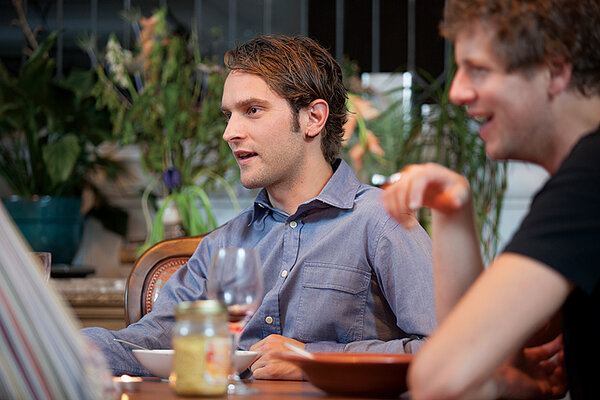 Better together? A new generation trySharing a dwelling has never been easy. But the idea has always been appealing. Now a combination of economics, technology, and new attitudes about owning is spurring the co-housing movement.
 The news bubble around Vladimir PutinWhat we tell others can end up convincing us as well. The Russian leader has created a modern, Russia-centric news machine that puts forth his view of the world. Is he deceiving himself?
 The Monitor's ViewThe US-Russia 'great game' over UkraineThe US-Russia talks over Ukraine's future left out the Ukrainian people, treating them like pawns on a chessboard. In the age of democracy and the Internet, big powers cannot go over the heads of individuals and their aspirations.
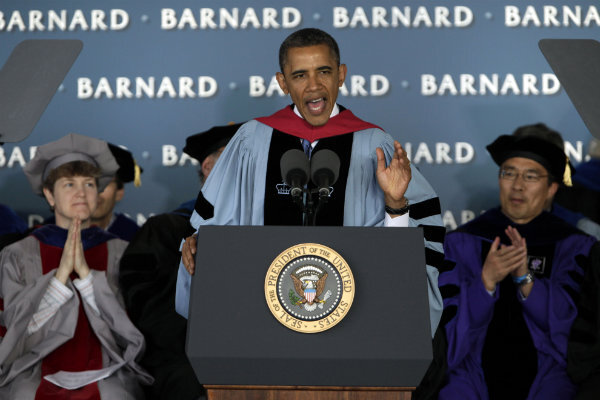 OpinionWhy I'm not afraid of Virginia Woolf 鈥� or the 'crisis' in the humanitiesA changing economy is precisely why we need young people educated in the humanities.聽These disciplines teach us to question 鈥� and better 鈥� the world around us. The crisis is not with the humanities. The crisis is with the failure to value them enough.
 The Monitor's ViewAfghanistan election: a feat to beholdDespite Taliban threats against voters, Afghans are eager to cast ballots in Saturday's pivotal presidential election. The world must support their desire to consolidate their triumphs since 2001.
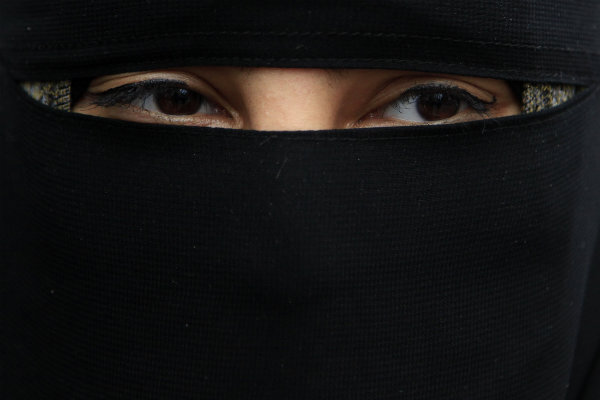 OpinionBeyond burqa bans: US must update laws on face veilsIt's time for the US to get its thoughts 鈥� and laws 鈥� in order regarding the聽niqab聽and burqa.聽The US can set a standard for how conservative Muslim dress can be integrated into a free, largely non-Muslim society while protecting both civil liberties and public safety.
- Readers RespondReaders Write: America spent while its military fought; Obama shouldn't take sides in Syria's religious warLetters to the Editor for the March 31, 2014 weekly magazine:聽Budget deficits now threaten benefits for veterans. Nobody likes to pay higher taxes, but America has a responsibility to those it sends to war.聽Syria's civil war is fundamentally a conflict between Sunni Muslims and Alawites, 海角大神s, and Druze. By supporting the rebels, Mr. Obama has taken sides in a religious war.
 The Monitor's ViewObama's taxing proposal on givingEven as he enlists private charity to help young men of color, President Obama again proposes a new cap on the charitable tax deduction. There need be no clash between private giving and paying taxes.
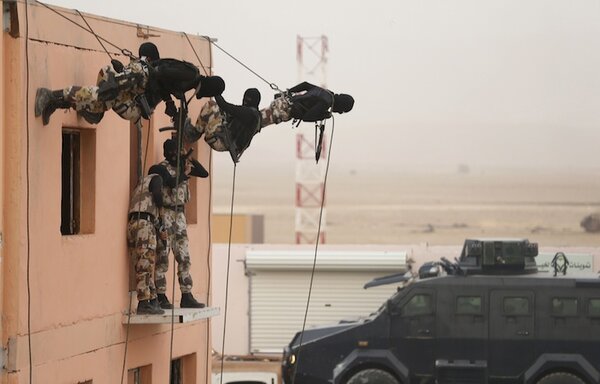 The Monitor's ViewWhat Obama should ask of Saudi ArabiaPresident Obama's trip to Saudi Arabia comes as a Middle East struggle over 'political Islam' reaches a boiling point. The president can ask his royal hosts what is the best form of government for the world's Muslims.
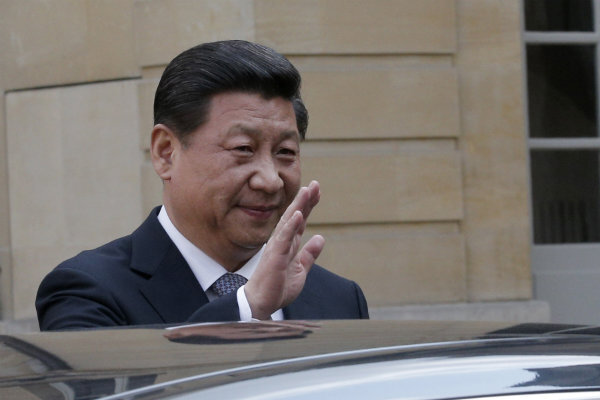 Global ViewpointRobert Kaplan: The center of military power in the world is moving to AsiaIn an interview, Robert Kaplan says: 'The United States can preserve the peace [in the Asia Pacific] by seeking not domination, but a favorable balance of power with China. It must at some level allow China its rightful place in the Western Pacific.'
- Global ViewpointRobert Kaplan: The center of military power in the world is moving to AsiaIn an interview, Robert Kaplan says: 'The United States can preserve the peace [in the Asia Pacific] by seeking not domination, but a favorable balance of power with China. It must at some level allow China its rightful place in the Western Pacific.'
 The Monitor's ViewThe Obama challenge to Putin's lawlessnessFrom Crimea to China to Egypt, authoritarian regimes are defying international norms. In a speech in Europe, President Obama wisely stands up for rule of law derived through democratic procedures, citing Putin's Crimea grab as Exhibit A for what not to do.
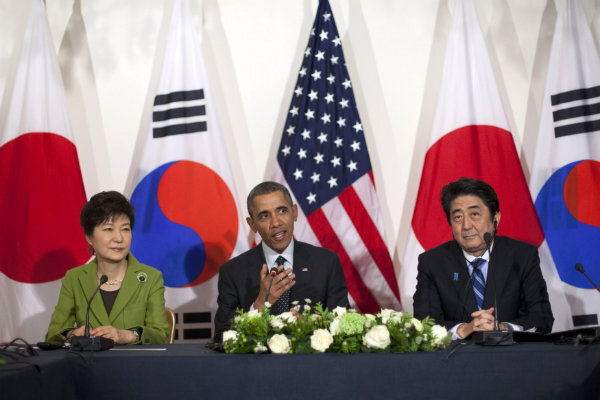 Japan and South Korea: Don鈥檛 let history dictate the futureAddressing a sensitive past will let these two key democratic powers secure a tense region 鈥� and US interests. President Obama's sit-down with Japanese Prime Minister Shinzo Abe and South Korean President聽Park聽Geun-hye聽may have been the start of a needed rapprochement.