All Editorials
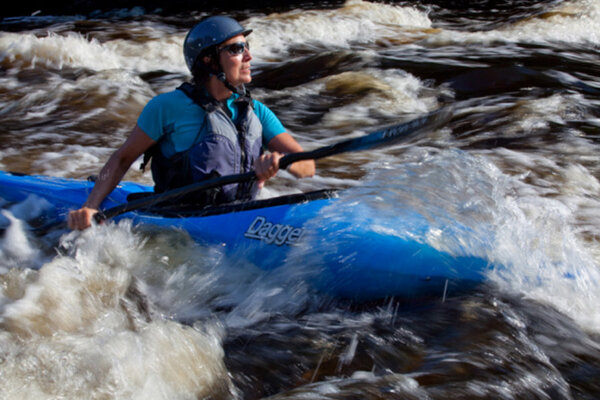 How unlikely partners came together on a Maine riverDecades of dam building had decimated migratory fish populations that had long sustained local wildlife and people on the Penobscot River. After years of contentious battles, local stakeholders struck a deal. Today, for the first time in 200 years, river life is rebounding. And the power company has not lost any hydropower generation.
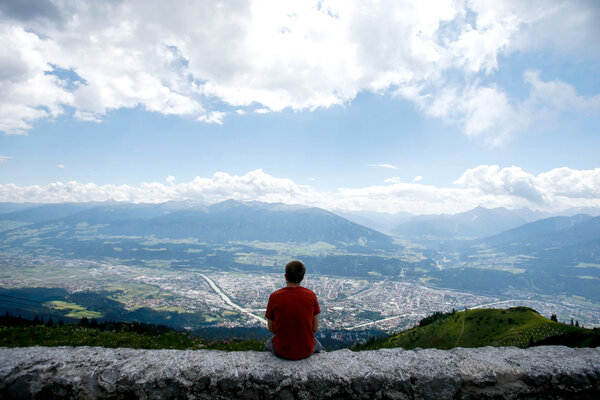 The Monitor's ViewWorried about climate? Take a hike.Scientific studies and cautionary reports have their role. But getting out into nature makes us love it.
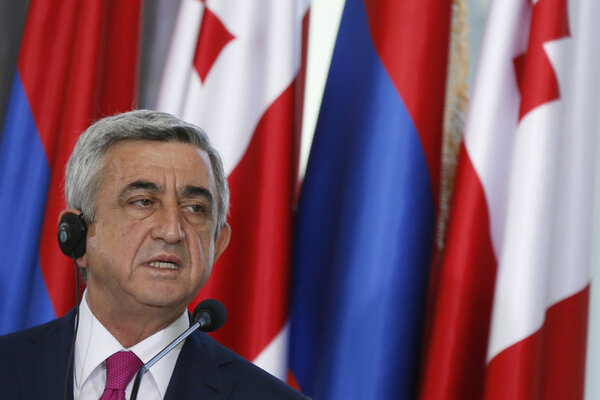 Readers RespondA different narrative for the Armenian-Azerbaijani conflictWe take issue with Svante E. Cornell鈥檚 characterization of the Nagorno-Karabakh (Artaskh in Armenian) conflict in his June 10 op-ed聽鈥淲hy America must step up its role in resolving Armenian-Azerbaijani conflict.鈥�
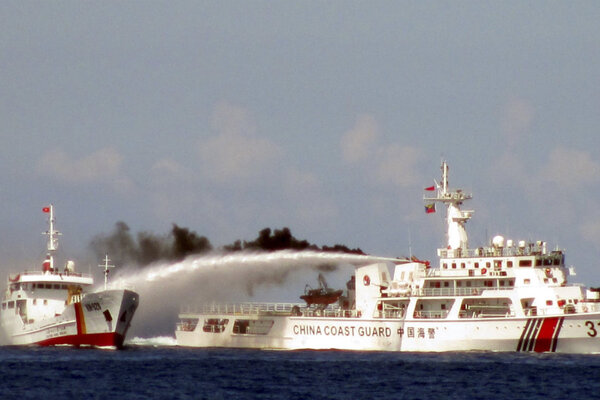 Global ViewpointHow China and the US can avoid a catastrophic clashBy provoking US allies, Beijing is forcing Washington to choose between abandoning its friends or going to war with China. Both believe the other will back down. But there is a high chance that they are both wrong. America鈥檚 best move then is to change the game in Asia, by offering to share power if China behaves responsibly.
- Global ViewpointHow China and the US can avoid a catastrophic clashBy provoking US allies, Beijing is forcing Washington to choose between abandoning its friends or going to war with China. Both believe the other will back down. But there is a high chance that they are both wrong. America鈥檚 best move then is to change the game in Asia, by offering to share power if China behaves responsibly.
- The Monitor's ViewA ruling to reshape the world economyThe US Supreme Court tells Argentina that its sovereignty as a state is not above the principle of treating creditors equally in a bankruptcy. The decision helps set a moral norm that can boost the global financial system.
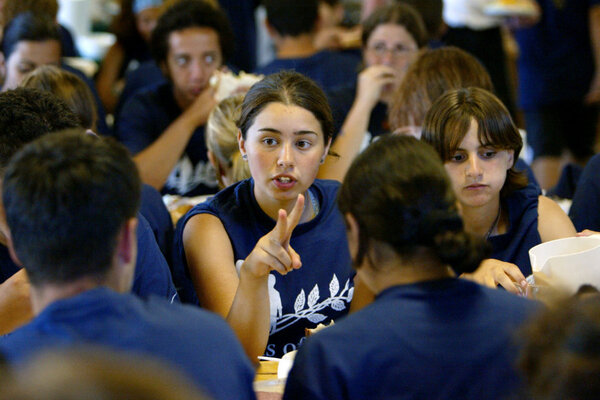 How to build peace, one teenager at a timeAt Seeds of Peace, we bring kids from conflict zones together to learn to see each other and their differences in a new light. Now, our first generation of alumni are emerging as leaders of their societies and leveraging their experience to build peace.
- How to build peace, one teenager at a timeAt Seeds of Peace, we bring kids from conflict zones together to learn to see each other and their differences in a new light. Now, our first generation of alumni are emerging as leaders of their societies and leveraging their experience to build peace.
 The Monitor's ViewIn Colombia and Afghanistan, elections that pacifyElections in Colombia and Afghanistan put a democratic stamp on talks with rebels, or a listening to their political views while rejecting their violence.
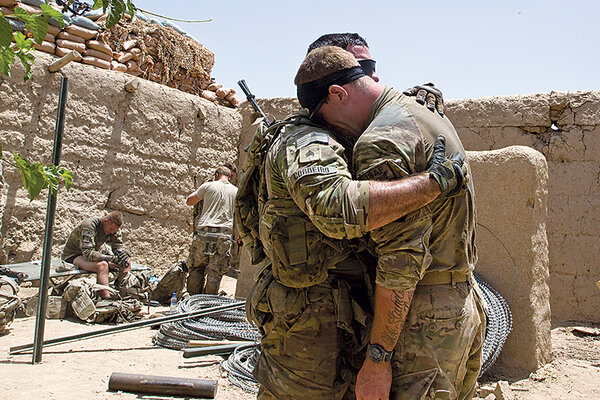 Learning compassion from combatWars end. Nations move on. But for those who fought, the memories of combat -- of pain, loss, and desperate choices -- don't easily fade, which is why compassionate, effective ways of coping with war's aftermath are so important.
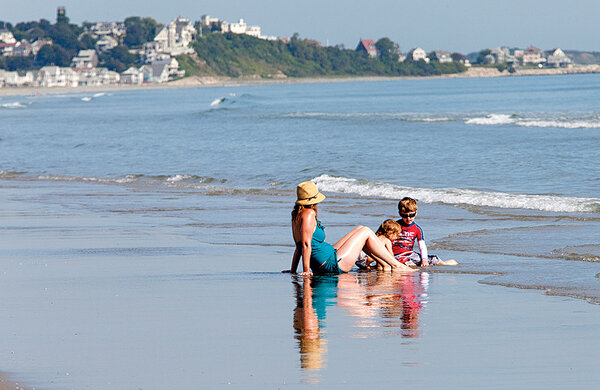 Rethinking the old '9 to 5'Sometimes by choice, sometimes involuntarily, the US labor force is shifting from a one-size-fits-all work week to more flexible arrangements. Not everybody can swing it, but those who can often discover that there's more to life than labor.
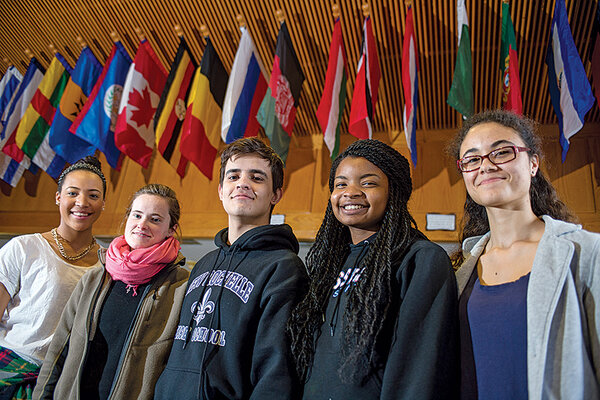 Is college worth what it costs?Deciding on a college, getting into it, and paying for it is a huge decision for most high school graduates and their families. Is all of the drama, sacrifice, and debt worth it?
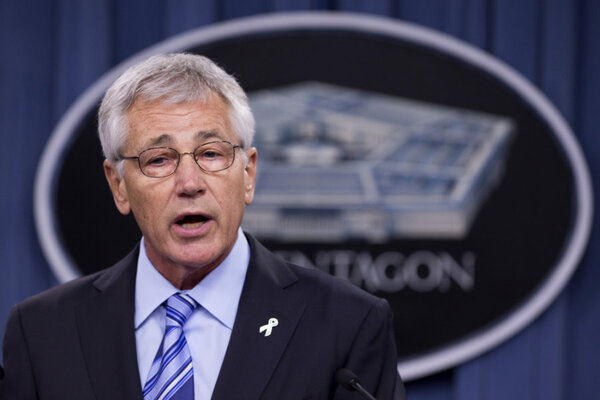 OpinionWhat it will take to end sexual assault in the militaryThe epidemic of military sexual assault requires continued pursuit of reform. With that in mind, we recently introduced the FAIR Military Act, which is aimed at eliminating bias in the military justice system and increasing accountability among all levels of the military.
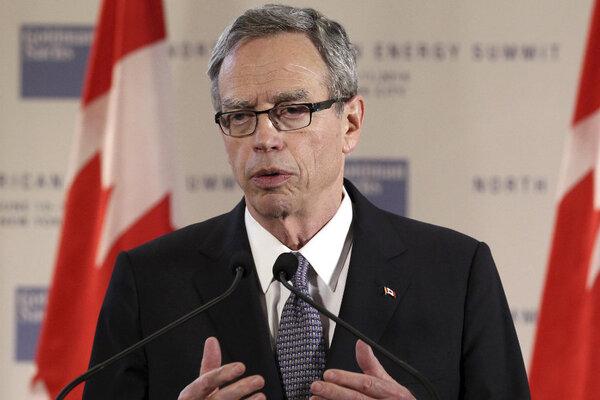 Readers RespondReaders Write: Time to end, not invest in, fossil fuels; The semicolon鈥檚 rise 鈥� and demise?Letters to the Editor for the June 16, 2014 weekly magazine:聽CUTLER:聽The main opposition to the Keystone XL pipeline is that any production of hydrocarbon fuel is foolhardy in the face of imminent disaster from climate disruption, regardless of how that fuel is shipped.ANDERSON:聽Proper use of the semicolon plagued translators of the King James Bible just as it does students of today. Its place in modern is now threatened by another mark of punctuation 鈥� the em dash.
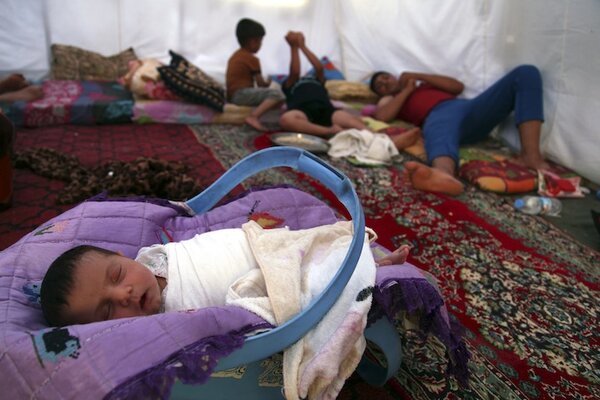 The Monitor's ViewRally Iraq's Muslims against ISIS beheadingsThe ISIS rebels in Iraq advanced quickly in part because they use beheadings to instill fear. The world, as well Muslims, must condemn this tactic. Even Al Qaeda rejects it.
 OpinionDigital addictions mean we can't read books anymore. And that's a problem.To read a novel, once upon a time, all you had to do was suspend your disbelief. Now you have to suspend your belief that the world will end if you lose digital access for a few hours. That's a shame.聽Because reading is still the best way to lose yourself, in my opinion.聽
 The Monitor's ViewIn Cantor defeat, a lesson on how to treat votersA stunning primary loss for the well-funded House leader Eric Cantor to a relatively unknown candidate may show voters in the Internet Age refuse to be treated as naive targets of expensive campaign tactics.
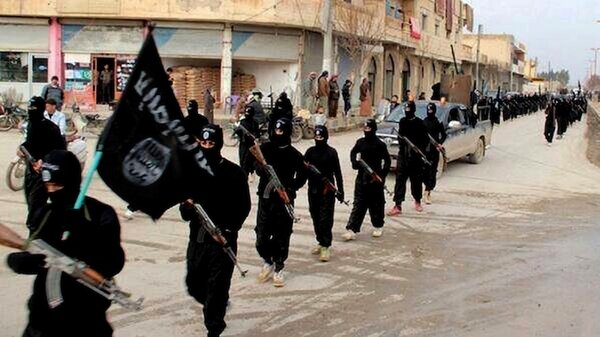 The Monitor's ViewCan an Islamic caliphate survive in today's Mideast?As the Muslim militant group ISIS advances in Iraq and Syria, its chances of establishing a strict Islamic theocracy will be weakened by its inherent flaws.
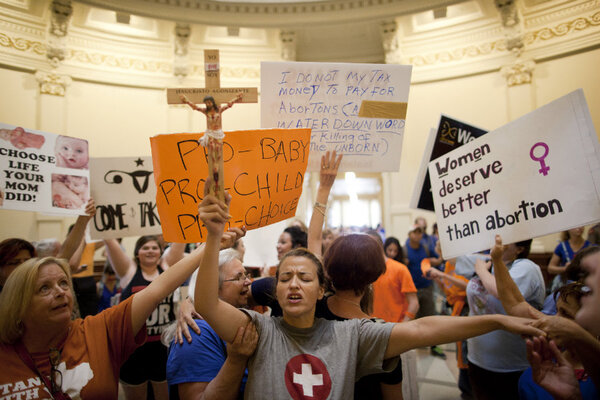 Civil discourse that doesn鈥檛 taste like broccoliNeither a barrage of facts nor a sense of civic duty alone will make people reexamine their positions. As we've learned at The Village Square, civil discourse requires friendship, humor 鈥� and irreverence.
- Civil discourse that doesn鈥檛 taste like broccoliNeither a barrage of facts nor a sense of civic duty alone will make people reexamine their positions. As we've learned at The Village Square, civil discourse requires friendship, humor 鈥� and irreverence.