All The Monitor's View
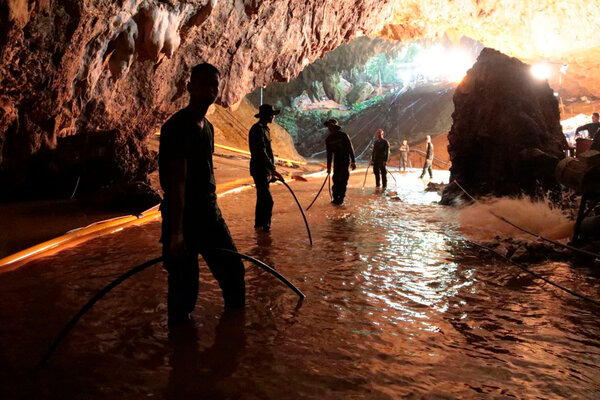 Thai cave rescue: a metaphor on climate adaptationThe world鈥檚 empathy toward the boys and rescuers shows what is possible in unifying behind adaptation to other weather risks, including the effects of climate change.
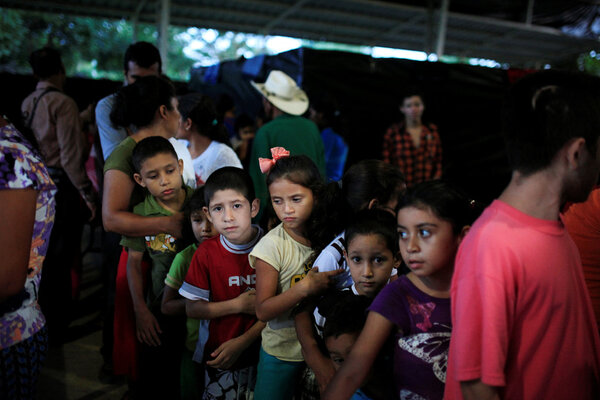 Why Trump can鈥檛 ignore Central AmericaAs Europe has discovered with Africa, the US is learning again with its migrant crisis that poor and troubled neighbors cannot be shut off simply by more border security. Being secure requires being neighborly.
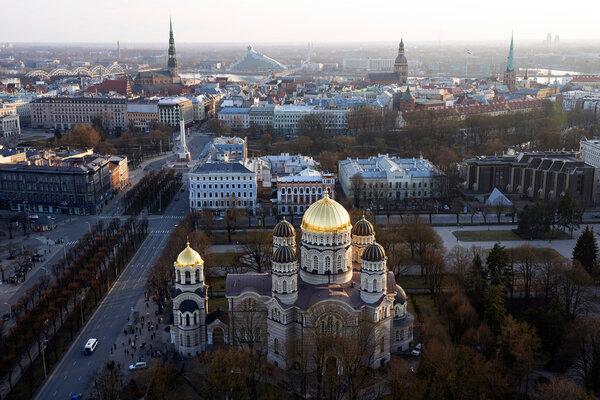 Can NATO use truth against Russian lies?The alliance鈥檚 coming summit can be used to support nations in Europe that are learning how to counter Kremlin disinformation with 鈥榗ritical thinking鈥� among their citizens.
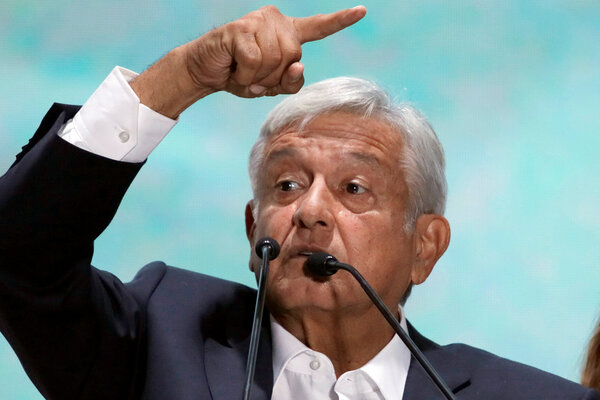 An impending revolution in MexicoThe incoming president, Andr茅s Manuel L贸pez Obrador, promises a radical approach to ending corruption, one based on a view of people as moral. Yet he also assumes people only need to see a leader who sets a good example.
 AI can have values if not a conscienceThe author of 鈥楩rankenstein鈥� started us on a long path to steer new technologies to a higher good.
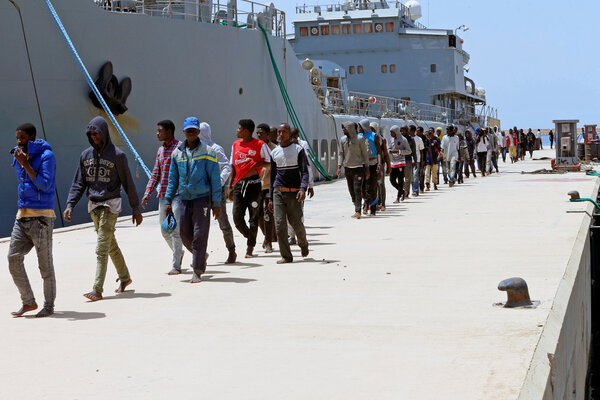 EU鈥檚 migrant plan is about more than migrantsThe plan aims to relocate migrants in ways that both help them and relieve pressure from Europe鈥檚 anti-migrant parties. It will also assist the EU in rediscovering its reasons for unity.
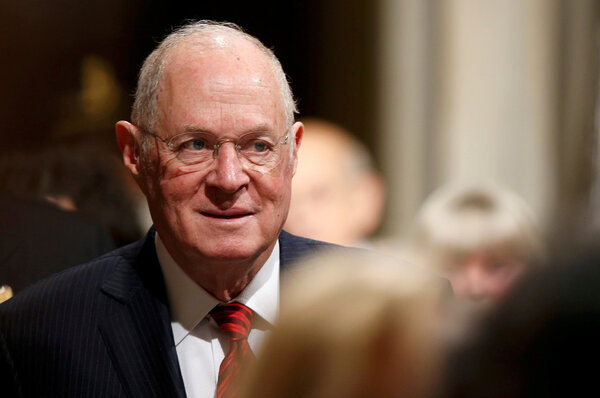 How to use Justice Kennedy鈥檚 legacy in picking his replacementThe nation鈥檚 intense battles over Supreme Court nominees could use a few lessons from the retiring justice鈥檚 main theme: dignity.
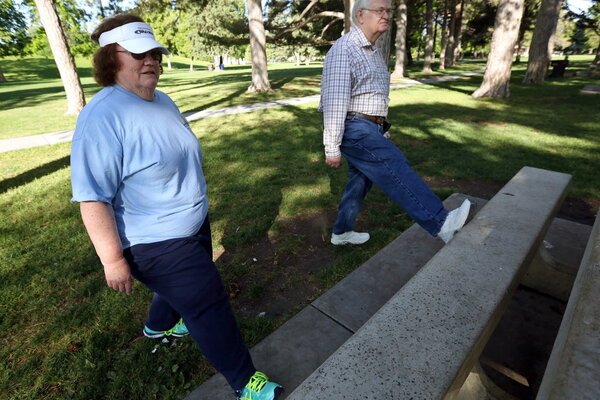 Shifting views of seniors: less burden, more assetThe average age of Americans may be rising and creating financial worries for younger workers, but also rising are expectations of what the senior years can really mean.
 Extending compassion beyond migrant kidsThe outcry over family separation at the border has sparked a rise in help for the migrant children. Now that concern can be broadened to include other children in the US also taken from parents in legal difficulty.
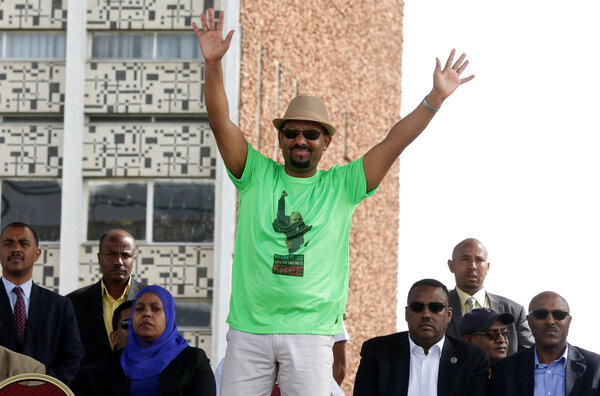 Is love a winning message for Ethiopia?A new prime minister, even in the face of a brutal attack, preaches 鈥榣ove wins鈥� to a country in need of a new political narrative.
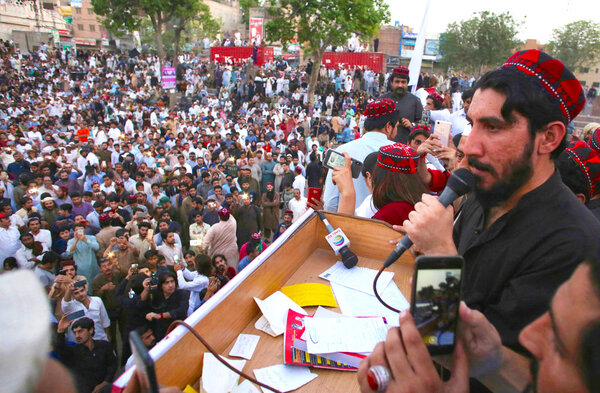 A nonviolent movement challenges Pakistan鈥檚 militarySince January, peaceful protests against military abuses of civilian minorities have emboldened others to challenge the Army鈥檚 grip on democracy.
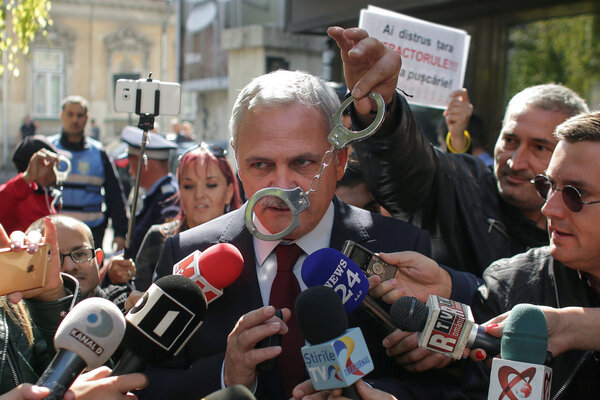 Why nations are not alone in fighting graftDespite its faltering steps against corruption, Romania shows how foreign support and pressure can bring progress toward clean governance.
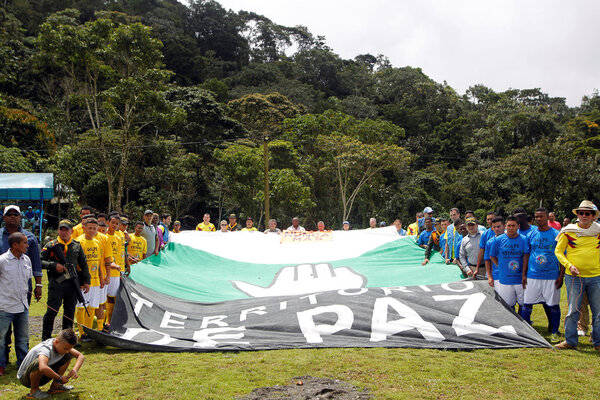 After a long war, Colombia embraces peace at the ballot boxThe election of a new president after a 2016 peace pact was marked with historic firsts that can help reconcile Colombians.
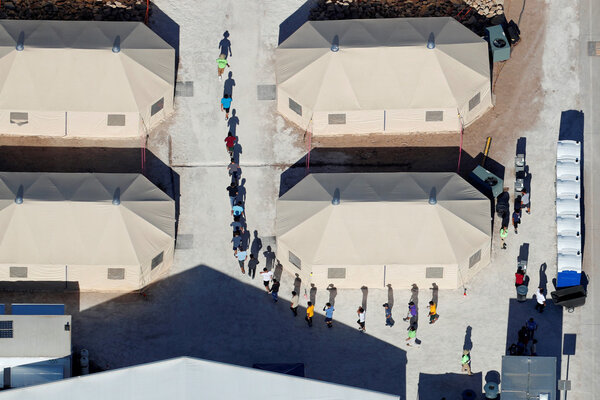 In immigrant detention, a role for childrenBeneath the moral debate over Trump鈥檚 actions on the children of detained immigrants lies a potential to see their innocence as common ground.
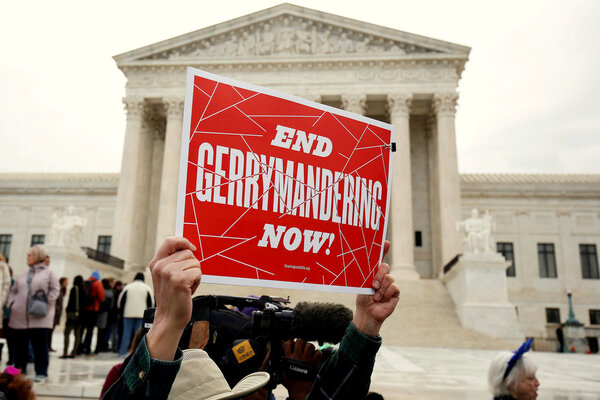 The high court鈥檚 hint on partisan gerrymanderingIndividual voters must first show how such party-driven redistricting harms them, the justices ruled, which calls for voters themselves to cooperate in this very partisan age to end the practice.
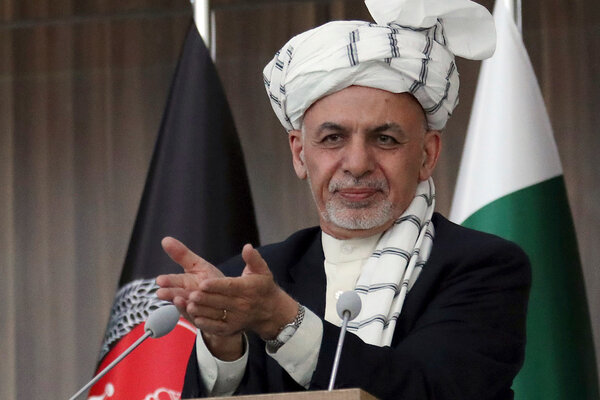 Clues of peace in AfghanistanA declared cease-fire by each side, a peace march, and other steps hint that both the Taliban and the government are reacting to a new public mood for a political settlement.
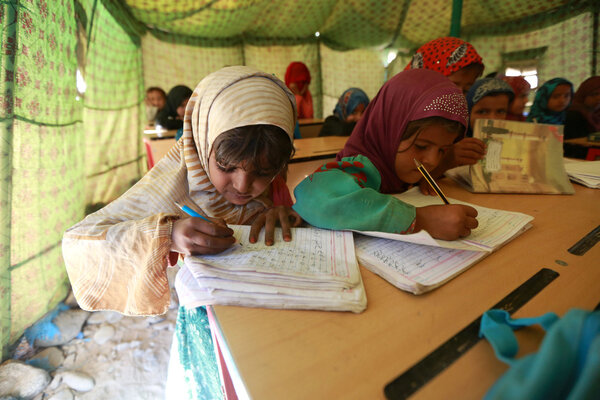 A model of peace to help end Yemen鈥檚 warAmid the country鈥檚 fighting and humanitarian crisis, one province has become both a sanctuary and an example of what a peaceful Yemen could look like.
 Why Russians may bare their teeth at the World CupAs host to the soccer tournament, Russia hopes to not only spruce up its image but teach new habits to its people, such as smiling in public. Mega sporting events have a way of universalizing the best in humanity.
 A summit that may pop fear in North KoreaNorth Koreans saw their leader meeting an archenemy and touting the glories of Singapore鈥檚 economy. Kim Jong-un might have unleashed expectations that his dictatorship cannot control.
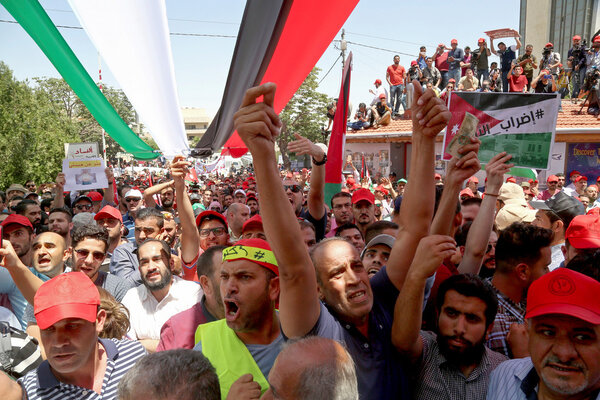 The source of Jordan鈥檚 river of discontentA week of protests has rattled both the Hashemite kingdom and the Middle East, in large part because young people focused on an Arab style of favoritism in government and business. A cultural shift against 鈥榳asta鈥� may have begun.