All The Monitor's View
 Turning around Puerto Rico鈥檚 woesAnti-corruption outrage in the territory looks a lot like that in Chile in 2015. The Chilean tale ended with an embattled leader becoming a successful anti-corruption reformer.
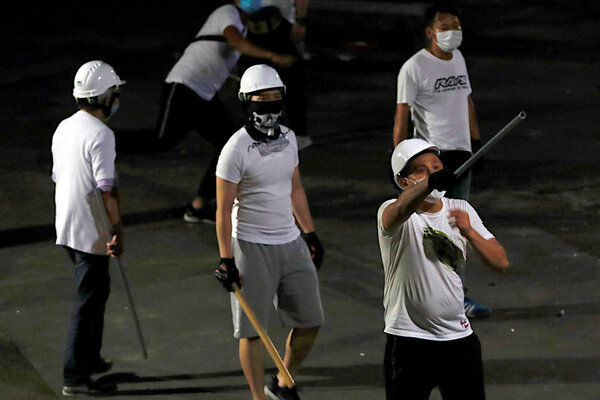 Saving dignity of equality in Hong KongIf the territory鈥檚 officials can punish the pro-China thugs who attacked peaceful protesters on Sunday, it will show rule of law can be applied equally, unlike in the mainland鈥檚 version of justice.
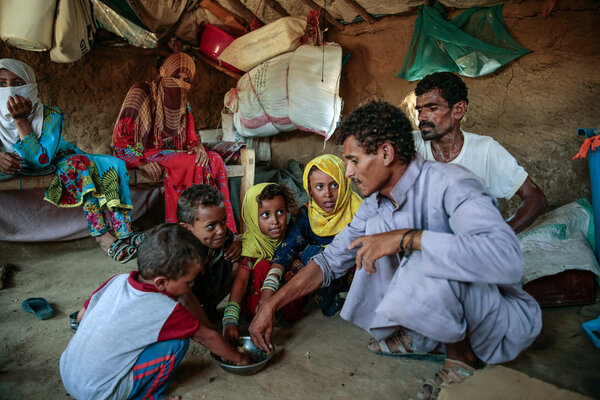 The yeoman service to save YemenThe world鈥檚 largest aid effort is also a tool to end the world鈥檚 worst conflict. As a humanitarian deal between warring parties in Yemen moves along, peace seems more possible.
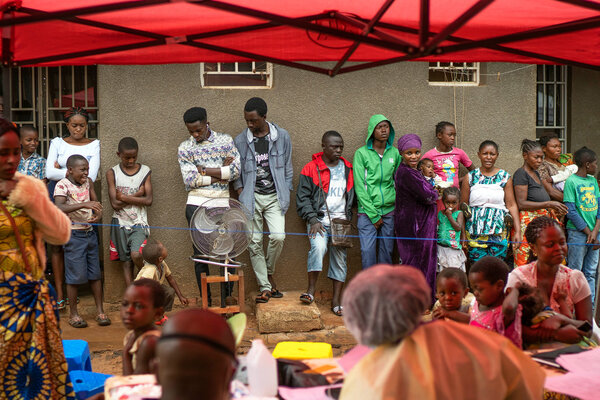 Healing the social wounds behind EbolaThe new 鈥渆mergency鈥� over the spread of Ebola in Africa is really a desire to address the fears and distrust that drive this second-worst outbreak of the virus.
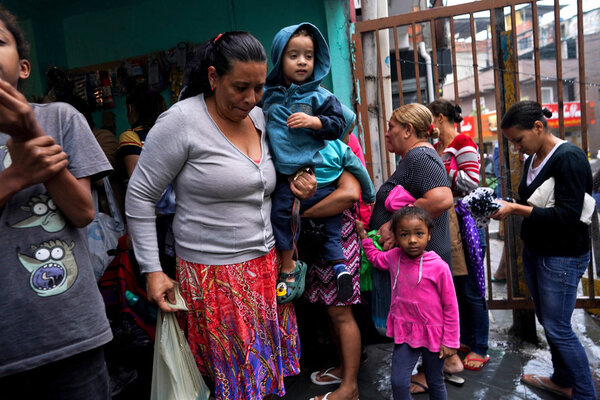 Defining poverty to end itThe latest progress report on poverty uses聽multiple measures. Yet it also points to the need for better definitions of well-being.
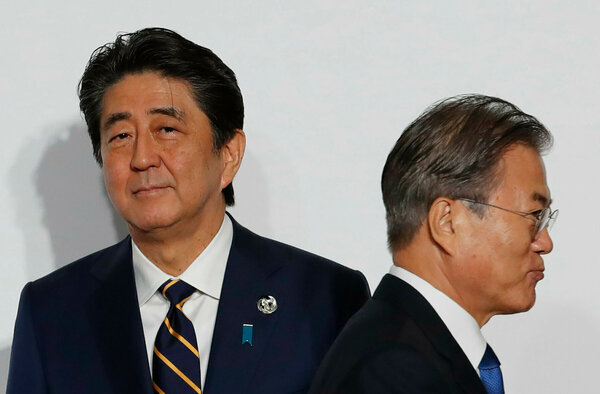 The harmony that belies Japan and South Korea strifeAs relations sour between the two American allies, it may be ever-closer ties between the two peoples that prevent further rupture.
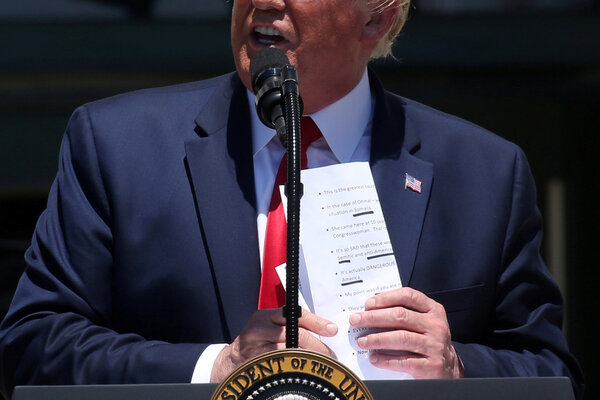 What keeps us from expelling fellow citizensWhen a president suggests political opponents should leave the country, he must contend with those who know what binds a democracy.
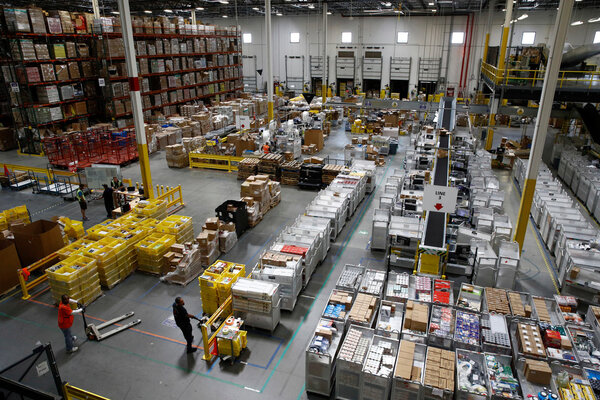 Why Amazon 鈥榰pskills鈥� its workersCompanies may have more faith in retraining current workers by recognizing the talents they already have.
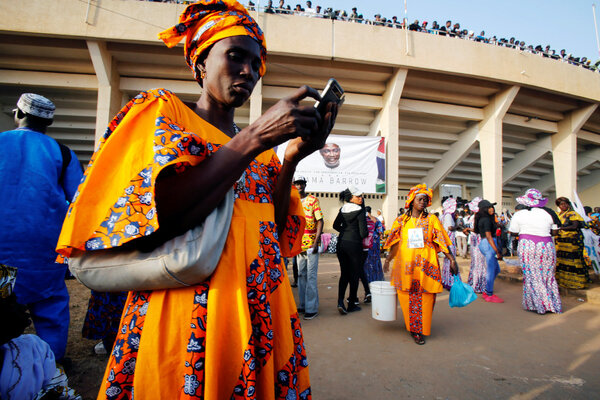 To frame the good or shame the corrupt? Africa鈥檚 choice.More Africans feel hopeful they can make a difference in fighting corruption. One reason may be the few countries raising moral norms.
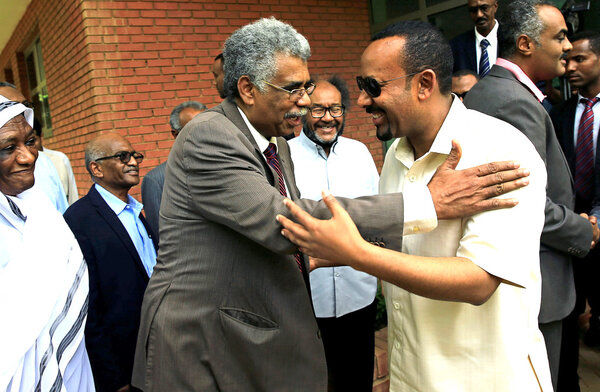 Quiet mediators in noisy placesFrom Sudan to Venezuela, honest brokers are bringing a special skill set to ending conflicts. Not all succeed. Yet their quiet force of moral persuasion can be effective.
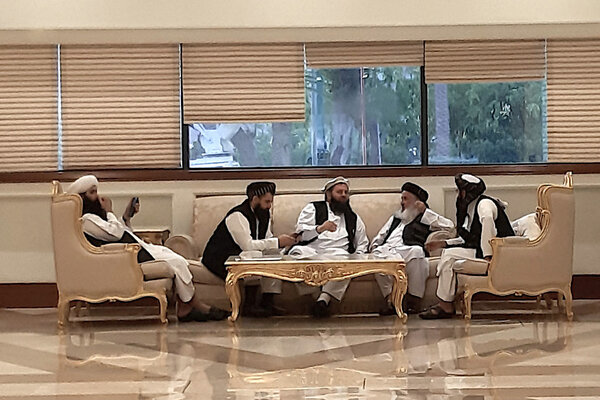 Soft path to a hard peace in AfghanistanThe first talks between Afghan officials and the Taliban may have achieved some progress because of a mood of empathy that was created by the sharing of personal sorrows during 18 years of war.
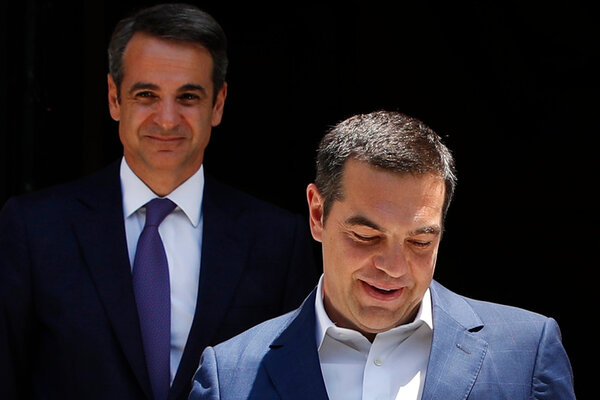 Humility wins in a Greek electionA new prime minister runs against Europe鈥檚 nationalist tide by reminding Greeks they are better off uniting and finding a stronger role in the EU.
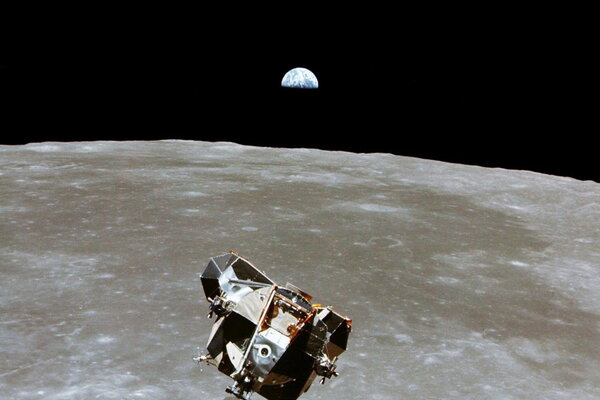 50 years on, why the moon landing still inspiresThe globally televised achievement was a transcendent moment that reflected an unmet need to know and understand creation.
 Take a cue from Britain on sports gamblingA rise in the number of children as problem gamblers has the government cracking down. States in the U.S. rushing to allow sports gambling should take note.
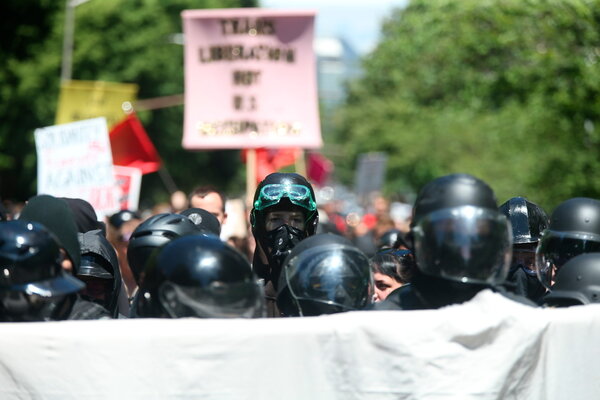 Political hate crimes in Oregon: What can end such violence?Police are on a steep learning curve to prevent clashes between rival demonstrators. Curbing such hate crimes will take more than holding perpetrators accountable.
 Democracies try to boost public serviceVarious leaders propose incentives for volunteering as a way to rebuild trust and instill a culture of giving. In the U.S., two presidential candidates have made it a campaign issue.
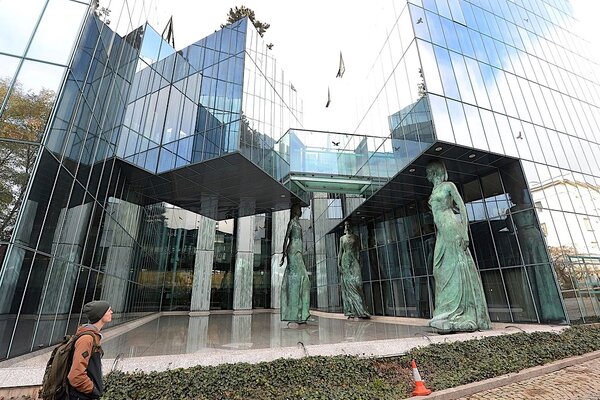 Europe fortifies the independence of judges聽The European Union鈥檚 highest legal body put Poland on notice to uphold rule of law. The ruling also counters Russia鈥檚 claim that liberal values are history.
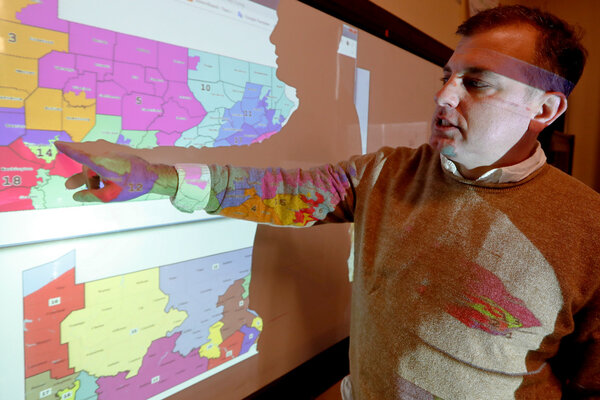 It鈥檚 back to voters to curb partisan gerrymanderingThe Supreme Court鈥檚 decision not to get involved with an inherently political process throws the responsibility back to citizens to decide the boundaries of their political communities.
 How the world adjusts to new family formsA U.N. report cites a growing diversity in types of families, requiring shifts in laws and policies. Whatever their kind, families still are the bedrock of love and identity.
 Iran鈥檚 voices that may drive peace with the U.S.In the U.S.-Iran showdown, those in the U.S. advocating restraint are obvious. In Iran, less so. But it may be women, chafing at social bans, who give the regime pause.