All The Monitor's View
 Safety from economic shocksAlong with its upbeat forecast for the global economy, the World Bank also points to those nations finding new security from financial shocks by aligning policies with settled economic principles.
 How US can help end Syria's war: accept refugeesSyria's neighbors have been far more generous than the US in temporarily resettling millions of refugees. If the US and Europe can now share this burden, it may influence the war's outcome.
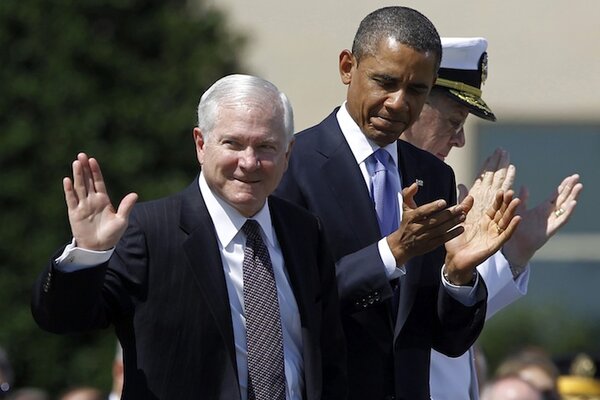 Lessons in Gates memoir on civilian-military tiesThe tell-all book by former defense chief Robert Gates reveals how President Obama dealt with a military he distrusted. Other nations, such as Egypt, need such lessons in civilian rule.
 How Haiti earthquake launched 'digital humanitarianism'On the anniversary of the 2010 Haiti earthquake, it is remarkable to see what was learned about 'crisis mapping' from social media during the natural disaster.
 Heroin moves to the countrysideVermont has recognized its heroin epidemic and is preparing a vigorous response.
 New front in the 'war on poverty'On the 50th anniversary of Lyndon B. Johnson's 'war on poverty,' government must beef up efforts to support family stability, beyond financial means.
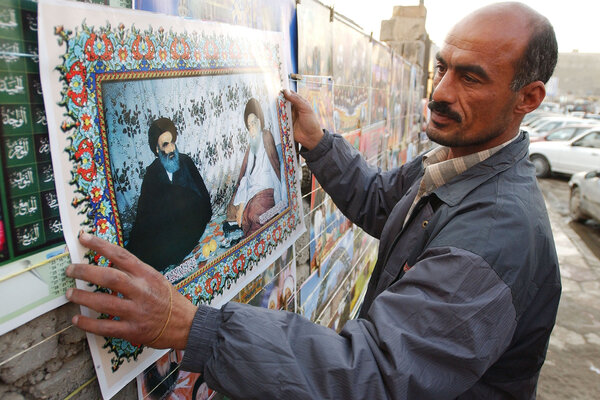 Who can end Iraq's Sunni-Shiite violence?Iraq needs prominent Islamic leaders who back democracy to now speak out for democracy's survival. Who better than Grand Ayatollah al-Sistani - despite his reluctance.
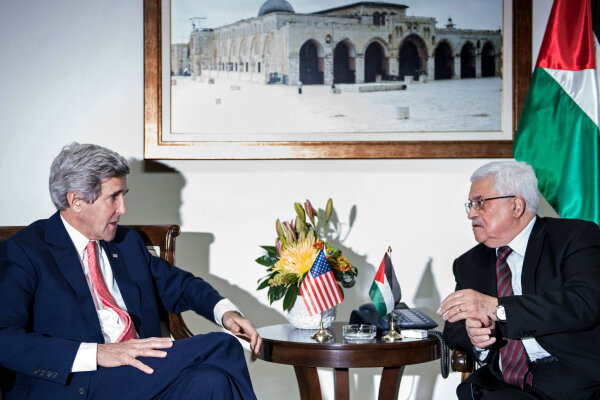 Double-teaming peace in IsraelThough Secretary of State John Kerry and Pope Francis are operating independently, together they form a powerful force for peace between Israelis and Palestinians.
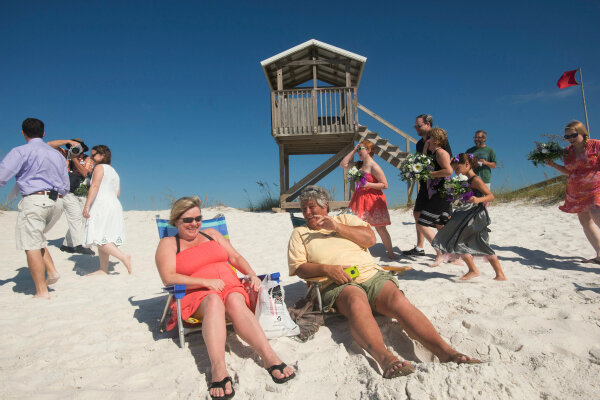 Look to the Sunshine StateIn 2014 Florida will pass New York to become the third-most-populous state. With smart planning, it can continue to fulfill the dreams of its residents and visitors.
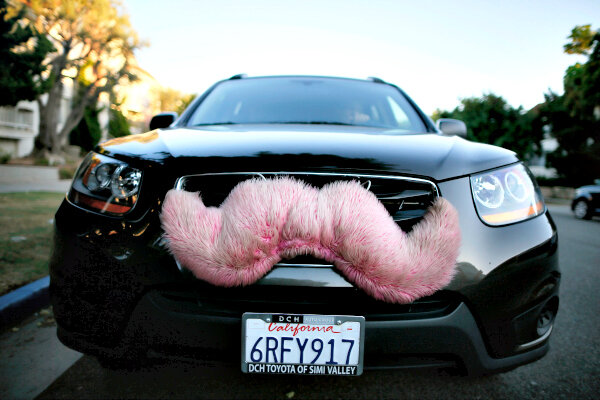 The shared economy鈥檚 growth spurtGovernments must find a balance between regulation and fostering entrepreneurship. But is a 鈥榮hared economy鈥� something more as well?
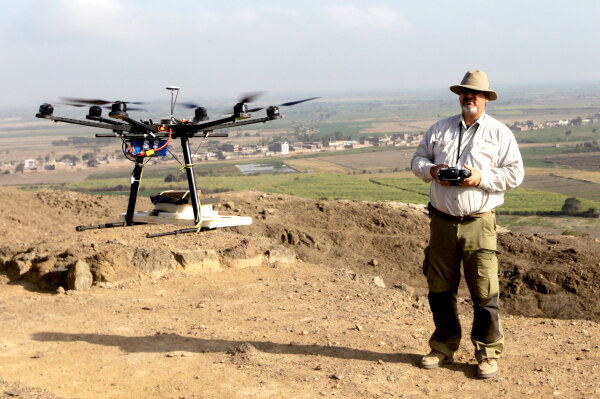 Domesticating drones2014 may begin to show drones as useful servants and not just machines of war.
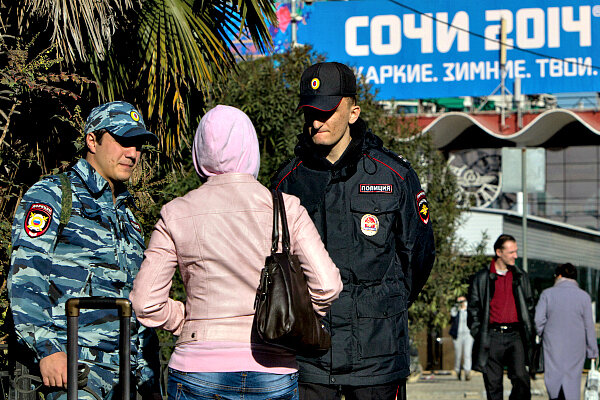 Honor the Olympic TruceTerrorist bombings in Volgograd, Russia, may have had the Sochi Olympics as their real target. The ideal of the Olympics as a respite from violence must be defended.
 What the 2014 economy needs most: trustMany economic indicators are doing well. Yet Americans say they lack certainty about the future, perhaps starting with trust in government handling of the economy. The uncertainty gap needs to close.
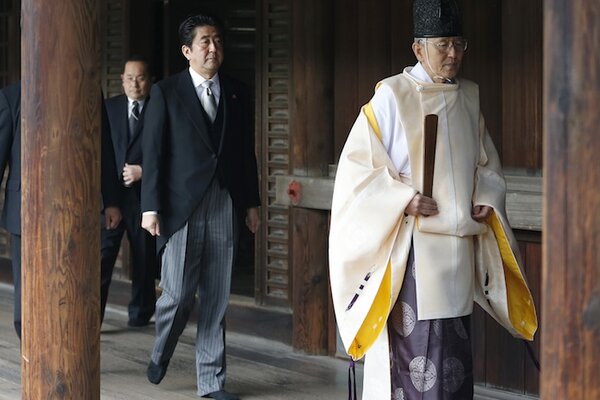 For Japan and China, a day of selective remembranceOn Thursday, China celebrated Mao while Japan's leader honored wartime dead. Both events riled many who want each nation to better recall past atrocities. Doing so is essential to achieving forgiveness and ensuring peace.
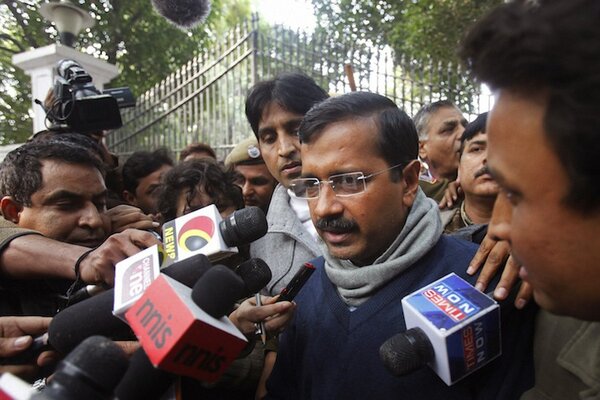 In 2014, keep an eye on IndiaA new anti-corruption agency and the surprise triumph of a young party promising clean government could start democratic India down a better path than China's.
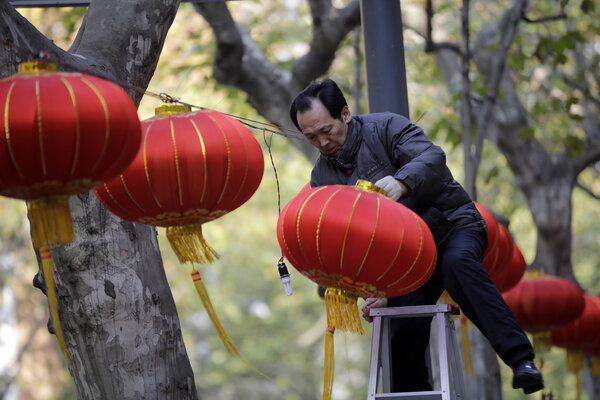 Why non海角大神s are drawn to ChristmasSure, Christmas has enticing secular trappings for countries like China. But some aspects hint at its eternal message.
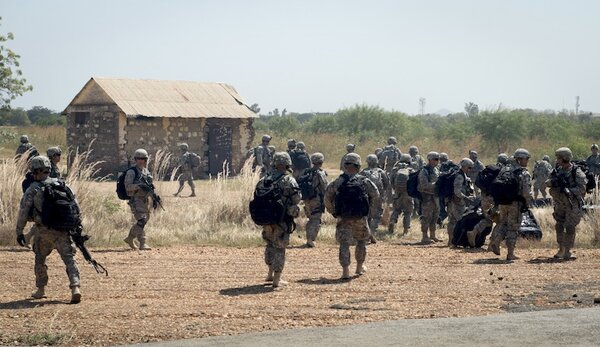 A role for US in South Sudan strifeThe new African nation of South Sudan finds itself facing civil war, just years after being created out of Sudan's civil war. The US, as it did in that earlier conflict, can intervene with lessons in how to shape a nation's identity.
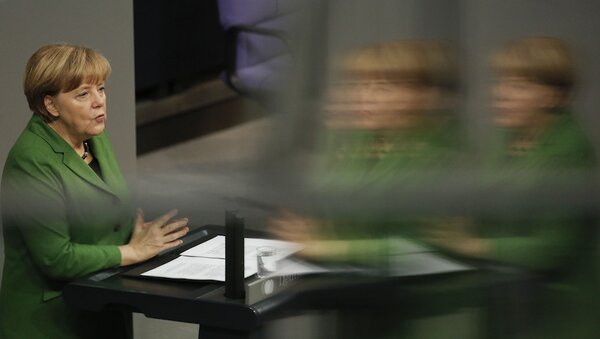 New rules for NSA spying: Protect the presumption of innocencePresident Obama, the courts, and Congress are on a path to set new privacy rules for NSA snooping. While the need to catch terrorist remains, so is the need to preserve a presumption of innocence.
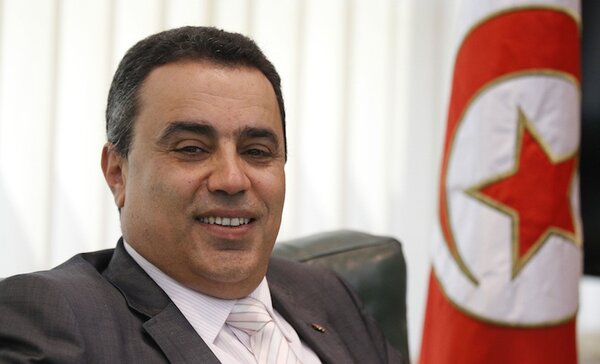 On Arab Spring anniversary, Tunisia again inspiresJust as a 2010 protest sparked an Arab uprising for democracy, Tunisia shows that an Islamist party in power will peacefully step down.
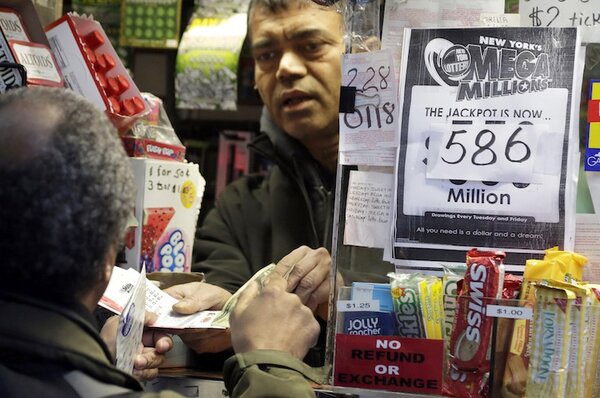 In a Mega Millions jackpot, is there any winner?The winners of the near-record Mega Millions lottery jackpot may get all the spotlight. But if President Obama and others want to reduce income inequality, they should focus on how lotteries create inequality 鈥� with government zeal 鈥� by hurting the poor.