All The Monitor's View
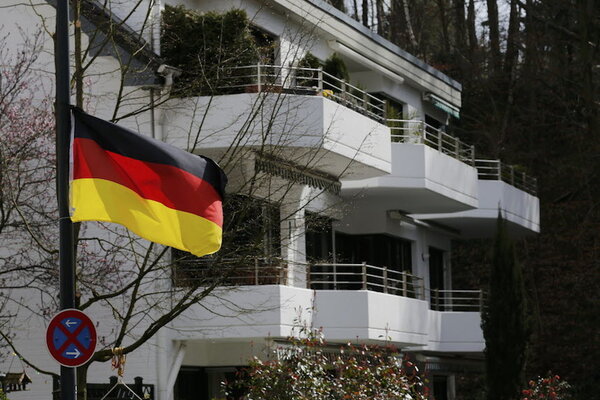 Lessons from Germanwings crash on mental disabilityThe pilot who crashed the Germanwings plane hid his mental problems from his employer. But did he need to? Better ways are needed to help the mentally disabled come forward and to treat them.
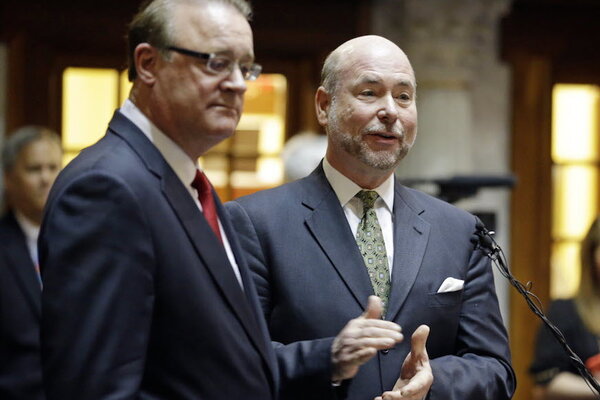 Forbearance and religious libertyThe national storm over Indiana's religious freedom law at least pushes state lawmakers to now prevent another form of discrimination. Balancing rights and the interests of minorities requires forbearance and charity.
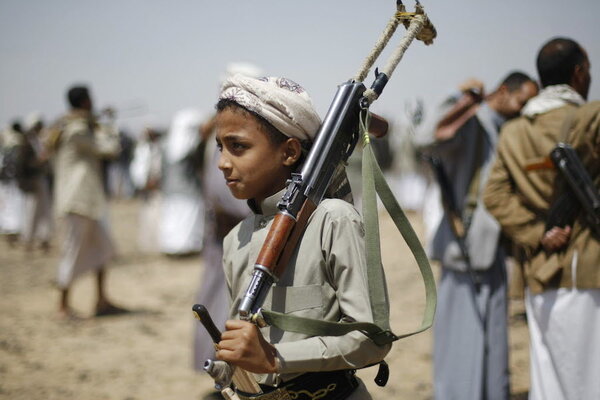 The frontline in liberating child soldiersThe international war in Yemen comes after a surge in the recruitment of children by armed groups and the military. An end to the conflict must focus on renewing the UN's efforts to protect Yemen's teenagers from being pressed into battle.
 One more reason state lotteries are a ticket to nowhereMany states that expose big winners of a lottery are weighing the need for privacy and protection in the digital age. Yet government also want transparency. Such contradiction show why governments should not be peddling 'luck.'
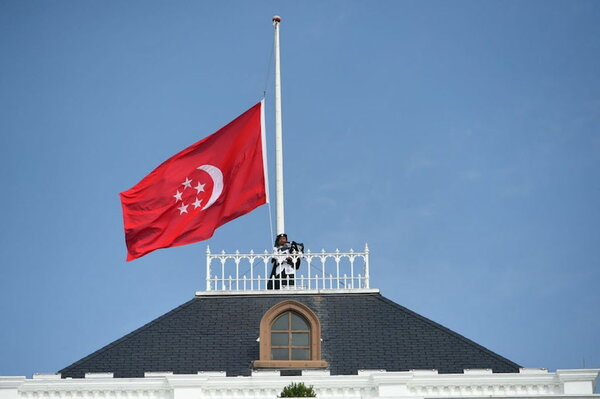 A legacy in Singapore for how countries can rise above ethnicityThe death of Singapore founder Lee Kuan Yew recalls how his tiny country of mainly Chinese influenced China. One lesson still not learned in Beijing: How Lee rose above Chinese ethnicity to set a national identity.聽
 US advice to others it could use itselfThe two Afghan leaders pushed into a coalition last year by the US are visiting聽Washington, a reminder of how the US helps other nations bridge their political chasms even if it can鈥檛 do the same. One lesson for all: Lincoln鈥檚 鈥榯eam of rivals.鈥�
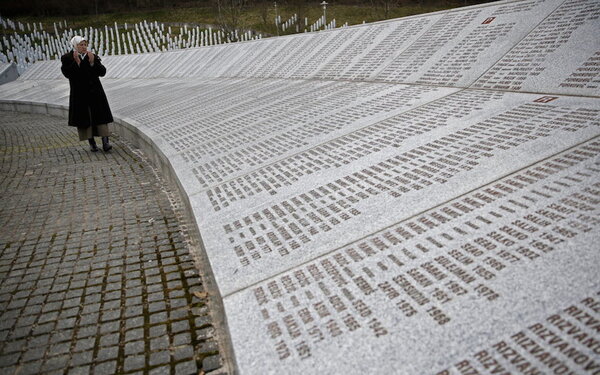 Serbia plants a seed for peace in EuropeOnce a source for war, Serbia has arrested eight men accused of killings in Europe's largest atrocity since the Nazis. Its move suggests it is closer to helping build a peaceful Continent.
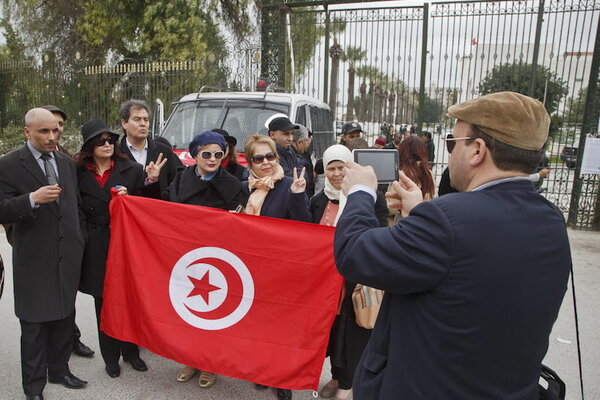 Remodeling the Muslim response to terror attacksAs the Islamic State and other groups step up attacks in the Mideast and North Africa, the responses of each country matter even more 鈥� and reveal sharp differences. Which response will best lead to peace?
 Mexico's high expectations of peaceAs killings drop in Mexico, a study measures the country's potential for peace. It finds attitudes and institutions in place that give Mexico a 'peace surplus.'
 After a divisive election, Israel needs 'to heal'The March 17 election was a victory for Prime Minister Benjamin Netanyahu. But the harsh campaign left too many rips in Israeli society and in ties with the US. Much mending will be needed.
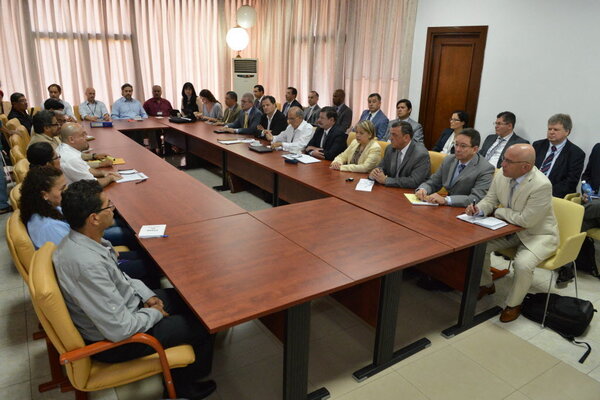 Colombia's virtuous path to peaceIn talks to end six decades of civil war, the government and the rebel group FARC agree on minor humanitarian steps, such as demining, a truth commission, and rural development. These may create trust and empathy for making the hard compromises for reconciliation.
 Human trafficking: bottom-up solutionsBoth the US and Britain are moving to stem sex and labor trafficking. But those involved in the problem say each community must rethink views of the victims and embrace them with aid and support.
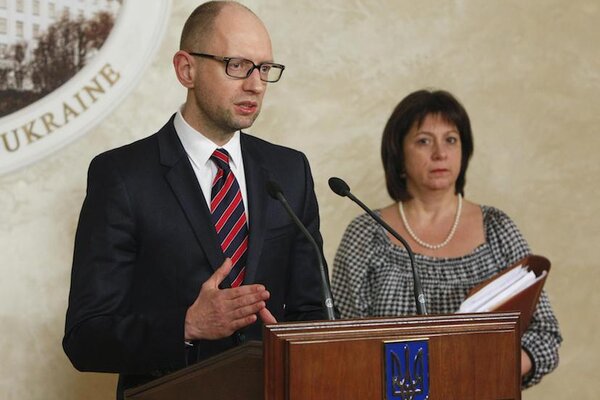 A $5 billion downpayment on Ukraine's futureThe first IMF financial aid to Ukraine reflects an astounding turnaround in civic reform and national identity, despite Russia's threats and a deep legacy of corruption.
 Brazil scores a big goal 鈥� for rule of lawWith a huge scandal at the state oil company, Brazil's high court approves a probe of top politicians, reflecting a rising popular demand for an end to impunity of the powerful and a greater respect for equality under rule of law.
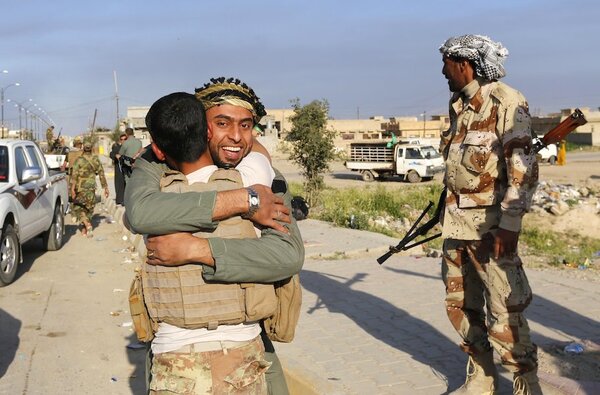 The nonmilitary victories in Iraq's battle of TikritThe Iraqi Army's advance against Islamic State in the city of Tikrit reflects not only a military win but greater inclusion of Sunni and Shiite and, perhaps, a decline in Iraq's cycle of revenge killings.
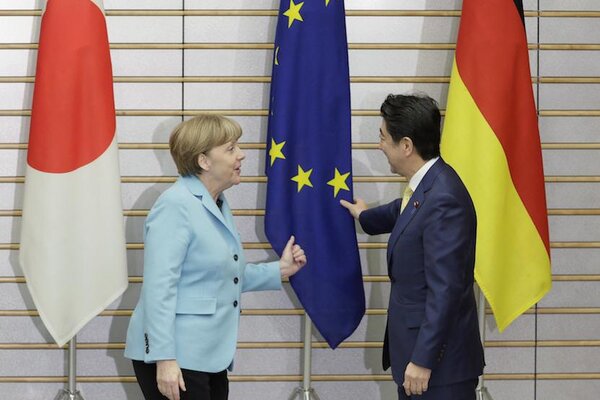 German lessons for an Asia riven by historyDuring a trip to Tokyo, German leader Angela Merkel assisted Japan, China, and South Korea with insights on how postwar Germany and the rest of Europe reconciled. Will they listen?
 How the oil price drop can lift a 'curse'Nations that misused oil wealth now find their mistakes being exposed with the plunge in petroleum prices. This is a blessing for other nations with newfound natural resources. The 'resource curse' could be avoided if they invest wisely.
 Why more, not fewer, people prayDespite record declines in religious affiliation, more Americans pray than 30 years ago. Why? Researchers say those who pray find prayer brings spiritual meaning and understanding.
 China's long march to innovationIts leaders, like those in other countries, worry about 'insufficient' innovation. Yet lately the Communist Party has heightened a climate of fear that only stifles free thought. The Chinese people, meanwhile, have steadily embraced values that drive modern entrepreneurship.
 For ethics in banking, rules aren't enoughFed chief Janet Yellen worries about 'shortcomings' in values among bank workers, and the effects on the financial system. How can banks change from 'mere compliance' to 'good compliance'?