All The Monitor's View
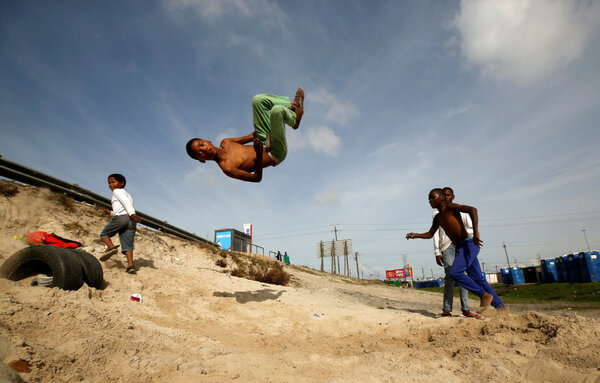 A day for Africans to riseThis year鈥檚 Africa Day was marked by a new movement that seeks to define liberation as starting within each African.
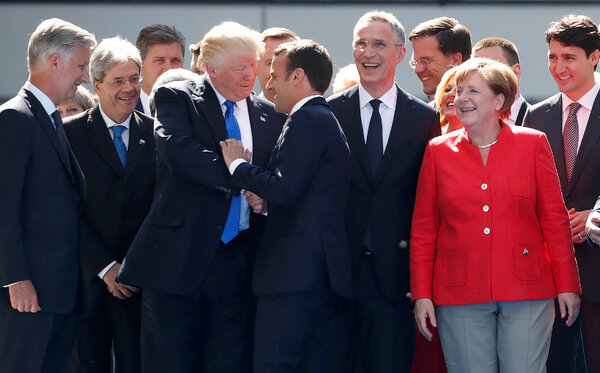 How Trump and Europe rebondedPresident Trump鈥檚 first official visit with EU and NATO leaders shows why the two alliances should be based on values more than interests.
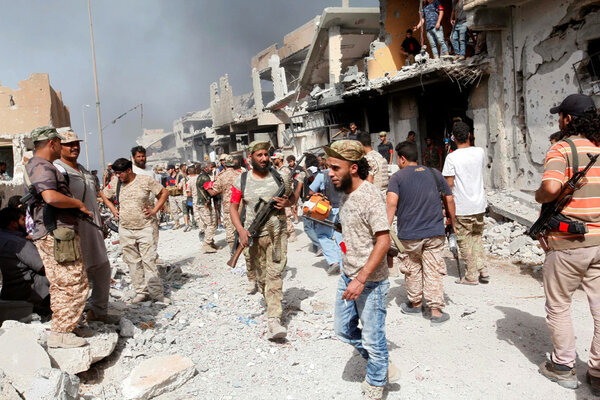 Manchester鈥檚 lesson about fragile statesThe suicide bomber, who seemed like a lost young man, may have been trained by Islamic State in Libya, one of the world鈥檚 most fragile states.聽
 After the Manchester attack: How can Britain better engage its Muslims?Before the May 22 suicide bombing at a concert, Britain was already in a debate on how to prevent such attacks. That debate has lessons for the rest of the world.
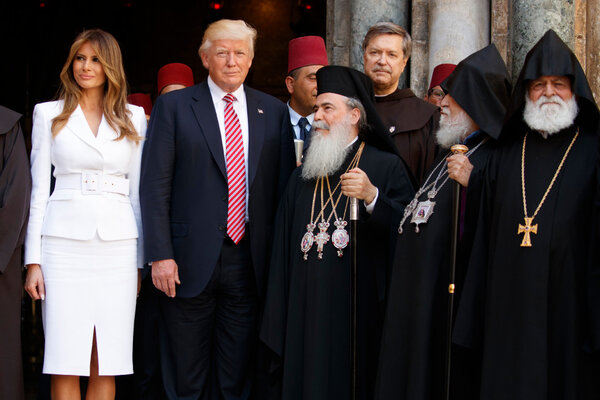 Trump鈥檚 fresh approach to the Middle EastBy design, his first official trip abroad alights in the centers of three faiths, signaling hopes they can use their common roots to unite against terrorists and their supporters.
 How Saudis claim freedomAs President Trump visits Saudi Arabia, he can note how young people are eager to adopt independent thinking 鈥� a force driving much of the change in Saudi society.
 Rising expectations of chief executivesA higher percentage of company leaders are being fired for ethical lapses, but not necessarily because of more lapses but because of a greater public demand for honesty and accountability.
 A peace accelerator in the Mideast desertThe opening of the region鈥檚 first joint scientific research center brings together Israelis, Iranians, Palestinians, Turks, and others for work on a new particle accelerator. Sometimes peace starts through universal activities like science, arts, and sports.
 A US spotlight on Syria鈥檚 slaughterhouseThe Trump administration, after exposing the Syrian regime鈥檚 large-scale killings at Sednaya prison, must explain how it will balance the moral and national interests in Syria.聽
 We are all cyber stewardsThe latest global cyberattack known as the WannaCry was blunted by one person. Rather than cave in to fear of such threats, every Internet user can take more responsibility to protect cyberspace.
 When fear of automation is too roboticTwo studies on the impact of new technologies counter the pumped-up fear of automation. And while displaced workers do need help, most people are not afraid of robots and artificial intelligence.
 The key lesson for picking a new FBI chiefPresident Trump鈥檚 firing of FBI chief James Comey has touched a deep desire to restore rule of law. That desire for universal principles of justice must now guide the president and Senate in selecting a new FBI chief.
 South Korea鈥檚 vote for a new business cultureThe victory for Moon Jae-in as president could be a victory over the notion of hereditary succession in Korea鈥檚 giant conglomerates.
 Liberating students from a drinking cultureThe indictment of a Penn State fraternity after a student鈥檚 death from drinking should stir colleges to reframe the issue of alcohol use. Strong messaging and enforcement may not be enough. Students may respond less to fear and more to fulfilling opportunities.
 France鈥檚 new president: a mender of trust in EuropeThe voter mandate for Emmanuel Macron places faith in fixing France as well as the torn identity of the European Union.
 When conscience, not guns, decides a democracyAs Venezuela鈥檚 peaceful protests grow, its security forces may be hard-pressed to use violence. With cracks appearing in the Maduro regime, soldiers or police may determine the country鈥檚 democratic future.聽
 Applause that drowns out hate speechBoston baseball fans countered an expression of hate toward a black ballplayer with an act of love 鈥� a standing ovation. Ending racial discrimination requires communities to be 鈥榥ormal.鈥櫬�
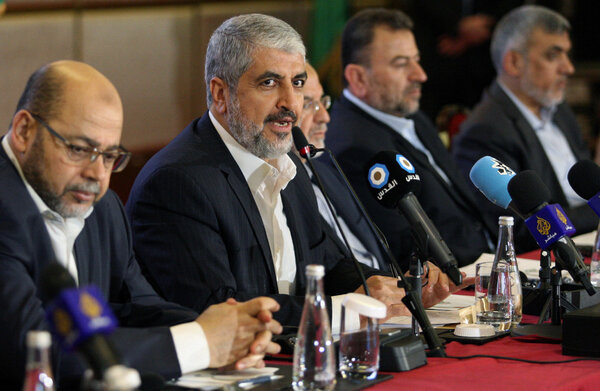 Talk with North Korea? Recent precedents help.President Trump鈥檚 hope for talks with North Korea could be based on recent cases of other adversaries that shifted away from violence and threats.
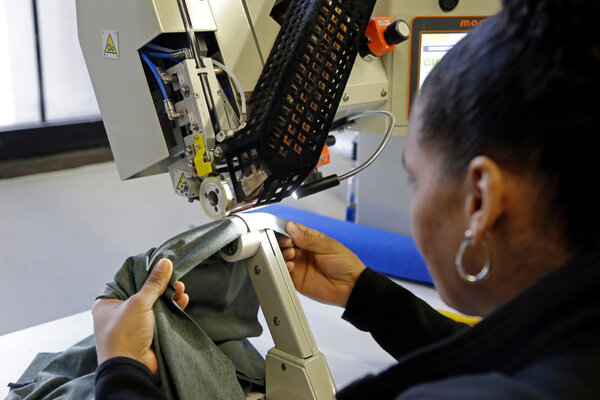 How Congress can be productiveA theme in Washington鈥檚 debates is the need to boost economic productivity. But first Congress must be more efficient itself in agreeing on policies to do just that.
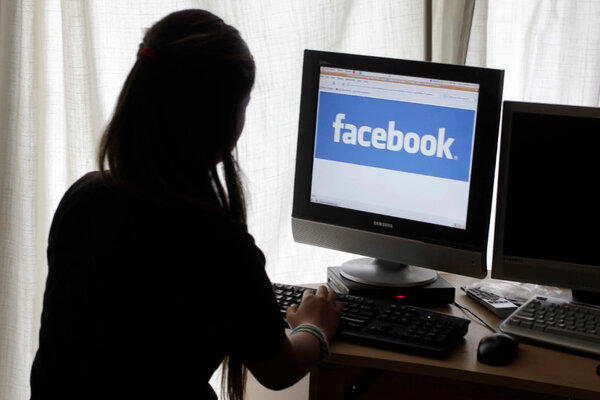 A rise in critical skills for sharing news onlineAs more people rely on social media for news, they also show signs of greater skill in media literacy 鈥� and more responsibility in not passing along fake news.