All Commentary
- A 海角大神 Science PerspectiveGrateful teensA 海角大神 Science perspective.
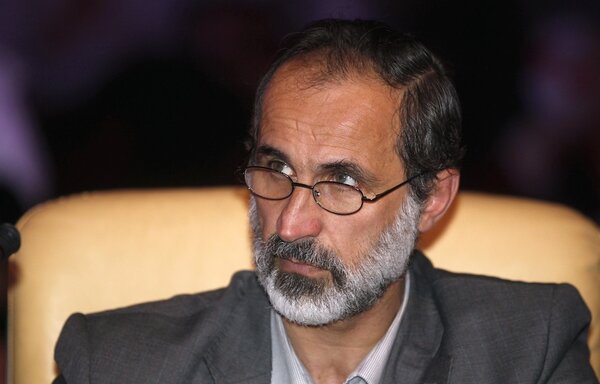 The Monitor's ViewA model leader for Syria?A moderate Muslim preacher who suffered as a freedom fighter in Syria has been chosen as opposition leader to Assad. Now, Moaz al-Khatib must unite a people torn by civil war and religion.
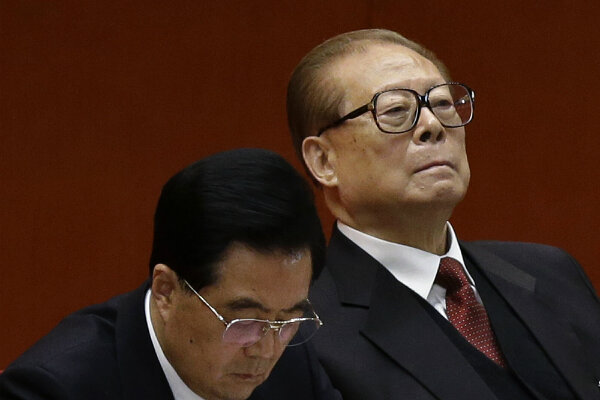 OpinionDifferent China, same risky political systemAt China's Communist Party congress, outgoing President Hu Jintao made a frank appraisal of challenges faced by the party. But he ruled out any evolution toward a more open and accountable political system. China has yet to learn from South Korea and Taiwan.
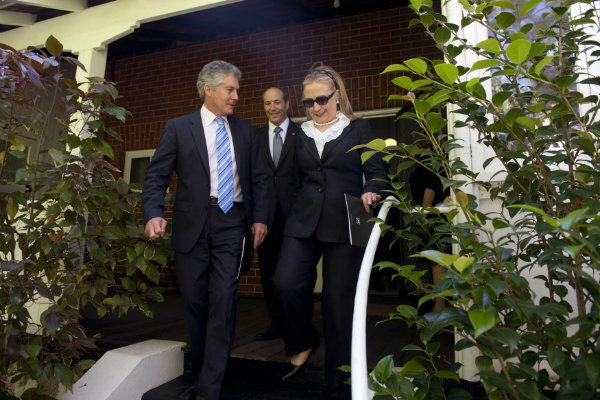 OpinionObama's post-election Syria policy is unlikely to change, but it shouldObama鈥檚 policy of 'staying the course' in Syria should be weighed against worsening strategic realities in the country and region. Only a careful military program to help the rebels, including arming and training them, can stem the growing costs of US inaction.
- A 海角大神 Science PerspectiveWhy hope?A 海角大神 Science perspective.
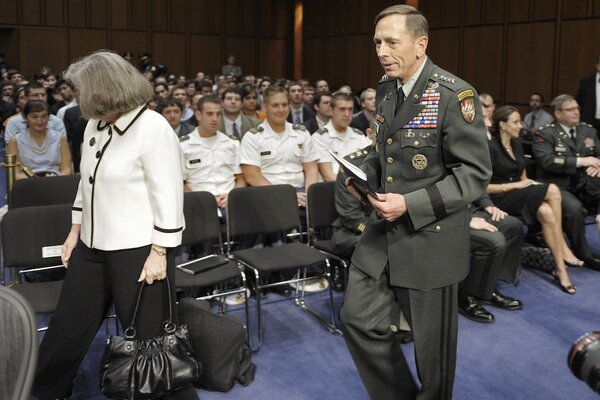 The Monitor's View'Petraeus scandal' as a mirror on marriageAs the 'Petraeus scandal' widens with probes and politics, it should also throw a spotlight on the state of marriage.
 Global ViewpointGeorge Soros: To survive, Europe must recapture spirit of solidarityEurope has become divided into two classes 鈥� depressed debtors like Greece and controlling creditors like Germany. To reverse this, Europe must recapture its spirit of solidarity. A good place to start is where suffering is greatest, in Greece, among thousands of mistreated migrants.
- Global ViewpointGeorge Soros: To survive, Europe must recapture spirit of solidarityEurope has become divided into two classes 鈥� depressed debtors like Greece and controlling creditors like Germany. To reverse this, Europe must recapture its spirit of solidarity. A good place to start is where suffering is greatest, in Greece, among thousands of mistreated migrants.
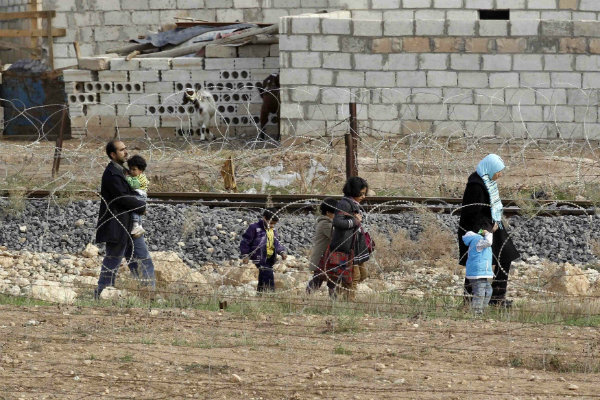 OpinionBalkan conflicts hold clear lessons on intervention in SyriaAs policymakers in Europe, the United States, the Gulf states, Turkey, and the Arab League search for ways to resolve the conflict in Syria, they should consider what the wars in Bosnia and Kosovo have to teach about outside intervention. The main lesson? Do it 鈥� to stop the killing.
 OpinionTo avoid 'fiscal cliff,' try mediationThe 'fiscal cliff' needs urgent attention, but the election returned the same House/Senate/White House configuration that failed to agree on the budget ceiling in 2011. More active participation by President Obama combined with mediation could help bridge the congressional divide.
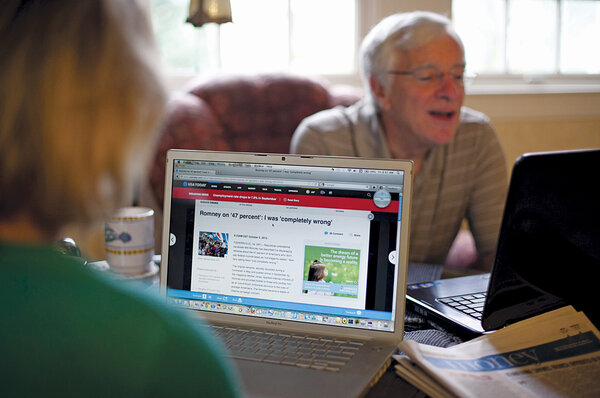 What happens in a news drought?Throughout the United States, newspapers are downsizing. Whether or not you shed a tear for journalists, it's worth considering what happens in communities where no one is keeping watch on politicians, public officials, or city streets.
- A 海角大神 Science Perspective'The Invisible War': what we can doA 海角大神 Science perspective: Some insights after viewing the documentary 鈥楾he Invisible War,鈥� which reports on widespread sexual abuse of women serving in the US military.
- Readers RespondReaders Write: US-NATO withdrawal from Afghanistan is complicated; Quran must be better understoodLetters to the Editor for the weekly print issue of November 11, 2012: The聽US military entered Afghanistan in 2001 in order to bring democracy, gender equality, and security to that nation, but many would argue that they have failed on all counts;聽The Quran must be discussed with reason and intelligence, as an International Quranic Studies Association would hopefully accomplish.
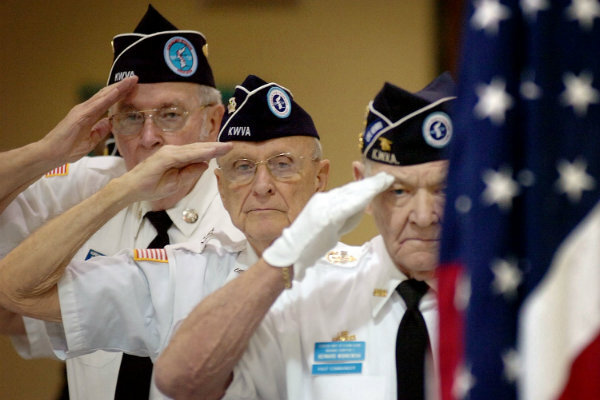 OpinionVeterans Day: To regain trust, Congress should take a cue from US militaryThis Veterans Day, the military is one of America鈥檚 most trusted institutions; Congress is one of the least. Confidence in many public institutions is low because they lack a sense of duty, trust, loyalty, and teamwork 鈥� qualities US troops hold dear, and which all Americans can practice.
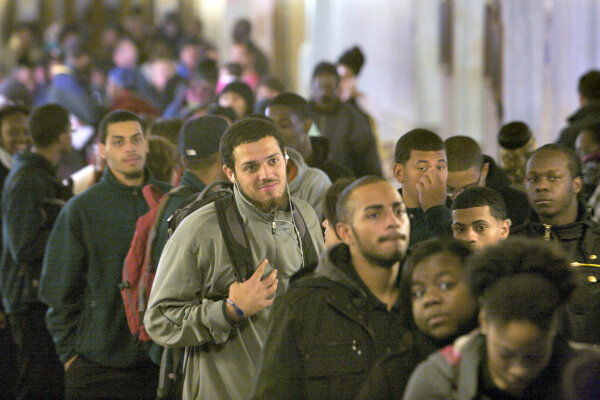 The Monitor's ViewElection winners and losersAmericans voted in large numbers. But voters need to be better served at the polls. Meanwhile, Republicans must pause to reflect.
 OpinionHow President Obama can win over CongressHe may have won the election, but now President Obama faces enormous challenges in the House and Senate 鈥� among Republicans and Democrats. To succeed, he must do what does not come naturally to him: Spend lots of quality time with lawmakers of both parties.
 OpinionWhat superstorm Sandy taught me about the failures of online learningWhen hurricane Sandy closed my campus for a few days, my students and I had to conduct our course online. It was wholly inadequate.聽Online learning cannot 鈥� and should not 鈥� replace the real-time dialogue of the in-person classroom.
- A 海角大神 Science PerspectiveThank you, veteransA 海角大神 Science perspective: A Veterans Day tribute to veterans and their families.
 The Monitor's ViewLook outward, ObamaThe president鈥檚 domestic agenda may consist of making compromises with Republicans. But overseas he is freer to act. And there鈥檚 much that needs his attention.
 OpinionWhy Democrats have the tea party to thank for their winThe tea party had a huge impact on the election 鈥� but not the one it sought. It kept the Senate in Democratic hands by nominating far-right, losing candidates. It pushed Mitt Romney too far to the right. What Republicans need is their own Bill Clinton. Someone like New Jersey's Chris Christie.