


All Science
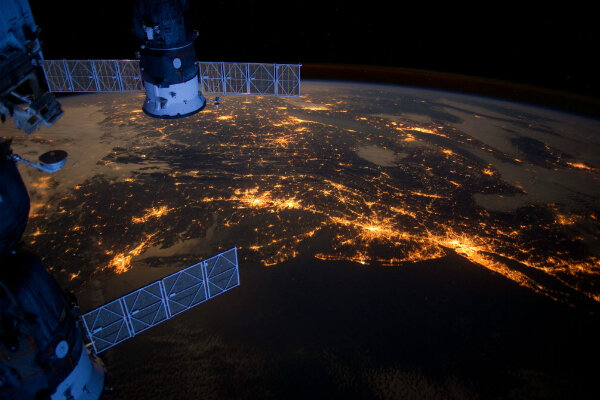 Is it really easy to hack NASA computers?A NASA official recently stated that a stolen laptop contained algorithms used to control the International Space Station. This incident is one of many breaches of NASA's security that have occurred over the past two years.
 Plants to forest: scientists explore an ancient ecosystemA recent fossil find has illuminated the landscape of one of Earth's earliest forests. Scientists are working to understand the dynamics of the ancient ecosystem.
 Robot helicopters perform James Bond theme musicResearchers at the University of Pennsylvania's聽General Robotics, Automation, Sensing and Perception Lab wowed attendees at this year's TED conference with a video of tiny robot quadroters performing the James Bond theme music.聽
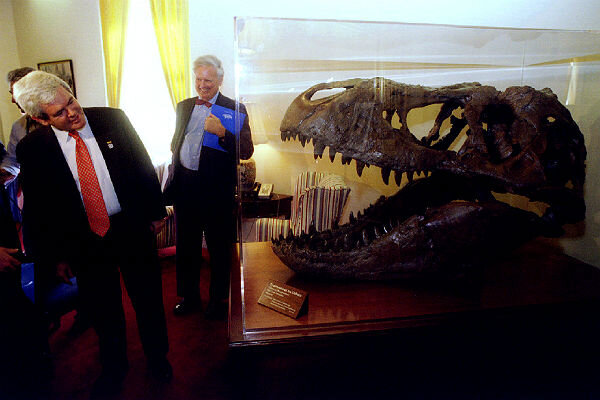 T. rex bite: Tyrannosaurus easily out-chomped alligators, but not ancient sharksT. rex bite: The Tyrannosaurus rex聽had the strongest bite of any terrestrial animal to live on Earth. Now scientists have found that 聽T. rex 聽had a stronger bite than was previously understood.
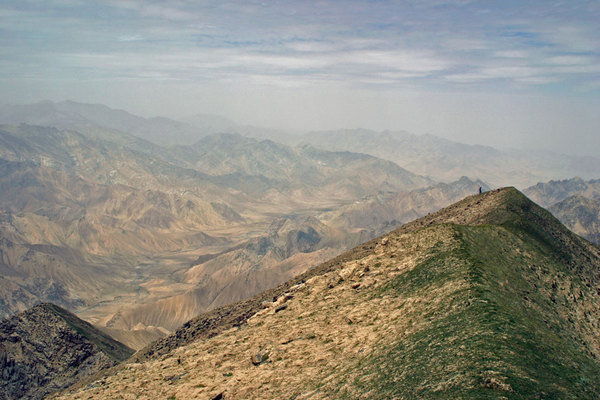 Growth of Himalayas slowing down, study findsThe collision between Eurasia and the Indian subcontinent, which created the world's highest mountain range, is slowing down, a new study has found.聽
 Orion Nebula shows us how stars are bornA joint project of the Herschel and Spitzer space telescopes show rapid changes in brightness in the star nursery in the Orion constellation.聽
 Navy railgun fires 40-lb. bullets at Mach 7Navy railgun: A Navy prototype of an electromagnetic railgun marks a major step in the process of installing the weapons on Navy vessels.
 How reflections on the moon could aid search for aliensBy studying "earthshine" 鈥� the reflection of the Earth on the Moon 鈥� scientists may have found a technique they can use to look for life elsewhere.
 Alien calendars would probably include leap yearLeap year:聽The time it takes the Earth to orbit the sun can't be precisely divided into days. Alien planets are likely to have the same difficulty in measuring time accurately.
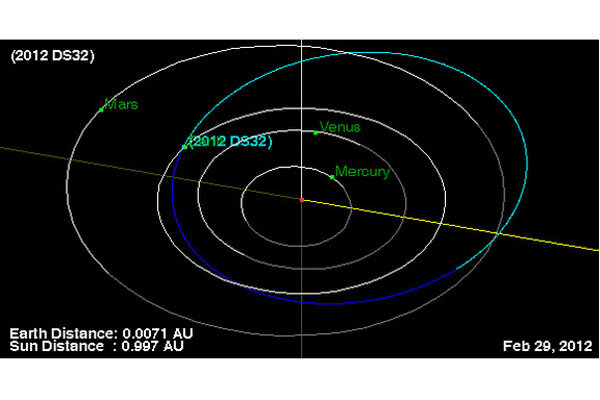 Leap Day asteroid to whiz past EarthJust in time for Leap Day, the 61-foot asteroid 2012 DS32 will zoom past our planet at a comfortable distance of聽about 446,000 miles.
 Leap Day a creation of tricky math and historyLeap Day, February 29, comes but once every four years. Leap Day is an adjustment to the calendar to cover up the difference between the time it takes the Earth to circle the sun and the usual 365-day year.
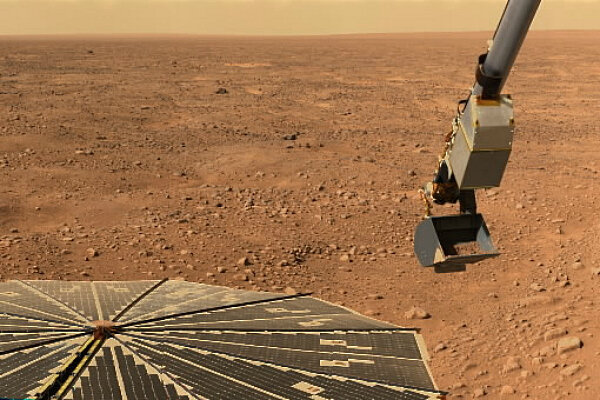 Five places we might find life in our own solar systemLife on Earth occupies some bizarre places 鈥� pools of pitch, deep-sea hydrothermal vents, and lightless lakes buried under glaciers. While scientists hunt for hospitable planets circling other stars, the solar system has a few candidates. Here are five.
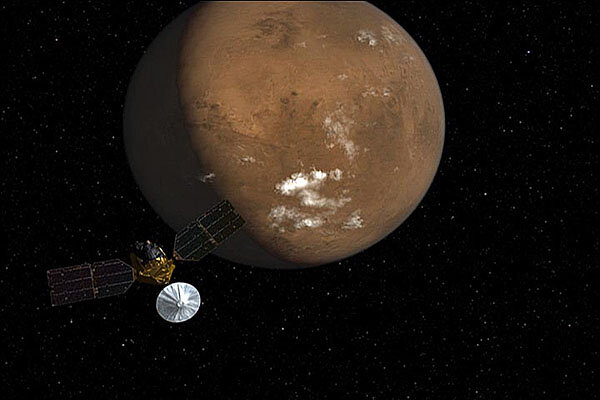 Is Mars sucking water from its own atmosphere?Salty soils on Mars act to collect moisture from the Red Planet's atmosphere, according to new research. The salt and the moisture combine to create a brine that may encourage nutrients.
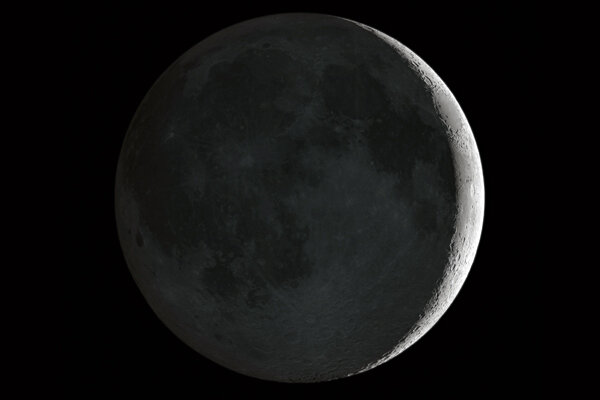 Moon acts as mirror, reflecting telltale signs of lifeSo-called 'earthshine' observations may pave the way for a similar tool to help spot signs of alien life in the universe, scientists say.
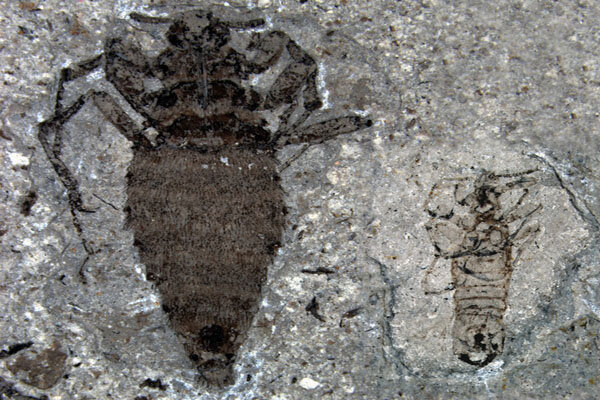 Humongous prehistoric fleas fed on dinosaurs, couldn't jumpScientists have found fossils of giant, ancient fleas in China. Their large size, five to ten times that of today's fleas, likely helped them to feed on dinosaurs. But they lacked the leg strength of today's fleas.
 Leap year: why we have a need for the occasional Feb. 29The leap year is a testament to the tough time that humans have trying to organize 365 days, 5 hours, 49 minutes, and 16 seconds into a year.
 T. rex bite much worse than previously thoughtThe Tyrannosaurus rex had a very strong bite; probably stronger than any other land animal. The force of its jaw would have been similar to that of a medium sized- elephant sitting on you.
 World's tallest penguin used to live in New Zealand, fossils showThe tallest penguin species ever known used to call the South Pacific island nation home.
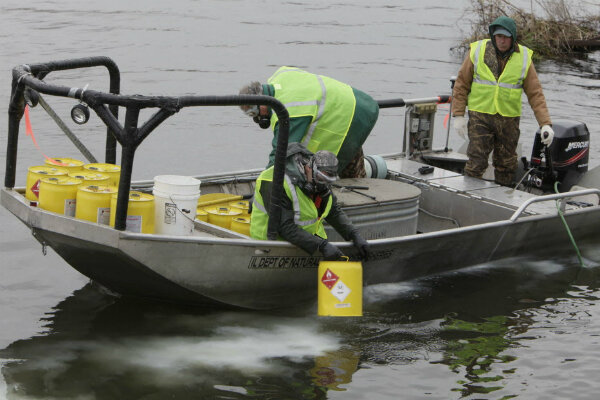 Why Asian carp are such a threatFive states failed to secure an injunction that would close shipping locks in an attempt to prevent Asian carp from entering the Great Lakes. What's so bad about Asian carp?聽
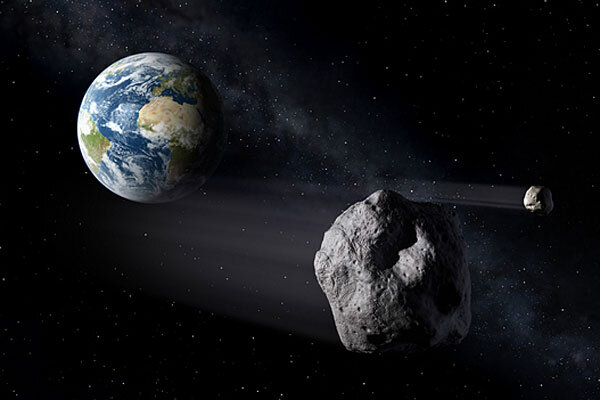 Humongous asteroid could strike Earth in 2040The 460-foot wide asteroid 2011 AG5 could be on a collision course with our planet.聽But the odds are very small, say scientists.聽
