


All Editorials
 Global ViewpointHow to survive in a tech-driven economyTechnological innovation has made the US economy more productive, but this new economy creates fewer jobs, and wages are suffering. Preparing workers for an era when productivity and employment are no longer linked will be the grand challenge of the next generation.
- Global ViewpointHow to survive in a tech-driven economyTechnological innovation has made the US economy more productive, but this new economy creates fewer jobs, and wages are suffering. Preparing workers for an era when productivity and employment are no longer linked will be the grand challenge of the next generation.
 OpinionEgypt and other Arab democracies will not survive without including more womenDespite their sacrifices during the Arab revolutions, Arab women are glaringly absent聽from the new parliaments, constitutional drafting committees, and cabinet appointments 鈥� especially in Egypt. But聽democracy, like revolution, is unsustainable in the Middle East without the inclusion of women.
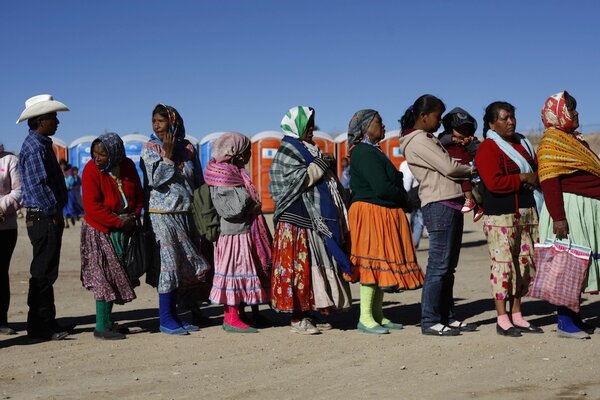 The Monitor's ViewShaping the world of 2030A US intelligence report to the president on global trends to the year 2030 is generally upbeat. But like any futuristic study, its foresight needs hindsight in the reading.
 OpinionBeyond the 'fiscal cliff,' America's kids need more 鈥� not less 鈥� government spendingAs the 'fiscal cliff' approaches, John Boehner and other lawmakers should beware of another kind of deficit 鈥� the growing opportunity deficit for low-income US children, already聽present by the time they enter kindergarten.聽Government can help with universal childcare and preschool.
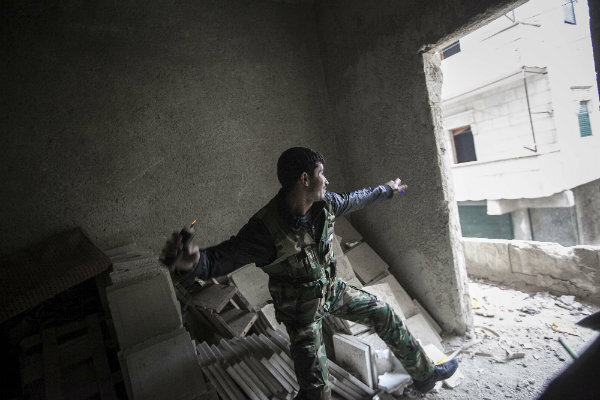 OpinionHow the US can prevent the use and spread of Syria's chemical weaponsThe conflict in Syria could become even more deadly if Bashar al-Assad uses or loses control of his sizeable arsenal of chemical weapons. The聽international community鈥檚 options to prevent these scenarios are limited, but they do provide a starting point.
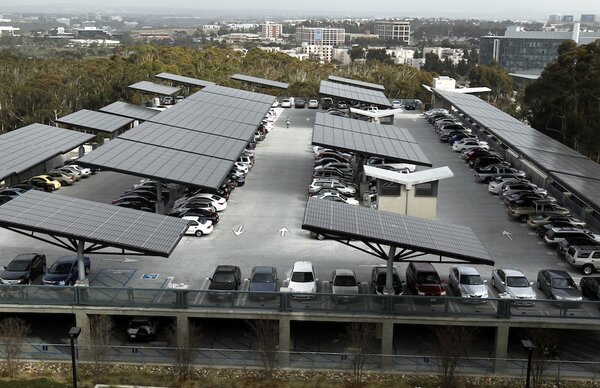 The Monitor's ViewWhy latest failure of global warming talks may be a successThe weak outcome of the climate change talks in Doha only add to the momentum toward solutions at the local level, where values on the common good are more easily shared.
 OpinionReturn on American humanitarian aid: They like usFrom Indonesia 鈥� the world's largest Muslim nation 鈥� to Pakistan, recipients of American humanitarian aid improve their opinions of the United States, especially when that aid is targeted at individuals, and not governments.
 Opinion'Fiscal cliff' or not, tax reform is easier said than doneAs part of any deal on the 'fiscal cliff,' Congress will likely take up comprehensive tax聽reform. That's a worthy goal, but it will involve more political and economic pain than most would like to admit.聽Every line in the tax code has its own constituency and rationale.
 The Monitor's ViewHow to avoid revenge killings in post-Assad SyriaThe end appears near for the Assad regime in Syria. The opposition and world powers must do more to prevent the kind of post-conflict revenge 鈥� mainly against Alawites 鈥� that could ricochet in the Middle East.
 OpinionHow to protect Americans from anti-terrorism data sharingAcross the United States, dozens of 'fusion centers' pool and share information in an effort to prevent another September 11. But these centers have not been effective anti-terrorism tools and have violated Americans' rights. Here's how they can be fixed.
 OpinionPlan B for raising debt ceiling: Obama should invoke the ConstitutionPresident Obama wisely wants to resolve the looming crises with the debt ceiling and the 'fiscal cliff ' now. If he can't strike a debt-ceiling deal, he has another option: Bring out the Constitution, whose 14th Amendment states that the 'validity' of US debt 'shall not be questioned.'
 The Monitor's ViewLook to Lincoln to solve 'fiscal cliff'As the Spielberg movie 'Lincoln' and many books about Abraham Lincoln reveal, solving difficult standoffs in Washington takes more than savvy politics and horse-trading. Lincoln had to first turn to deeper ideals that then helped him win allies.
 OpinionObama and Israel are walking away from two-state solution with PalestiniansBy refusing to support the Palestinian bid at the UN, President Obama has essentially endorsed a No State Solution between Israel and Palestine.聽Changing course is possible. A good place to start would be threatening to remove US aid to Israel, given its plans for more settlement building.
 The Monitor's ViewMaking the world flat-out against corruptionThe latest ranking of perceived corruption among nations doesn't show much change. But other evidence points to a grassroots rebellion against graft in hopes of a culture of honesty.
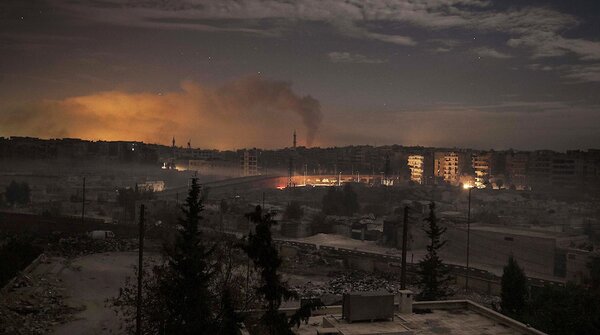 The Monitor's ViewAre Americans ready to deal with Syria's chemical weapons?On Monday, Obama strongly warned Syrian leader Bashar al-Assad not to use chemical weapons as rebels advance on Damascus. What is the national interest in threatening US action? Obama must sort out the moral purpose.
- OpinionFlawed graph weakens case against Iran nuclear programThe Associated Press admits that a graph purporting to show that Iran has run computer simulations for a nuclear weapon is scientifically flawed. This raises serious questions about the quality of other 'evidence' against Iran's nuclear program. Here's a way to proceed.
 OpinionICC membership may hurt Palestinians, Hamas more than IsraelMahmoud Abbas鈥檚 successful bid for Palestine at the UN takes Palestinians one step closer to joining the International Criminal Court, where some hope to prosecute Israel.聽But ICC membership may force Palestinians to take responsibility for their own conduct as well.
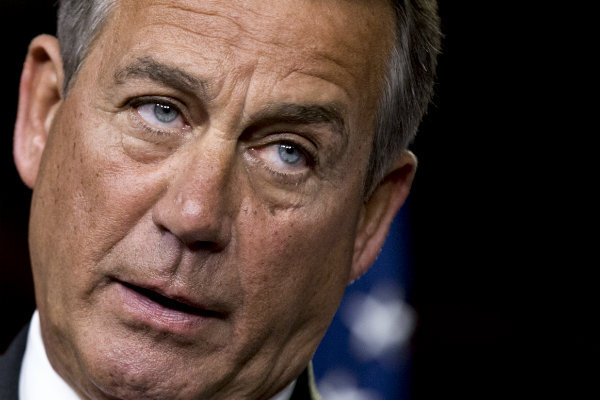 OpinionGOP should moderate social platform to win over fiscally conservative youthThough President Obama won the youth vote, John Boehner and fellow Republicans' message of fiscal responsibility could appeal to younger voters. The GOP needs to recognize that its platform on social issues drastically undercuts its potential fiscal-conservative appeal with my generation.
 OpinionThreat of chemical warfare in Syria means it's time for US, NATO no-fly zoneThe threat that Bashar al-Assad may use chemical weapons against opposition forces in Syria means it is time for President Obama and America's NATO allies to intervene and establish a no-fly zone. That's a far better option than directly arming the divided rebel forces.
