


All Editorials
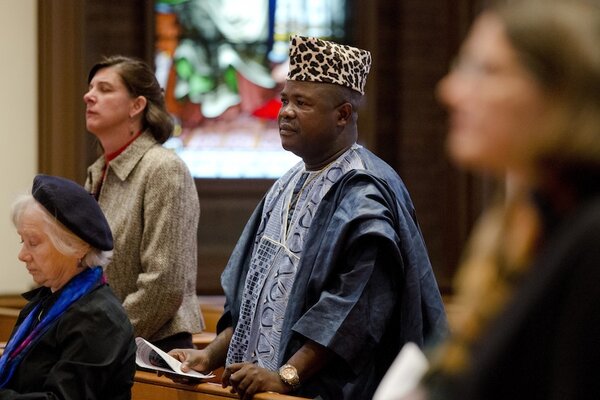 The Monitor's ViewIn Ebola disputes, keep focus on health workersA common theme that can help resolve Ebola disputes 鈥� such as issues over medical protocols and quarantines 鈥� is the desire to support healing professionals in West Africa.
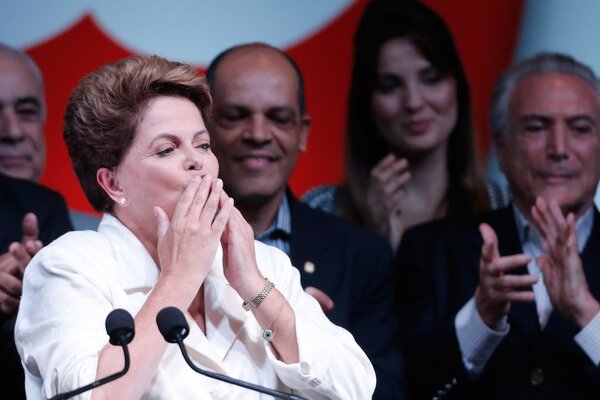 The Monitor's ViewBest path for post-election BrazilAfter a divisive campaign and President Rousseff's squeaker reelection victory, Brazil must follow Mexico's model and unite major parties behind a pact for reform.
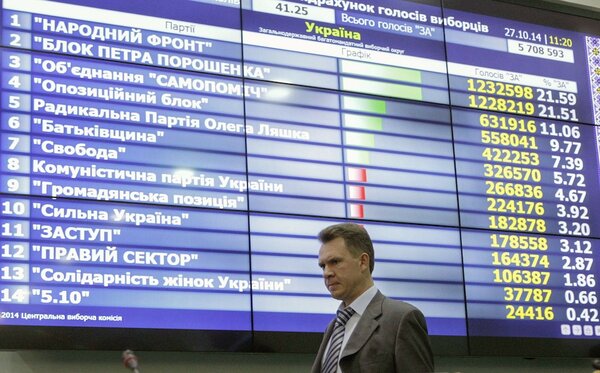 The Monitor's ViewElection helps Ukraine be 'European'Three pro-European parties gained a majority in Sunday's election for parliament. Now those parties must learn what the European Union still struggles with: unity in diversity.
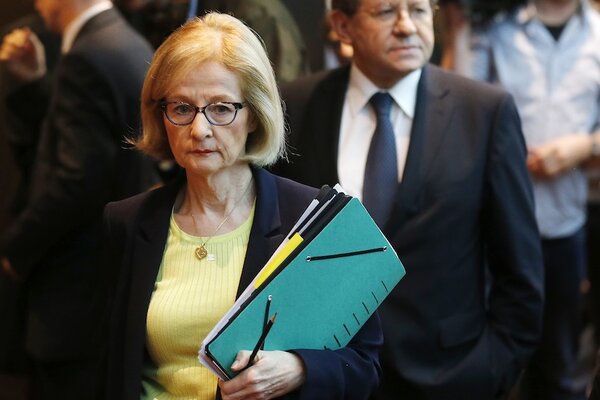 The Monitor's ViewEurope's leap toward honest, healthy banksOn Sunday, Europe's central bank released results of stress tests done on the largest banks, hoping to clear up their hidden debts and restore lending to entrepreneurs. More transparent banking will help keep the world's largest economy from stagnation.
 Global NewsstandMalala wins Nobel Prize, Crimea is putting pressure on Russian economy, government surveillance in South Korea, African Union forces, why Muslims don't need to apologize for extremistsThis week's round-up of commentaries covers Malala winning the Nobel Peace Prize, why the annexation of Crimea is hurting the Russian economy, the rise in government cyber surveillance in South Korea, African Union's new response force, and why Muslims shouldn't have to apologize for extremists.聽
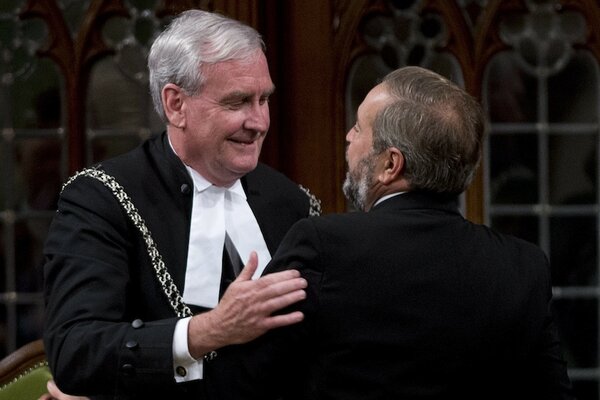 The Monitor's ViewLearning from Canada after Ottawa attackThe attack on Parliament by a Canadian convert to Islam brings a call to avoid this response: hatred. Islamic State thrives on hatred, either in the West or among Muslims.
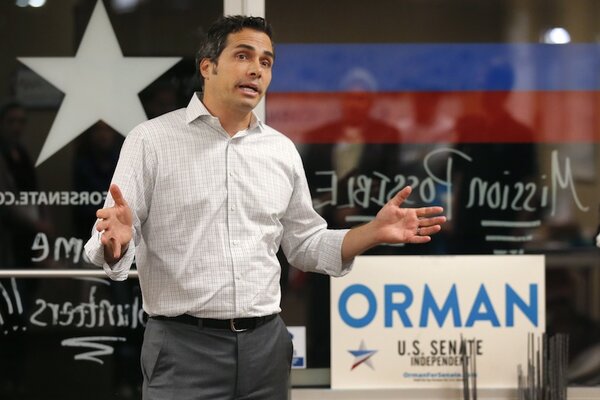 The Monitor's ViewFor 2014 election, the candidates to endorseEven as more voters become hard ideologues, the middle grows for those who want candidates who can make compromises. The politics of trench warfare needs to change.
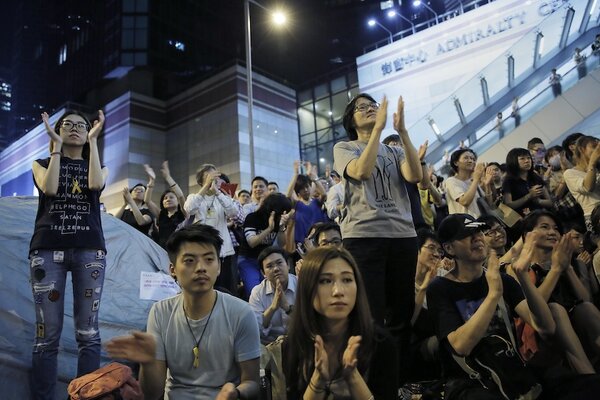 The Monitor's ViewIn Hong Kong, a global contest over models of governanceThe leader of Hong Kong admits that allowing open choice for election candidates would give too much power to the city's large population of poor people. The protests are aimed at challenging such paternalistic governance, a model China promotes to the world.
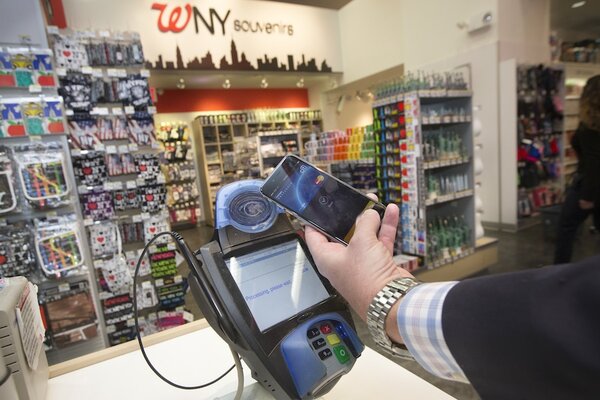 The Monitor's ViewWhy Apple Pay may help rebuild trust in US financeApple's launch of its mobile payment system for stores could crack open a new market, but also show how to retain and expand customer respect for the finance industry.
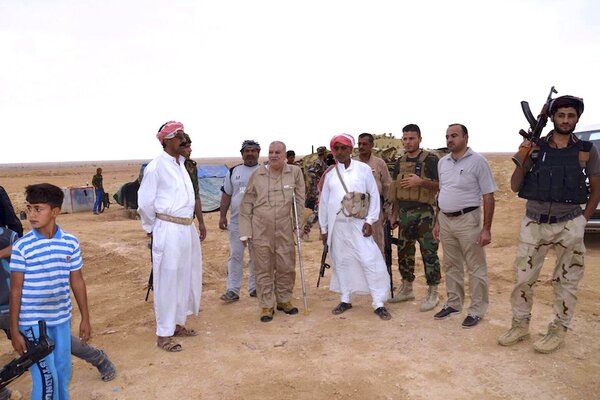 The Monitor's ViewObama's first victory in Iraq warUS pressure on the new Shiite-led Iraqi government results in a Sunni lawmaker becoming defense minister. Such democratic unity will help Iraqi troops defeat the Islamic State.聽
 Global NewsstandThe impact of student loans on Japan's economy, why Australia shouldn't ban burqas, the commercialization of motherhood in India, internet harassment in England, and why Canada must stand against Islamic StateThis week's round-up of commentaries covers the impact of student loans on Japan's economy, why Australians should stand against a ban on wearing burqas, the problems of being a surrogate mother in India, why Britain must stand against Internet trolls, and why Canada must join the fight against Islamic State.
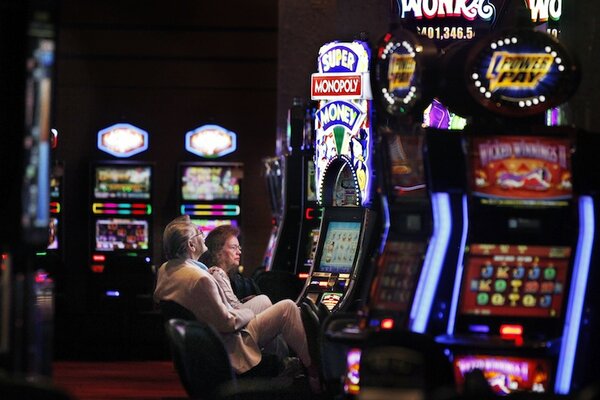 The Monitor's ViewCandy Crush in Atlantic City?New Jersey tries to lure young people hooked on digital video games of skill to wager on those games. Other states should ignore this desperate pursuit to tap games of merit as a way to revive an industry built on notions of chance.
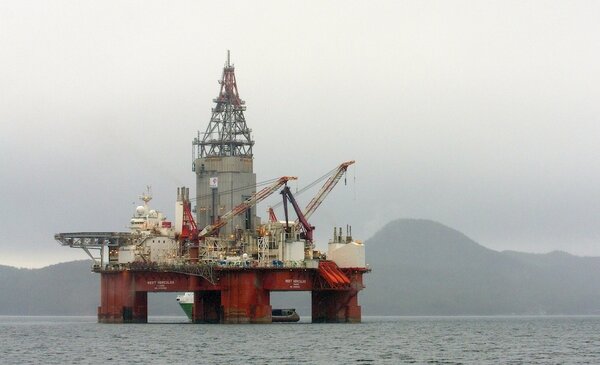 The Monitor's ViewAs oil prices fall, which leaders rise?Oil-abundant nations that invest their wealth wisely for future generations may not mind the big drop in oil prices. Countries with corrupt, authoritarian rulers may be exposed by the drop in revenue.
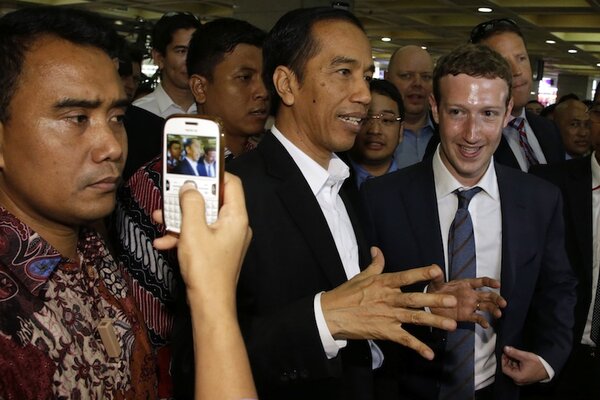 The Monitor's ViewOne Muslim state's peaceful power transferWhile many Middle East countries splinter into war, Indonesia marks a democratic triumph Oct. 20. Its second popularly elected president, Joko Widodo, takes power.
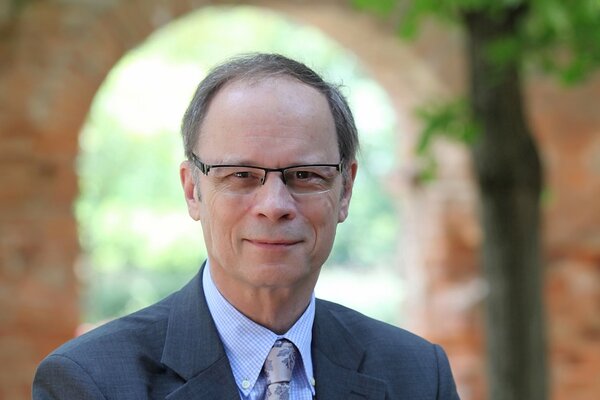 The Monitor's ViewWanted: New ways to lift a sluggish global economyThis year鈥檚 Nobel Prize for economics hints at the need for fresh ideas to spur growth. The winner, Jean Tirole, brings a deeper look at what motivates people to invest in their future.
 Global NewsstandProtests in Hong Kong, digital gap in Argentina's education, dangers of being a witness in Pakistan, and Liberia's reaction to US aiding in the fight against EbolaThis week's round-up of commentaries covers protests in Hong Kong, the digital gap in Argentina's education, dangers witnesses face in Pakistan, and Liberia's reaction to US aiding in the fight against Ebola.聽
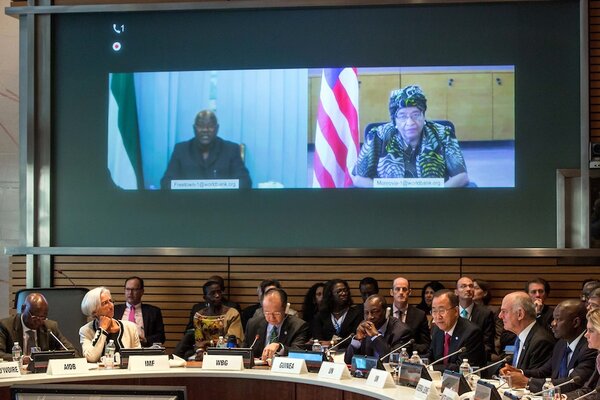 The Monitor's ViewPrepare for post-Ebola recovery in AfricaThe World Bank and IMF lead the way in helping African nations hit by Ebola to plan for an inevitable rebound. Such planning may help dispel current perceptions of Ebola as yet another drag on Africa that has grown more resilient.
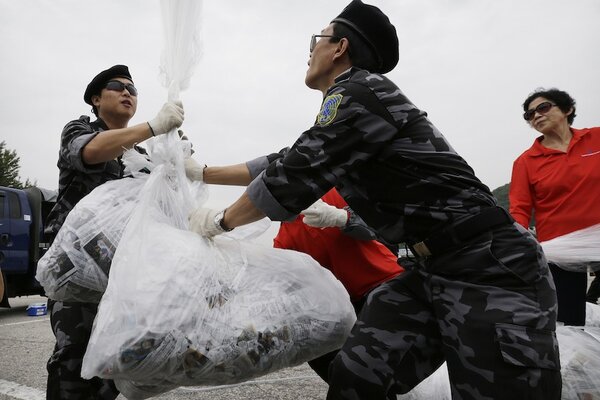 The Monitor's ViewNorth Korea's moment of truth about its gulagIn a first, a North Korean official confesses that the regime runs 'reeducation' labor camps. The admission hints at change and a possible rejection of Marxist notions about truth being subject only to the power relations of economic and social conditions.
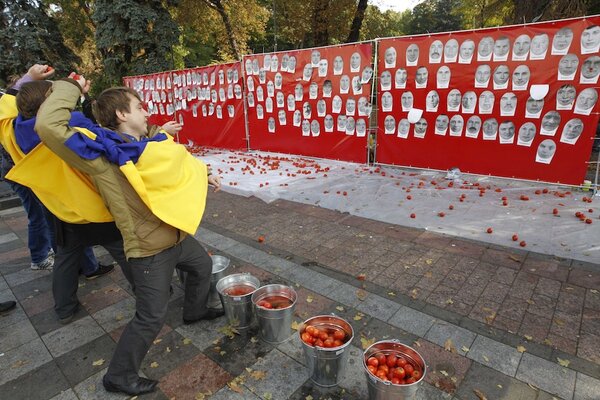 The Monitor's ViewUkraine's drive for clean governanceDespite an armed conflict, economic stagnation, and elections, Ukraine starts to erode endemic corruption, first by forcing officials to divulge personal assets. Honesty in governance may be a main defense against Russia.
 The Monitor's ViewA revolution in giving 鈥� and trustThe less-well-off in America are giving more of their income than the wealthy, perhaps because it is easier to give through digital networks. But ordinary folks may also be bonding through charity as trust in government and business declines.
