


All Editorials
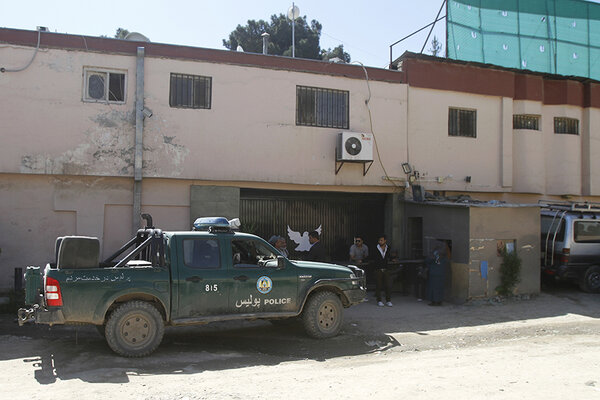 Global NewsstandSupporting peace in Afghanistan, better checks on drones, US cycle of poverty and racism, helping boys in South Africa, repairing IraqA round-up of global commentary for the May 18, 2015 weekly magazine.
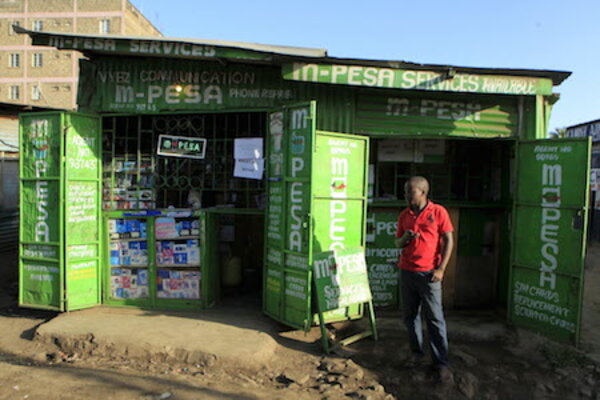 The Monitor's ViewReimagining Africa as innovatorIn preparing a visit to Africa, President Obama hopes to bring US investment in technology. Yet he may find Africa already on its way to indigenous innovation.
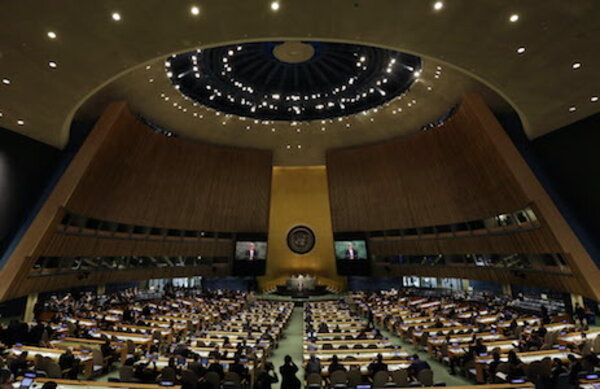 The Monitor's ViewKeeping critical mass against nuclear weaponsAlmost every country is at a conference to affirm a central plank of world order, the 1970 Nuclear Non-Proliferation Treaty. Even with modest progress to implement the pact, a moral imperative against nuclear weapons is maintained.聽
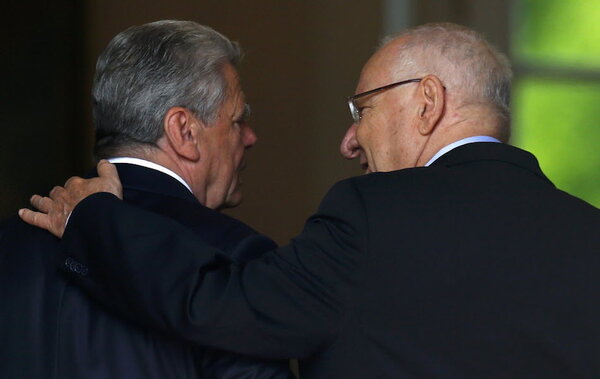 The Monitor's ViewFifty years on, practical lessons from German-Israeli friendshipOn the 50th anniversary of their diplomatic ties, Israel and Germany offer a model for others in reconciling after a dismal past like the Holocaust.
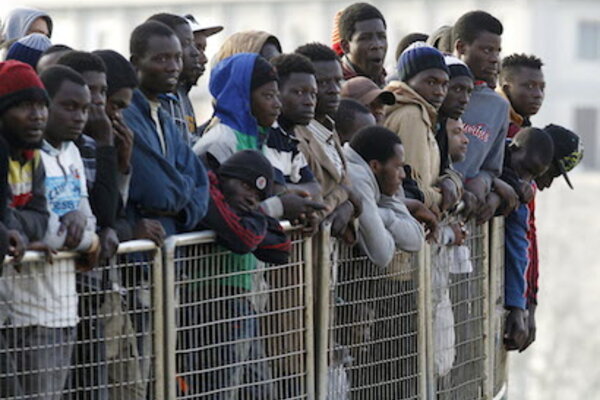 The Monitor's ViewBearing and sharing the burden of asylum seekersOnly a few countries in the European Union accept the bulk of asylum seekers who make it across the Mediterranean. Sharing the burden would help alleviate the current migrant crisis.
 The Monitor's ViewA British way for countries in divorceLast week鈥檚 UK election was not only a win for Conservatives but for the gentler, more persuasive approach by the Scottish Nationalist Party, which won big in Scotland. Now Britain must continue its peaceful model of settling disputes over disunion.
 Global NewsstandStanding with Nepal, UN's failure in Syria, balancing freedom and security, Korean relations, inequality in South AfricaA round-up of global commentary for the May 11 Monitor weekly magazine.
 The Monitor's ViewWhy the Yemen war may be differentIn a step toward moral law in Middle Eastern conflicts, the US persuades Saudi Arabia to propose a 鈥榟umanitarian pause鈥� in Yemen鈥檚 war to allow aid to reach civilians. This may set a pattern for the region鈥檚 wars.
 The Monitor's ViewA women's peace walk across the KoreasA group of international women, including Nobel Peace Prize winners, plan to walk between North and South Korea in hopes the two nations will sign a peace pact. Their efforts reflect a rise in women as conflict mediators.
 The Monitor's ViewBritain's identity-forming electionTwo lesser parties in the May 7 election are doing well enough to challenge Britain鈥檚 unity and its bonds with Europe. Voters must remember how peace and security were achieved by a comity of common values.聽
 The Monitor's ViewAfghanistan's trial against fearUnusual public concern over the mob murder of a woman has forced a televised trial that includes police among the accused. Afghan society may be at a turning point for women鈥檚 rights and rule of law.
 The Monitor's ViewOrdering up stability for the MideastAs President Obama works with both theocratic Iran and Arab monarchies, he must help the Middle East agree to a moral order based on respect for the dignity of the nation state.
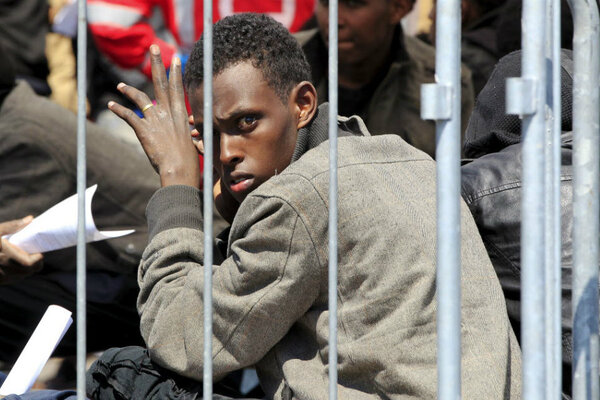 Global NewsstandAdressing the global refugee crisis, Kenya's role in Somalia, negotiating with North Korea, Afghanistan and Pakistan unite against terrorA round-up of global commentary for the May 4, 2015 weekly magazine.
 The Monitor's ViewExecutive pay, company performance: Always a link?A proposed federal rule would require companies to compare executive pay to their bottom line. While this transparency might help shareholders, would it track intrinsic motives of those running a company?
 The Monitor's ViewClean hands for elected judgesA Supreme Court ruling upholds a ban on judicial candidate asking directly for campaign donations in state elections. While such a ban restricts free speech, the constitutional need is for judges to remain principled and impartial.
 The Monitor's ViewFor Baltimore post-riots, a role for clergyDuring Monday's riots in Baltimore, more than a dozen clergy members helped end the violence. Police have only begun to work with faith-based institutions, which can also help reform the police.
 The Monitor's ViewSocial media's big lift after Nepal earthquakeInstant communication through Google, Twitter, and Facebook allowed people in Nepal to聽help survivors of the earthquake in ways government could not. The Digital Age is turning victimhood into instant neighborhoods.
 The Monitor's ViewTake fearmongering out of US politicsAs presidential campaigns for the 2016 election start to demonize candidates, a study finds a sharp rise in American voters disliking those in opposing camps. This coarsening of society can end if politics stop relying on 'negative partisanship.'
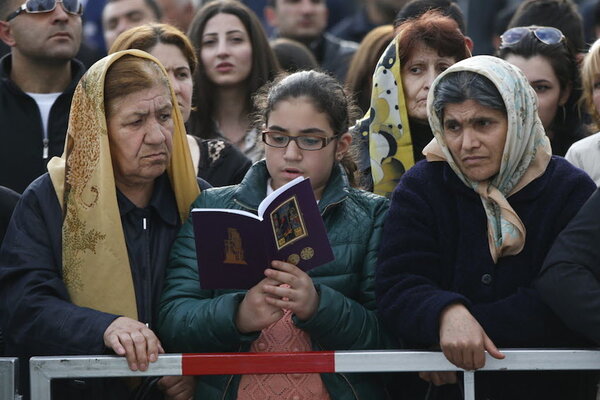 The Monitor's ViewArmenia's best use of a genocide's anniversaryThe dominant church in Armenia has used the 100th anniversary of the 1915-23 genocide to honor the victims in hopes this act of love will liberate Armenians from hatred toward the Turks. The canonization is one sign of both sides inching toward reconciliation.
 The Monitor's ViewA Moroccan fix to Europe's migrant crisisOnce harshly criticized for its mistreatment of African migrants, Morocco has changed its view and now lays down a well-regulated welcome mat. If Europe did more of the same, fewer migrants would risk dangerous sea journeys with smugglers.
