


All The Monitor's View
 Pulling kids from war鈥檚 rubbleGlobal reaction to children in conflicts 鈥� as soldiers, refugees, or among the injured 鈥� has improved as more nations presume innocence for the youngest and most vulnerable.
 A new approach to ending terrorismIn a TV speech, Morocco鈥檚 king appeals to the millions of Moroccans living in the West to counter the false arguments of Islamic State that might appeal to disaffected young Muslims and lead them to violent acts.
 Fishing for peace in Asian watersA court ruling against China鈥檚 claims on islands has helped fuel military tensions in Asia. To get off the path to conflict, the region must pursue its common interests, starting with fisheries.
 Kids today, what do they know? Turns out, a lotFewer young people are engaging in risky behavior than only a quarter century ago. Why this moral shift in the next generation?
 Who says voters are 鈥榩olarized鈥�?A study of voters who read news articles about political polarization finds they tend to soften their views. Democracy relies less on division than a respect among fellow citizens.
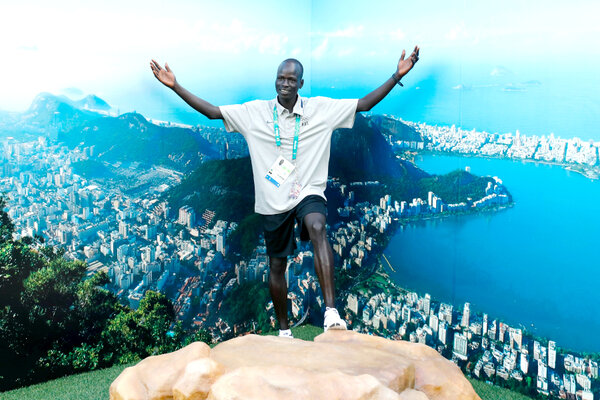 Refugee team adds luster to the Olympic idealTen athletes forced to flee their homelands have sent an inspiring message to the world
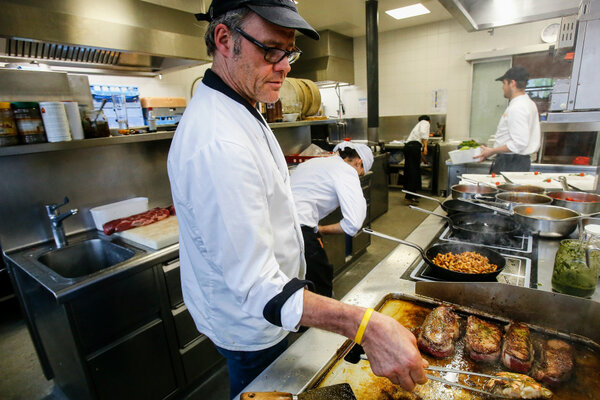 Feeding and clothing ourselves wiselyHuge amounts of water, chemicals, and fuel are used to produce food and clothing. Finding new ways to make better use of what has already been grown or manufactured conserves these precious resources.
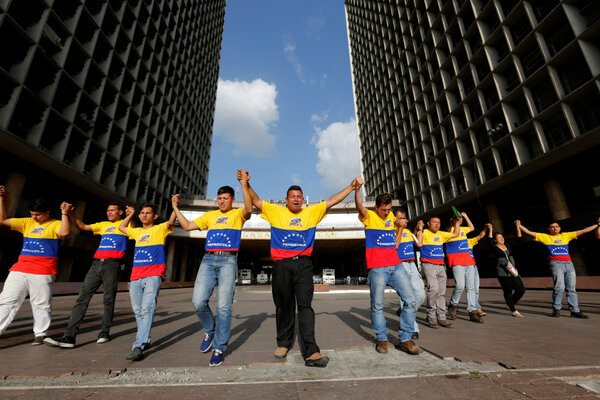 Stepping up against religious intoleranceA State Department report says governments are tightening laws on religious observance. But it also notes encouraging cases where members of one religion have protected those of another.
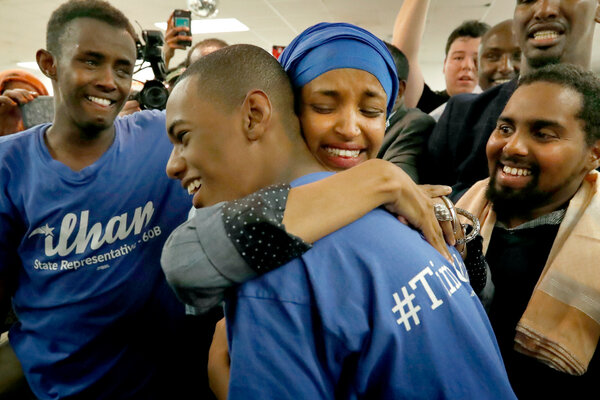 Muslim-American women step forwardA rising Minnesota politician and a fencer at the Rio Olympics are changing public perceptions.
 The National Parks at 100Americans agree that these special places hold immense value. But how to pay to preserve them remains a challenge.
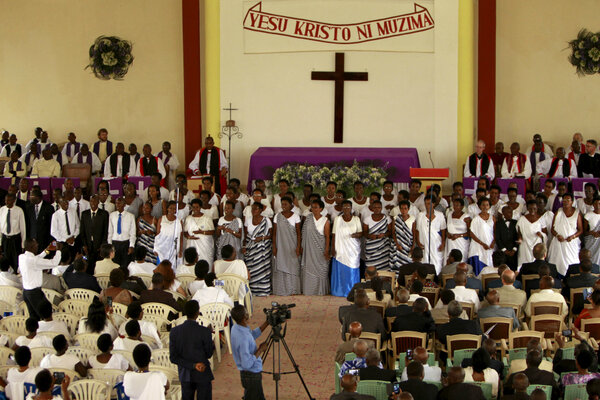 Music can soothe a sultry summerJoining others in song or dance may lift one鈥檚 sense of well-being, a recent study suggests. So sing (or dance) on.
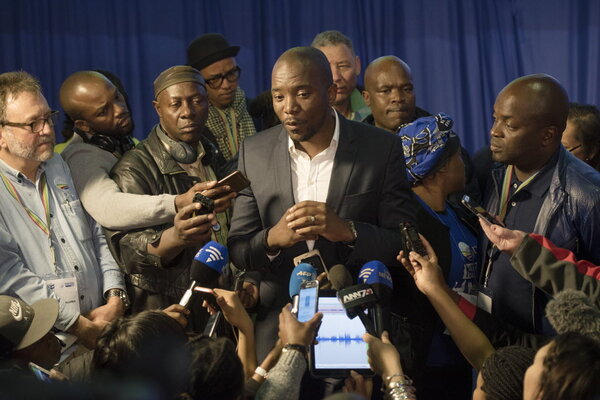 For Africa, a lesson about identity politicsVoters in South Africa gave the ruling African National Congress a sharp rebuke for presuming it can be reelected as the natural leader of the black majority. The ANC must return to Nelson Mandela鈥檚 goal of a nonracial society with equal opportunities.
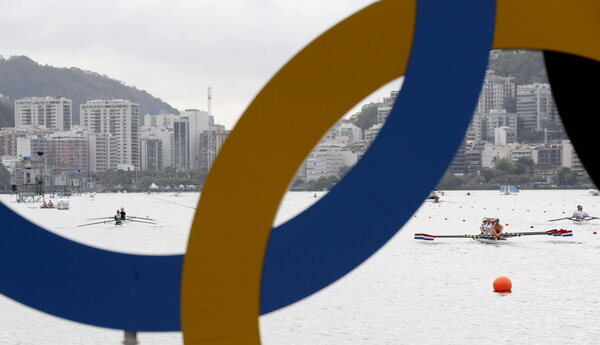 What鈥檚 not a game in Rio OlympicsAs host to the 2016 Games, Brazil hopes to both rebrand itself abroad and improve its own society. The Games remain a force for good, and each Olympics leaves its own legacy.
 A leap for Japan鈥檚 women 鈥� and its economyTokyo elected its first female governor, another sign of Japan鈥檚 slow progress to revive the economy by encouraging more women in the workplace.
 Alabama can lead by rejecting a lotteryAs one of the few states without a lottery, Alabama may soon vote to start one as a revenue fix for a fiscal fiasco. Yet national data show lotteries are a tax on the poor. States can鈥檛 rely on faith in luck when they must invest in talent.
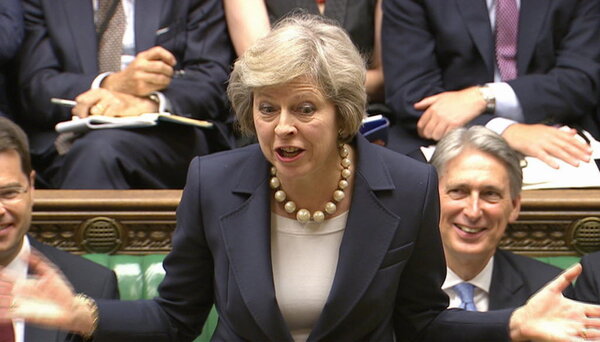 Britain鈥檚 answer to angry votersAs in the US election campaign, British voters showed their dislike of globalization in opting out of the European Union. Now a new prime minister seeks to restore trust in globalization鈥檚 prime agents: corporations.
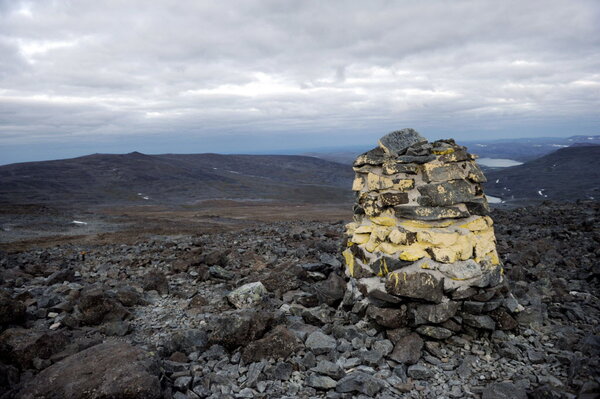 A Norway gift that would move mountainsTo honor Finland鈥檚 independence anniversary, Norway may give it a mountain peak along their border. The gift, while a small gesture, symbolizes a kind of peace that may keep land-grabbing bully nations at bay.聽
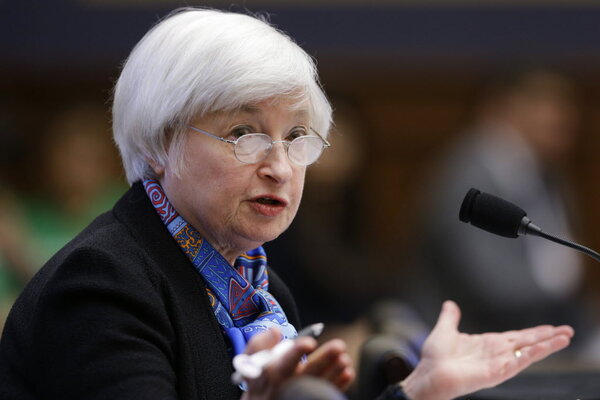 The Fed鈥檚 search for breakout growthAmerica鈥檚 central bank, like other big financial institutions, seeks fresh ideas to end the 鈥榥ew normal鈥� of mediocre economic growth. Breaking up old models is a good first step.
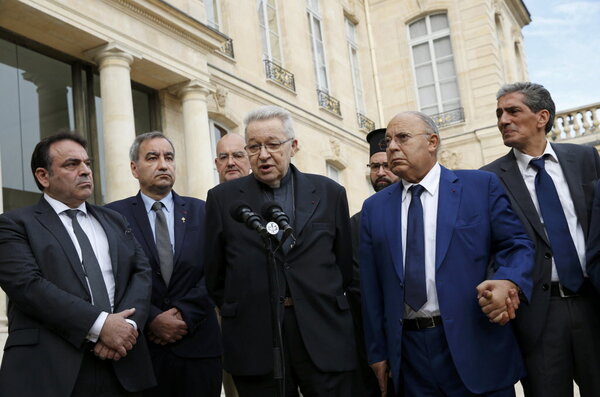 Islamic State鈥檚 failing 鈥榳ar of religion鈥�After Islamic State claimed credit for the killing of a French Catholic priest, leaders of major faiths gathered to counter this attempt to incite Muslims and 海角大神s against each other. Peace is the norm between religions.
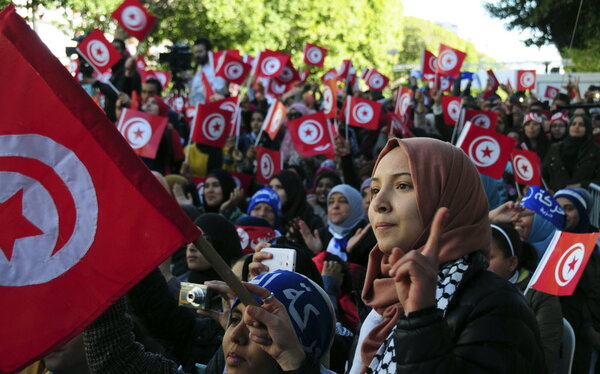 Mercy for the corrupt who come clean?The US and Tunisia are each testing whether leniency toward individuals or businesses that are open about their corruption might lead to less corruption. Confession can be a shorter path to reconciliation.
