President Donald Trump鈥檚 election strategy includes courting 海角大神 conservatives who helped vote him into office. But how durable will their support be during a year of turbulent change?
Our name is about honesty. The Monitor is owned by The First Church of Christ, Scientist, and we鈥檝e always been transparent about that.
The church publishes the Monitor because it sees good journalism as vital to progress in the world. Since 1908, we鈥檝e aimed 鈥渢o injure no man, but to bless all mankind,鈥 as our founder, Mary Baker Eddy, put it.
Here, you鈥檒l find award-winning journalism not driven by commercial influences 鈥 a news organization that takes seriously its mission to uplift the world by seeking solutions and finding reasons for credible hope.
Explore values journalism About usAlready a subscriber? Log in
Already have a subscription? Activate it
Join the Monitor community.
Subscribe
Stephen Humphries
During the pandemic, many musicians have enrolled in Bandcamp. No, I don鈥檛 mean a place where young music geeks spend summers scaring woodland creatures with squawking clarinets and burping tubas. Bandcamp is a burgeoning online music company where artists stream music and sell CDs, vinyl, and merchandise directly to fans.
As I documented in a recent story, professional musicians have struggled to make a living since the quarantine quashed most live shows. Bandcamp has stepped up to help. Since March it has on four occasions. Artists and labels made a cumulative $20 million over those days. Starting tomorrow, Bandcamp will waive its revenue share on the first Friday of each month through the rest of 2020.
鈥淓very time Bandcamp announces the waiving of fees, my inbox gets a bumper crop of PayPal notices,鈥 singer-songwriter says via email. 鈥淓very little bit helps ... especially for the little guys.鈥
Bandcamp has long been renowned for supporting racial and social justice organizations. And it has facilitated ways for artists to easily donate to their favorite charities and causes.
鈥淭he platform provided a way for me to offer up some fresh side project recordings as added incentive for people to give to The Movement For Black Lives,鈥 enthuses Ms. Hoop.
She adds, 鈥淭his direct support and honest pay fortifies the sense of give-and-take within the artist/platform relationship.鈥
Already a subscriber? Log in
Monitor journalism changes lives because we open that too-small box that most people think they live in. We believe news can and should expand a sense of identity and possibility beyond narrow conventional expectations.
Our work isn't possible without your support.
And why we wrote them
( 14 min. read )
President Donald Trump鈥檚 election strategy includes courting 海角大神 conservatives who helped vote him into office. But how durable will their support be during a year of turbulent change?
( 6 min. read )
As the shock waves of Beirut鈥檚 deadly explosion reverberate through an already beleaguered Lebanon, some believe that resistance to political reform within the country may soon crumble under domestic and international pressure.聽
( 3 min. read )
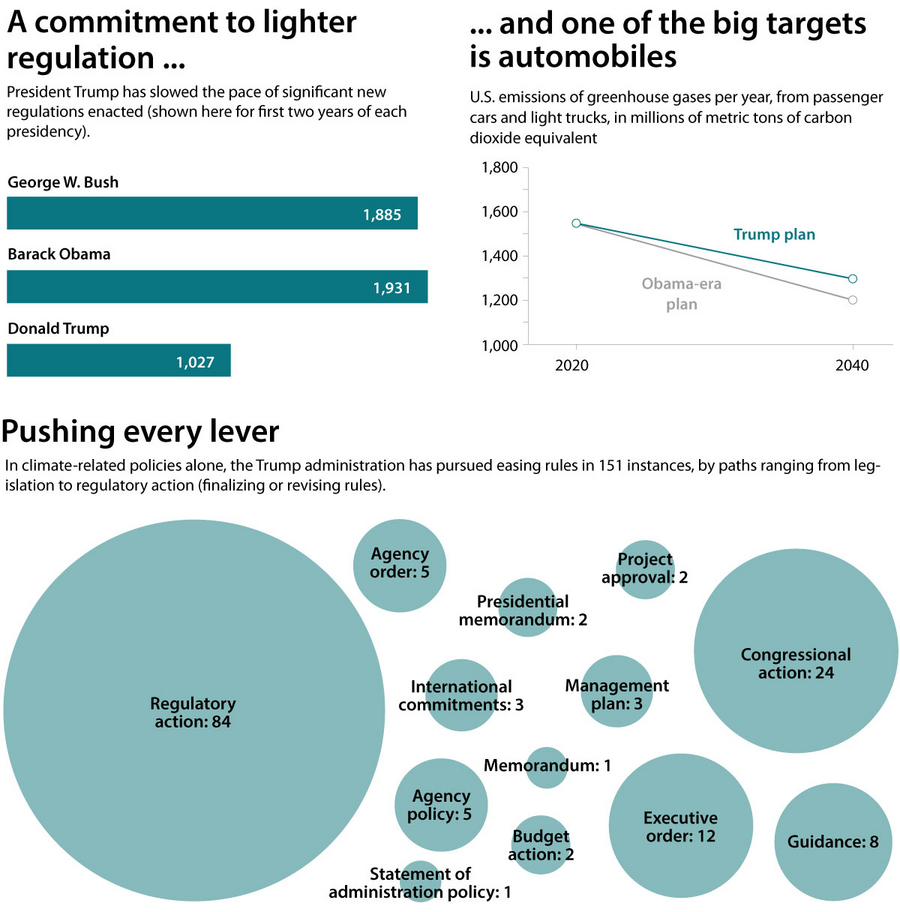
The trend of government regulation is perennially one of rising volume. The Trump administration is trying mightily to bend that curve downward 鈥 resulting in clashes over economic liberty and protecting Earth鈥檚 climate.
Chart 1: Keith Belton and John Graham of Indiana University (published by Cato Institute), Chart 2: National Highway Traffic Safety Administration (with Environmental Protection Agency and Department of Energy), Chart 3: Columbia University Law School鈥檚 Sabin Center deregulation tracker
( 6 min. read )
Normally at this time of year, major European cities would be bustling with visitors taking selfies. The implosion of tourism has hit hard. Some people are wondering how to make local economies more durable and less dependent upon sightseers.
( 4 min. read )
When I grew up in South Africa, I read comics from France and Belgium such as 鈥淎sterix鈥 and 鈥淭intin.鈥 Their adventures set in Egypt and the Congo depicted Africa in a dim light. Now, African cartoonists are telling stories that offer vibrant views of the continent.聽
( 2 min. read )
Most of Lebanon鈥檚 6 million citizens were not directly harmed by Tuesday鈥檚 horrific blast in the capital, Beirut. Yet many responded as if they were. The causes for the disaster are so deep in society and government 鈥 a culture of corruption, negligence, and militarized sectarianism 鈥 that thousands of Lebanese rushed to aid the victims, clean the streets, and care for the nearly 300,000 homeless people. Their outpouring of compassion was a way to start a clamor to hold officials to account and also reform a broken democracy.
Nations often go into soul-searching mode after a large and preventable tragedy. The Soviet Union collapsed in part because of rising public mistrust after the Chernobyl nuclear accident. South Korea entered a period of reform after a 2014 ferry disaster killed 302 people, including 250 students. In Mexico, earthquakes in 1985 and in 2017 helped expose widespread corruption and led to major advances in democracy. In Romania, a tragic nightclub fire in 2015 led to anti-corruption reform.
In Lebanon, people already do not trust the official inquiry into why tons of an explosive chemical were left in a port warehouse for six years. Many are calling for an international investigation. French President Emmanuel Macron visited Beirut Thursday and said he delivered 鈥渉ome truths鈥 to the country鈥檚 leaders.
The age of smartphones and social media may have altered how people view disasters. Information and images about an incident flow more widely and quickly. A consensus on responsibility and reform is easier to achieve. This is why China鈥檚 autocratic leaders so quickly suppressed information about the origins of the coronavirus in Wuhan and the early mistakes in countering it.
Perhaps a good example of modern reactions to mass tragedy was the 2013 collapse of an eight-story building in Bangladesh that killed more than 1,000. The international exposure of shoddy construction led to unusually swift reforms in safety standards.
The world is learning how to hold leaders to account and to demand basic reforms. In a study by law professor Denis Binder of Chapman University, criminal prosecutions after non-terrorist disasters increased by 317% in the first 16 years of this century compared with similar prosecutions for all of the 20th century. His study also found South Korea to be the most proactive in reforming itself after major incidents, such as the ferry sinking as well as collapses of bridges and buildings.
He says humanity has entered a 鈥渘ew culture of vigorous enforcement.鈥 Is Lebanon now adopting this culture, one that rests on a foundation of equality, transparency, and freedom? If the quick embrace of the blast鈥檚 victims by the Lebanese is any sign, the country is on a path of reform.
Each weekday, the Monitor includes one clearly labeled religious article offering spiritual insight on contemporary issues, including the news. The publication 鈥 in its various forms 鈥 is produced for anyone who cares about the progress of the human endeavor around the world and seeks news reported with compassion, intelligence, and an essentially constructive lens. For many, that caring has religious roots. For many, it does not. The Monitor has always embraced both audiences. The Monitor is owned by a church 鈥 The First Church of Christ, Scientist, in Boston 鈥 whose founder was concerned with both the state of the world and the quality of available news.
( 3 min. read )
What we say matters. And when we let God, good, motivate the way we express ourselves, this inspires confidence and healing, rather than fear or hostility.
Thanks for reading today鈥檚 package of stories. If you鈥檝e been missing the postponed Olympic Games, then come back tomorrow. We鈥檝e created a video of the international sporting event鈥檚 most inspiring moments from years past.