


All In a Word
 Spring flowers by any other name ...Flower names are etymologically fascinating. Did you know that daffodils and the Greek myth of Narcissus are connected?聽
 If it weren鈥檛 for the Romans, we鈥檇 miss springSpring itself wasn鈥檛 always called 鈥渟pring.鈥� In fact, the earliest inhabitants of Britain didn鈥檛 recognize this season.
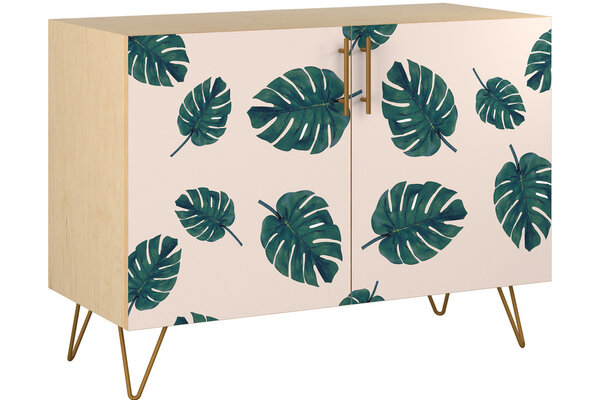 Whatnots, commodes, and credenzasI never got a whatnot growing up, even though I always wanted one. But what exactly is a whatnot?聽This week I decided to find out once and for all.
 Status words reflect changing timesTerms that at first simply denote status come to acquire moral connotations 鈥� low-status聽words gain negative meanings and high-status words pick up positive ones.
 Counting higher than fingers and toesLinguists speculate that the base-10 number system developed independently around the world because it was inspired by the most obvious tools we have to count with 鈥� our fingers.
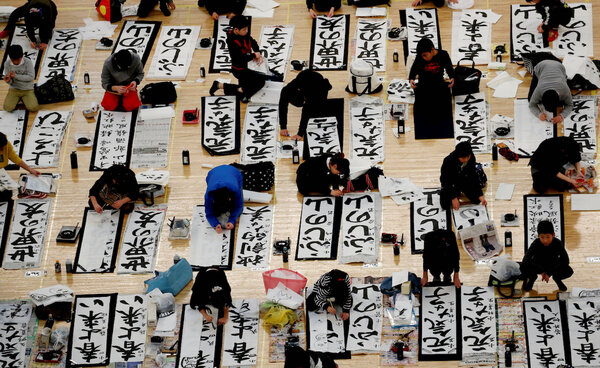 Learning math is easier in some languagesI have been struck by how precisely Japanese encodes the base-10 number system used by most cultures around the world.
 Nonce words, coined for the occasionSocial media commentary was focused on Amazon founder Jeff Bezos's use of聽complexifier, which came up when he explained, 鈥淢y ownership of the Washington Post is a complexifier for me.鈥� The question echoed through cyberspace: 鈥淚s complexifier even a word?鈥澛�
 What the mall has in common with chain mailWhat does modern suburban shopping have to do with medieval armor? A lot, at least etymologically speaking.
 Migrating letters and other curiositiesRebracketing occurs when an utterance is broken down and reassembled along the wrong lines, and聽has produced a number of English words, such as 鈥渕all.鈥�
 Stripping down the origins of 鈥榥aked鈥�Naked聽itself is a very old word, deriving from a common Germanic form even before Old English evolved into a separate language.聽
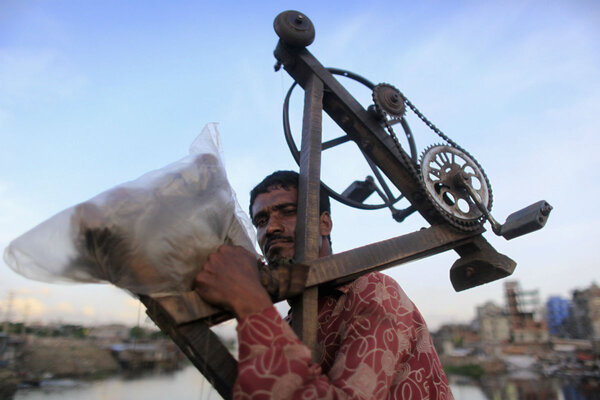 鈥楬ome in on鈥� or 鈥榟one in on鈥�?These phrases mean the same thing. Are they both correct, or are the newspapers getting it wrong about half the time?
 Catchy product names that stick in memoryThere鈥檚 a whole industry that focuses on naming things in ways that will set up positive associations for consumers.
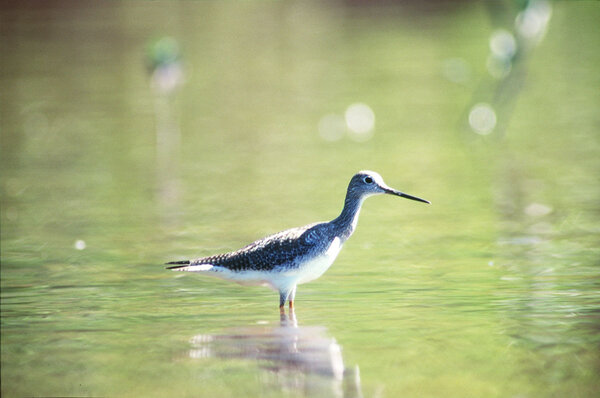 Hunting 鈥榮nipe鈥� in the English lexiconThough somewhat undistinguished as a bird, snipe has developed a surprisingly diverse set of meanings as an English word.
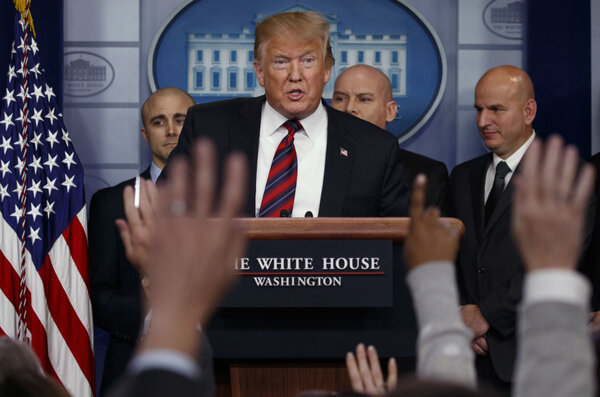 Tracking down the origins of 鈥榳itch hunt鈥�I was hearing 鈥渨itch hunt鈥� so often that a few weeks ago I experienced semantic satiation, in which repetition causes a phrase to lose meaning and be perceived as nothing but empty sounds.
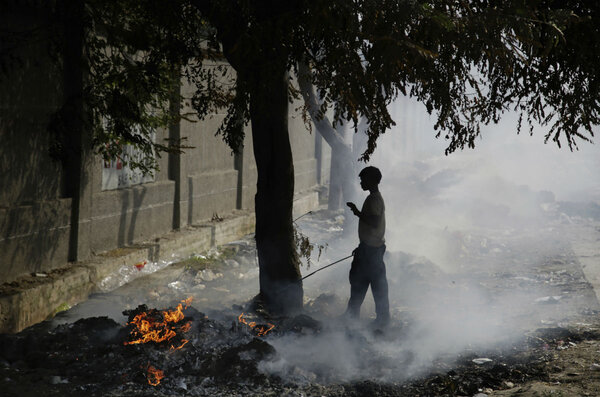 And the word of the year is ...Word of the Year 2018 selections provide a glimpse into the preoccupations of English-speakers.
 鈥楳erry鈥� versus 鈥楬appy鈥� ChristmasWhy is it overwhelmingly 鈥淢erry Christmas鈥� in America, but 鈥淗appy Christmas鈥� for many British people?
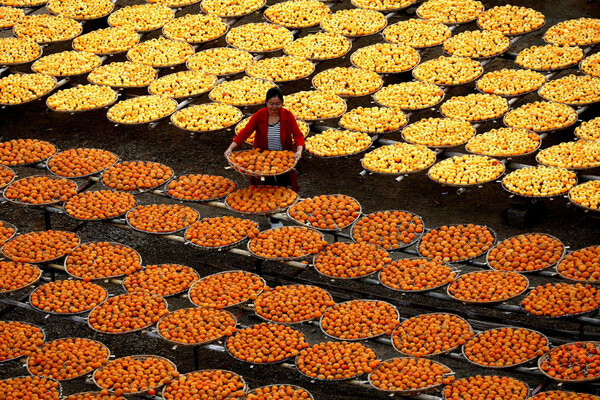 A Renaissance fruit has its climacteric momentWhile researching medlars I discovered that there鈥檚 a wonderful old word, dating back to Shakespeare as well, that鈥檚 still employed by botanists to categorize fruit: climacteric.聽
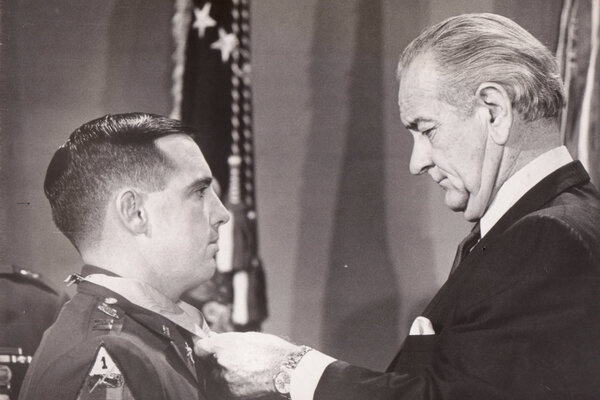 Where to stress words in pronunciationStress isn鈥檛 only important for proper pronunciation 鈥� sometimes it actually distinguishes the meaning of words.
 Studying the changes in how we speakA look at the achievements of linguist William Labov, who is a pioneer in the study of the sociocultural aspects of language.
 Oh, the shark has such teeth, dearWhatever the source of the word shark, it was contact with the Americas that brought the category to wide awareness in England.
